Understanding the Key Elements of Sustainable Travel
Exploring the Meaning Behind Sustainable Travel

Sustainable travel embodies a tourism approach that aims to minimise negative impacts on the environment and local cultures while maximising economic advantages for host communities. This philosophy urges travellers to make well-informed decisions—from opting for destinations that prioritise sustainability to actively engaging with local ecosystems and cultures in a respectful manner. By embracing sustainable practices, travellers can safeguard natural resources, bolster local economies, and foster positive cultural interactions. The rising consciousness surrounding environmental challenges has prompted a growing number of individuals to adopt this vital concept, recognising the critical importance of protecting our planet for future generations.
A new wave of travellers increasingly seeks experiences that foster profound connections with nature and local communities. This extends to a wide array of activities, from choosing eco-friendly accommodations to collaborating with local artisans or getting involved in conservation initiatives. Sustainable travel is not merely a transient trend but rather a comprehensive movement towards responsible tourism that balances enjoyment with environmental protection.
- Conscious travel choices
- Support for local economies
- Positive cultural exchanges
- Preservation of natural resources
- Engagement in conservation projects
Core Principles That Shape Sustainable Travel
The foundational principles of sustainable travel concentrate on practices specifically designed to reduce environmental impact while enhancing the overall experience for both travellers and local communities. At its core, conservation is central to sustainable travel, highlighting the necessity to protect natural resources and biodiversity. Travellers should favour destinations that actively participate in conservation efforts, alleviating pressure on local ecosystems and promoting sustainability.
Community engagement stands out as another essential principle within sustainable travel. This concept encourages travellers to forge meaningful connections with local cultures, delve into their customs, and support local enterprises. By engaging with communities, travellers enrich their experiences while ensuring that tourism revenue remains within the local economy, empowering residents and encouraging sustainable practices.
- Conservation of natural resources
- Engagement with local cultures
- Support for local businesses
- Responsible tourism practices
- Minimisation of waste
Why Is It Crucial to Embrace Sustainable Travel?
The significance of sustainable travel is vast and multi-dimensional. As tourism contributes to environmental degradation, cultural erosion, and economic inequality, comprehending the impacts of travel becomes increasingly vital. Sustainable travel addresses these pressing challenges by promoting practices that benefit the environment, local communities, and individuals alike. By committing to sustainable travel, individuals actively contribute to preserving natural landscapes, protecting wildlife, and maintaining cultural integrity.
Moreover, sustainable travel serves as a powerful educational tool, enlightening travellers about the consequences of their choices. When individuals become aware of the repercussions of their actions, they are more inclined to opt for eco-friendly alternatives. Such decisions not only benefit the environment but also enrich their travel experiences. Travellers who engage in sustainable practices often develop deeper connections with the destinations they visit and the people they meet.
- Preservation of natural landscapes
- Protection of wildlife
- Fostering cultural integrity
- Enhancement of travel experiences
- Encouragement of eco-friendly alternatives
What Expert Insights Are Available on Sustainable Travel in San Miguel de Allende?
What Are the Real-World Examples of Eco-Friendly Initiatives?
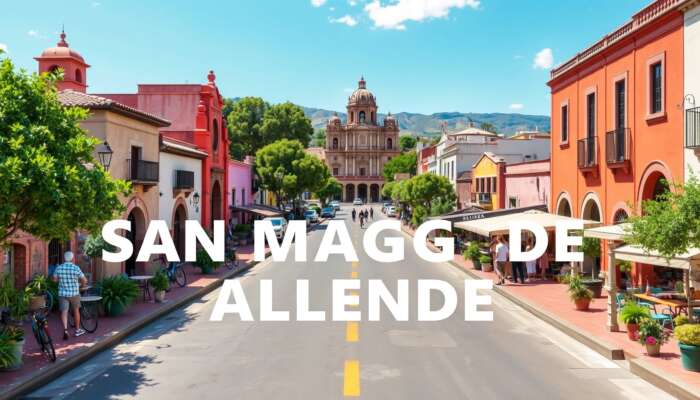
San Miguel de Allende, designated as a UNESCO World Heritage site, exemplifies sustainable travel in Mexico. The local government, alongside various organisations, has initiated a multitude of eco-friendly projects aimed at preserving the city’s rich cultural heritage while promoting sustainable tourism. A prominent initiative is the San Miguel de Allende Sustainable Tourism Initiative, which underscores waste reduction, water conservation, and the promotion of local businesses.
Another notable programme is the community-driven recycling initiative, which encourages both locals and visitors to separate waste and reduce litter in public areas. This effort not only improves the town’s aesthetic appeal but also educates residents and tourists about the essential role of recycling in maintaining a clean environment. Additionally, local businesses, including organic farms and artisan workshops, engage in sustainable practices by sourcing materials locally and minimising waste in their operations.
| Initiative | Description | Impact |
|---|---|---|
| San Miguel de Allende Sustainable Tourism Initiative | Focuses on waste reduction, water conservation, and promoting local businesses. | Enhances sustainability in tourism. |
| Community Recycling Program | Encourages waste separation and litter reduction. | Improves local environment and educates the community. |
These eco-friendly initiatives serve as inspiring models for other destinations, demonstrating that sustainable practices can enrich not only the traveller experience but also the welfare of local communities.
What Practical Steps Can You Implement for Sustainable Travel?
Travellers keen to minimise their environmental impact while enjoying their time in San Miguel de Allende can adopt several practical strategies. First, consider selecting accommodations that prioritise sustainability—seek out hotels or lodges that possess green certifications or actively engage in eco-friendly programmes. Next, aim to explore the city on foot or via public transport to reduce carbon emissions. Walking allows for a more intimate discovery of the artistry and architecture that San Miguel is renowned for, while public transport options are both efficient and environmentally considerate.
Furthermore, incorporating local experiences is an effective strategy for sustainable travel. By collaborating with local artisans, participating in workshops, or dining at restaurants that utilise locally sourced produce, travellers can enhance their experiences while supporting the community. Additionally, to minimise waste, travellers should bring reusable items such as water bottles, bags, and utensils to reduce reliance on single-use plastics. Lastly, consider contributing to local conservation efforts, such as tree planting or wildlife protection programmes, to give back to both the community and the environment.
- Choose sustainable accommodations.
- Explore the city on foot or via public transportation.
- Engage with local artisans and businesses.
- Bring reusable items to minimise waste.
- Participate in local conservation efforts.
What Should You Consider About Sustainable Accommodations?

In San Miguel de Allende, the selection of accommodation is a critical factor influencing the sustainability of your travel experience. Eco-conscious travellers should look for lodging options that prioritise sustainable practices. For instance, eco-friendly hotels often implement energy-saving systems, water conservation strategies, and waste reduction initiatives. These establishments may also employ local staff and source food and materials from nearby suppliers, benefiting the local economy.
One notable accommodation in San Miguel de Allende is a boutique hotel that embraces green architecture by integrating solar panels and rainwater harvesting systems, highlighting the importance of resource conservation. Moreover, many sustainable accommodations offer organic meals and local tours, allowing guests to immerse themselves in the culture while supporting local businesses. When evaluating lodging options, consider reading reviews, checking for sustainability certifications, and directly inquiring about their eco-friendly practices to ensure a responsible stay.
| Accommodation Type | Sustainability Features | Local Impact |
|---|---|---|
| Eco-Friendly Hotel | Energy-saving systems, waste reduction. | Supports local economy through sourcing. |
| Boutique Hotel | Green architecture, solar panels. | Promotes conservation practices. |
What Benefits Does Sustainable Travel Provide?
Examining the Environmental Benefits of Sustainable Travel
Sustainable travel yields a multitude of environmental benefits that are crucial for protecting the planet’s resources and ecosystems. By emphasising conservation and responsible tourism practices, sustainable travel combats the negative effects of over-tourism, such as habitat destruction and pollution. When travellers choose eco-friendly options—such as low-impact accommodations and sustainable transportation—they contribute to reducing carbon emissions and preserving natural landscapes.
Furthermore, sustainable travel advocates for the protection of biodiversity by supporting conservation efforts aimed at safeguarding endangered species and their habitats. For instance, participating in wildlife conservation programmes can generate awareness and funding necessary for preserving vital ecosystems. In regions like San Miguel de Allende, sustainability initiatives such as reforestation and habitat restoration enhance ecological harmony, benefiting both wildlife and local communities.
- Reduction of carbon emissions.
- Preservation of natural landscapes.
- Support for biodiversity conservation.
- Enhanced ecological balance.
- Community benefits through sustainability projects.
How Does Sustainable Travel Benefit Local Economies?
The economic benefits of sustainable travel are substantial, especially for local communities in popular tourist destinations like San Miguel de Allende. When travellers actively choose to support local businesses—such as artisan shops, family-owned restaurants, and eco-friendly tour operators—they directly contribute to the local economy. This economic support plays a crucial role in job creation, improving living standards, and fostering community development.
Additionally, sustainable travel encourages the preservation of traditional craftsmanship and cultural heritage, as local artisans gain visibility and financial backing. Engaging in authentic experiences, such as cooking classes or traditional festivals, allows travellers to immerse themselves in the local culture while ensuring that the benefits of tourism are equitably shared among community members.
- Creation of local jobs.
- Improvement of living standards.
- Preservation of traditional craftsmanship.
- Authentic cultural experiences.
- Equitable distribution of tourism revenues.
How Does Sustainable Travel Enrich Cultural Experiences?
Engaging with local cultures is a vital aspect of sustainable travel that significantly enhances the traveller’s experience. By participating in immersive cultural activities, travellers gain a richer understanding of the traditions, customs, and histories that shape their destination. In San Miguel de Allende, for instance, visitors can attend local festivals, explore artisan markets, and join community workshops, fostering genuine connections between travellers and residents.
These interactions facilitate authentic cultural exchanges, enabling travellers to learn from locals while appreciating their way of life. This mutual understanding promotes respect and appreciation for cultural diversity, resulting in more meaningful and memorable experiences. When travellers approach cultural experiences with an open heart and mind, they actively contribute to the preservation of traditions and the promotion of cultural heritage.
- Deeper understanding of local traditions.
- Authentic cultural exchanges.
- Respect for cultural diversity.
- Preservation of local traditions.
- Creation of lasting memories.
What Effective Strategies Can You Implement for Sustainable Travel in San Miguel de Allende?
How Can You Reduce Your Carbon Footprint During Your Visit?
Minimising your carbon footprint while exploring San Miguel de Allende can dramatically enhance your sustainable travel experience. One of the most effective strategies is to utilise public transport or consider walking and cycling around the city. San Miguel’s charming streets and picturesque scenery make it ideal for foot exploration, allowing for a more intimate connection with the surroundings.
In addition to opting for sustainable transportation options, travellers should be vigilant about their energy consumption during their stay. Selecting accommodations that promote energy efficiency—such as those utilising solar energy or implementing energy-saving practices—can lead to significant positive impacts. Moreover, consider offsetting your carbon emissions by supporting local carbon offset programmes or contributing to environmental conservation initiatives.
- Utilise public transportation.
- Walk or bike for exploration.
- Choose energy-efficient accommodations.
- Support local carbon offset programmes.
- Engage in environmental conservation projects.
What Sustainable Travel Practices Should You Incorporate?
Travellers seeking to embed sustainable practices during their stay in San Miguel de Allende can adopt the following strategies into their travel routines:
- Select eco-friendly accommodations that prioritise sustainability.
- Support local businesses and artisans to bolster the local economy.
- Minimise waste by using reusable items and avoiding single-use plastics.
- Utilise public transport or walk to explore the city.
- Engage in local cultural experiences to foster authentic connections.
- Participate in conservation efforts or volunteer programmes.
- Educate yourself about the local environment and customs.
- Consider carbon offset programmes to balance your travel impact.
By integrating these practices into your travel experience, you can contribute to a more sustainable tourism model while enjoying the diverse offerings of San Miguel de Allende.
How Can Technology Enhance Your Sustainable Travel Efforts?
Technology plays a pivotal role in enriching sustainable travel experiences by equipping travellers with innovative tools and resources to make eco-friendly choices. For instance, numerous mobile applications exist to assist travellers in identifying sustainable accommodations, restaurants, and activities in San Miguel de Allende. These applications often feature user reviews and sustainability ratings, enabling travellers to make informed decisions.
Additionally, technology fosters connections with local communities and organisations dedicated to sustainability. Social media platforms and travel forums can help travellers discover local events, volunteer opportunities, and eco-conscious initiatives that resonate with their values. Furthermore, advancements in transportation technology, such as electric buses and eco-friendly rideshare services, provide travellers with more sustainable options for navigating the city.
- Mobile apps for sustainable options.
- Connectivity with local communities.
- Discovery of local events and initiatives.
- Advancements in transportation technology.
- Education about environmental impacts.
How Can You Contribute to Local Conservation Initiatives?
Supporting local conservation initiatives is essential for enhancing sustainable travel experiences in San Miguel de Allende. Travellers can engage with various programmes designed to protect the environment, wildlife, and cultural heritage. For instance, participating in tree-planting events not only contributes to reforestation efforts but also aids in restoring local ecosystems.
Additionally, travellers might volunteer with organisations focused on conservation projects, which can range from wildlife rehabilitation to environmental education programmes. These hands-on experiences provide travellers with deeper insights into local issues while fostering a sense of community. Moreover, donating to or supporting local non-profits dedicated to conservation can amplify efforts to safeguard the environment and cultural heritage.
- Participate in tree-planting events.
- Volunteer with conservation organisations.
- Donate to local non-profits.
- Engage in hands-on conservation projects.
- Support local wildlife protection efforts.
How Does Sustainable Travel Affect Wildlife Protection?
What Role Does Wildlife Conservation Play in Sustainable Travel?
The importance of wildlife conservation within the realm of sustainable travel cannot be overstated. As tourism expands globally, the pressure on wildlife and their habitats escalates, often resulting in harmful consequences such as habitat destruction and species endangerment. Sustainable travel highlights the necessity of protecting these species and their ecosystems by advocating for responsible tourism practices that minimise disruption and harm.
In San Miguel de Allende, local organisations are devoted to educating travellers about the region’s unique flora and fauna. By participating in eco-tours or wildlife conservation initiatives, travellers can witness local biodiversity while contributing to its protection. This hands-on engagement fosters a genuine appreciation for the natural world and encourages travellers to advocate for wildlife conservation within their own communities.
- Promoting responsible tourism practices.
- Minimising disruption to wildlife habitats.
- Supporting local conservation education.
- Engaging in eco-tours for biodiversity awareness.
- Encouraging advocacy for wildlife conservation.
What Ethical Approaches Should You Take for Wildlife Interactions?
Responsible wildlife interactions are vital to ensuring that tourism does not adversely affect animal populations and their habitats. Travellers should prioritise ethical wildlife experiences, avoiding attractions that promote abusive practices, such as animal exploitation or captivity. Instead, seek opportunities that emphasise conservation and education, such as wildlife sanctuaries or guided eco-tours led by knowledgeable local experts.
Furthermore, understanding wildlife behaviour is crucial for respectful interactions. Travellers should maintain a safe distance from animals, avoid feeding them, and refrain from disturbing their natural habitats. Educating oneself about local wildlife and ecosystems not only enhances the travel experience but also fosters responsible tourism practices that protect both animals and travellers.
- Prioritise ethical wildlife experiences.
- Avoid attractions promoting animal exploitation.
- Maintain safe distances from wildlife.
- Educate about local wildlife behaviour.
- Promote responsible tourism practices.
What Best Practices Should You Follow for Wildlife-Friendly Travel?
Adopting best practices for wildlife-friendly travel is essential for minimising the impact on animal populations and their habitats. First, travellers should prioritise eco-friendly tours and experiences that emphasise conservation. Seek operators that adhere to ethical standards and actively contribute to local conservation initiatives.
Moreover, it is imperative to respect wildlife habitats by staying on designated paths and avoiding encroachment on nesting or breeding areas. Understanding local regulations regarding wildlife interactions, such as viewing distances and feeding restrictions, can further promote responsible behaviour.
- Prioritise eco-friendly tours and experiences.
- Respect wildlife habitats and designated paths.
- Understand local regulations on wildlife interactions.
- Educate about the importance of biodiversity.
- Consider volunteering with wildlife conservation organisations.
The Article: Sustainable Travel in San Miguel de Allende: Eco-Friendly Tips appeared first on https://fallinginlovewithsanmiguel.com/
The Article Eco-Friendly Tips for Sustainable Travel in San Miguel de Allende Was Found On https://limitsofstrategy.com
Comments are closed