Enhance Your Culinary Skills with Exciting Insect-Based Protein Recipes
Explore Edible Insects to Enrich Your Meals with Nutritional Protein
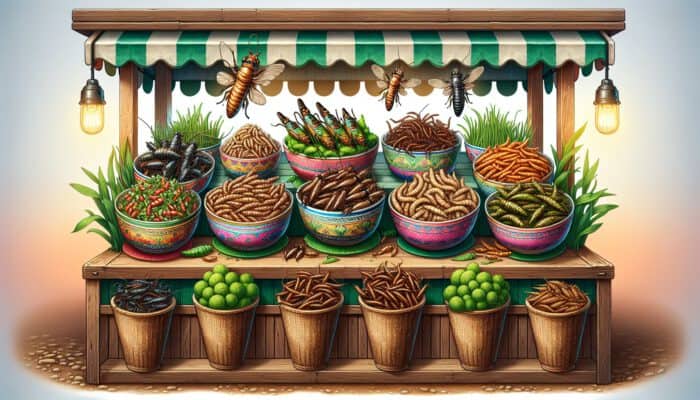
Delve into the best recipes for insect-based protein, which are rapidly gaining popularity worldwide due to their remarkable nutritional benefits and adaptability across numerous culinary applications. Among the most commonly used insects in cooking are crickets, mealworms, grasshoppers, and silkworms. These edible insects are rich in high-quality protein, essential amino acids, vitamins, and minerals. For instance, crickets contain approximately 60% protein by weight and are an excellent source of vitamin B12. In contrast, mealworms are abundant in healthy fats and dietary fibre. You can find these nutritious insects from specialized online retailers or local markets that focus on sustainable food sourcing.
To amplify the flavour and texture of your insect-based dishes, meticulous handling and preparation are imperative. Implement these crucial preparation tips to elevate your culinary journey:
- Purchase from reputable suppliers to guarantee freshness and quality.
- Rinse insects thoroughly to eliminate any impurities.
- Consider dry-roasting or toasting insects to enhance their nutty flavour.
- Utilise spices and marinades to intensify the overall taste.
- Experiment with various cooking methods, including frying, baking, or incorporating into batters.
- Introduce insects into familiar dishes to ease first-time consumers into this innovative ingredient.
- Explore grinding insects into flour for diverse applications.
- Adjust cooking times to achieve preferred textures and flavours.
The adaptability of insect-based protein makes it suitable for a wide array of cuisines, from delectable Asian stir-fries to zesty Mexican tacos and even sophisticated European pastries.
What Are the Key Factors for Creating Successful Insect-Based Recipes?
The triumph of a recipe that features insects relies on several essential factors to ensure a delicious and nourishing final dish. One of the most critical elements is ingredient balance. Similar to any protein source, pairing insects with a variety of flavours, textures, and nutrients from complementary ingredients is essential. Incorporating fresh vegetables, grains, and spices can significantly enhance the dish while also adding colour and nutritional richness.
Furthermore, the cooking methods you employ can greatly influence the final outcome. For instance, frying can produce an appealing crispy texture, while steaming effectively retains valuable nutrients. By blending different techniques, you can create dynamic and layered dishes that cater to various palates. Ultimately, a successful recipe should not only satisfy hunger but also provide an enjoyable and memorable dining experience.
Core Components for Crafting Delicious Insect-Based Dishes
To create delectable insect-based recipes, it is essential to have a solid understanding of the key components involved. Firstly, protein plays a pivotal role; insects offer an excellent protein source, with different species showcasing varying protein levels. Secondly, flavour is paramount; seasoning with herbs, spices, or sauces can significantly elevate a dish. Lastly, binders such as eggs, flour, or starches are crucial for holding ingredients together, particularly in baked goods or fritters.
While conceptualising your dishes, bear in mind the overall balance of these components. For example, when creating protein bars or cookies, blending cricket flour with oats, honey, and nuts can yield a satisfying and nutritious snack. Using insects creatively within familiar recipes can facilitate a smoother transition for those who may be hesitant to try something new.
How to Choose the Best Insects for Your Culinary Masterpieces?

Recognising Key Characteristics for Selecting Insects
Selecting the finest insects for your recipes is essential for achieving optimal culinary success. When choosing insects, focus on their size, freshness, and protein density. Larger insects, such as grasshoppers, may provide more meat per serving but can also have a tougher texture. Freshness is paramount; your insects should be firm and devoid of unpleasant odours or discolouration.
When it comes to protein density, researching the species and opting for insects renowned for their high protein content can significantly enhance the nutritional profile of your dishes. Whether you select crickets or mealworms, understanding the characteristics of your chosen insects will empower you to make informed decisions for your culinary creations.
What Techniques Are Most Effective for Preserving Insect Freshness?
Maintaining the freshness of insects prior to cooking is vital for preserving both flavour and nutritional value. Start by storing insects in a cool, dry environment, ideally in airtight containers to prevent moisture absorption. Refrigerating or freezing insects can extend their shelf life, but be mindful to consume them before their expiry date.
Employing pre-cooking techniques such as blanching or roasting can also aid in maintaining freshness. Briefly blanching in boiling water can enhance texture, while roasting adds a delightful crunch. These methods not only improve taste but also contribute to food safety by minimising the risk of harmful bacteria.
How to Integrate Insects into Your Dishes in Creative Ways?

There are numerous imaginative methods to incorporate insects into your meals, ensuring they blend seamlessly into your favourite recipes. One innovative approach is to integrate them into baked goods. For instance, using cricket flour in pancakes or muffins can significantly enhance protein content without drastically altering the flavour.
Another creative technique is to add insects to sauces or soups, where they can absorb surrounding flavours and contribute a unique texture. Incorporating crushed mealworms into pasta dishes or stirring them into your favourite risotto can bolster nutritional value. The objective is to make the inclusion of insects feel natural, allowing you to reap their benefits without straying too far from familiar culinary practices.
Expert Strategies for Crafting the Most Delicious Insect-Based Dishes
In-Depth Analysis of Nutritional Profiles of Insects
A thorough examination of the protein profiles of various insects reveals their potential as formidable alternatives to traditional protein sources. Crickets, for instance, possess a protein profile that rivals that of beef while also offering essential amino acids, which are crucial for muscle recovery and overall health. Mealworms, on the other hand, are abundant in healthy fats, making them a valuable addition for individuals striving to maintain energy levels and support cognitive function.
Real-world examples highlight the effectiveness of integrating these insects into daily diets. A study conducted in a small community that introduced cricket-based protein bars reported a notable increase in protein intake among participants. This demonstrates how simple recipes can promote balanced diets, particularly in areas where traditional protein sources may be limited or economically challenging to access.
How to Enhance Flavour Profiles in Insect-Based Cooking?
Elevating the flavour profiles of insect-based recipes can transform a simple dish into a culinary masterpiece. One effective strategy is to experiment with seasoning and marinades. Insects readily absorb flavours; marinating them in a blend of soy sauce, garlic, and ginger can create a robust foundation for various dishes.
Moreover, exploring different cooking techniques can further enhance taste. For instance, stir-frying insects with vegetables and spices not only adds depth of flavour but also preserves the vibrant colours and textures of the ingredients. Pairing insects with bold flavours such as chilli, citrus, and umami-rich components can elevate your meals, making them more enjoyable and memorable.
How to Successfully Integrate Insect Proteins into a Healthy Lifestyle?
Incorporating insect-based proteins into your daily meals can provide substantial health benefits while being both creative and delicious. To do this effectively, consider adding insects to familiar recipes you already enjoy. For example, mixing ground crickets into protein shakes or smoothies is an effortless way to boost nutritional content without altering the overall flavour.
Additionally, contemplate using insects in traditional dishes. Create taco fillings with ground mealworms and spices, or sprinkle roasted crickets over salads for added crunch. These integration strategies can assist you in meeting your nutritional goals while enjoying the flavours and textures of your preferred foods.
Understanding Sustainable Practices in Insect Sourcing
Emphasising sustainable practices in insect farming and sourcing makes this an appealing option for environmentally conscious consumers. When incorporating insects into your recipes, pay close attention to the sourcing process. Selecting suppliers who commit to sustainable farming practices can significantly reduce your carbon footprint.
Furthermore, incorporating insects into your daily meal planning not only supports sustainable eating but also mitigates the environmental impact often associated with conventional livestock farming. Insects require considerably less land, water, and feed compared to traditional animal farming, positioning them as an eco-friendly protein source for the future.
What Nutritional Advantages Do Insects Provide?
Vital Nutrients Found in Edible Insects
Insects are a powerhouse of essential nutrients, offering a variety of vitamins and minerals that are vital for maintaining a balanced diet. For example, crickets are rich in iron, zinc, and B vitamins, which are crucial for energy production and immune health. Mealworms not only provide substantial protein but also significant dietary fibre, promoting digestive health.
These nutrients contribute to overall wellness and can effectively combat nutritional deficiencies commonly found in modern diets. Incorporating insect-based recipes into your meals can be a valuable strategy for improving health outcomes and broadening dietary variety.
How Does Insect Protein Contribute to Energy Levels?
Insect proteins play a crucial role in boosting energy levels, thanks to their rich nutrient content and high digestibility. The superior protein found in insects is easily absorbed by the body, offering a sustained source of energy that is particularly beneficial for active individuals or those engaged in physical activities.
Additionally, the healthy fats present in certain insects can serve as an excellent energy source. This combination of protein and fats helps sustain energy levels throughout the day, making insect-based recipes an ideal choice for athletes or anyone looking to maintain their vitality.
How to Achieve Dietary Balance with Insect-Based Options?
Utilising insect-based recipes can effectively help achieve dietary balance. Portion control is essential; incorporating insects as an enhancement rather than the main focus of a dish can make them more acceptable and enjoyable. For instance, adding a handful of roasted crickets to a mixed salad or using insect flour in baked goods can elevate the nutritional profile without overshadowing the dish.
Complementing insects with a variety of other ingredients is equally crucial. Pairing them with whole grains, colourful vegetables, and healthy fats can create well-rounded meals that satisfy hunger while delivering essential nutrients.
Proven Techniques for Preparing Insect-Based Protein
Step-by-Step Cooking Techniques for Beginners
Preparing insect-based recipes requires a careful approach to achieve the desired textures and flavours. Begin by selecting high-quality insects, ensuring they are fresh and clean. Rinse them thoroughly, and consider toasting or roasting them to enhance their natural flavours.
When it comes to cooking, different methods yield varied results. For crunchy snacks, frying or air-frying can create a delightful texture, while boiling or steaming may be more suitable for soups. Each method can be tailored to the specific insect type you are using, encouraging experimentation and discovery of your preferred cooking techniques.
How to Ensure Safety When Cooking with Insects?
Safety is paramount when handling insects for culinary purposes. Expert recommendations suggest adhering to strict hygiene practices throughout the entire process. Always start with clean hands and utensils, thoroughly sanitising all surfaces before and after preparing insect-based meals.
To mitigate risks, ensure that any insects you purchase are sourced from reputable suppliers who comply with food safety standards. Additionally, cooking insects to the recommended temperatures will eliminate potential pathogens, ensuring that your meals are safe and enjoyable.
Creative Seasoning Techniques for Insect-Based Dishes
Seasoning insect-based recipes opens up a world of culinary possibilities. To create appealing dishes, experiment with diverse flavour combinations and seasoning techniques. For example, using globally inspired spices such as cumin, coriander, or lemon zest can significantly enhance the flavours.
Consider developing spice blends tailored to specific dishes. A taco seasoning mix could work beautifully with crickets, while a sweet spice blend containing cinnamon and nutmeg could elevate baked goods featuring insect flour. Customising your seasoning approach not only boosts taste but also makes the dish more enticing and enjoyable.
How to Source and Select Quality Insects for Cooking?
Finding fresh, sustainable insects is crucial for creating delicious insect-based meals. Start by researching suppliers that specialise in edible insects, focusing on those committed to quality and sustainability. Local markets and online retailers often provide various options, ensuring you can find what you need.
When selecting insects, always check for freshness, which should be evident in their appearance and absence of unpleasant odours. Reading customer reviews can also assist in assessing supplier reliability, enabling you to confidently incorporate these protein sources into your cooking.
How to Integrate Nutrition and Health Benefits into Your Meals?
Incorporating insect-based proteins into balanced meals can significantly impact overall health. When planning your meals, consider pairing insects with nutrient-dense accompaniments such as leafy greens, whole grains, and healthy fats. This combination optimises nutrient absorption and enhances the overall nutritional profile of the dish.
For example, creating a stir-fry with mealworms, vibrant vegetables, and a healthy fat source like olive oil can produce a satisfying meal rich in protein, vitamins, and minerals. Emphasising variety and balance in your meals will help you achieve health goals while enjoying the diverse flavours insects can offer.
Why Are Insects Considered an Eco-Friendly Protein Source?
Environmental Benefits of Incorporating Insects into Your Diet
Insects provide remarkable environmental advantages as an alternative protein source. Their production is significantly more sustainable than that of traditional livestock farming, requiring considerably less land, water, and feed. For instance, crickets emit 80% fewer greenhouse gas emissions than cattle, making them an eco-friendly choice for conscientious consumers.
Moreover, insects are efficient converters of feed into protein, meaning they can deliver substantial nutrition with minimal resources. This efficiency not only supports food security but also addresses the environmental challenges associated with conventional agriculture.
What Are the Long-Term Health Benefits of Eating Insects?
The long-term health implications of incorporating insect-based recipes into diets are promising. By fostering a shift towards sustainable protein sources, we can contribute to improved public health outcomes. Insects are rich in essential nutrients that promote overall wellness, making them an excellent choice for maintaining balanced diets.
Furthermore, by reducing reliance on traditional animal proteins, we can cultivate more sustainable dietary habits that benefit environmental health. The integration of insects into our diets can yield both individual health benefits and broader ecological advantages.
What Challenges Might You Face When Consuming Insects?
While the benefits of insect proteins are evident, certain challenges may arise when incorporating them into everyday cooking. One common hurdle is overcoming cultural perceptions and biases regarding insects as food. Education and exposure can play vital roles in alleviating these concerns; introducing insects in familiar dishes can ease the transition for sceptics.
Additionally, sourcing high-quality insects can be challenging. It is essential to ensure that any insects consumed are safe and sustainably sourced. Establishing reliable suppliers and staying informed about best practices can effectively navigate these challenges.
What Is the Nutritional Profile of Common Edible Insects?
Insects' impressive nutrient density makes them a powerful alternative to traditional protein sources. High-quality protein, combined with a rich array of vitamins and minerals, positions insects as a viable option for enhancing dietary health. For example, crickets contain substantial amounts of iron and B vitamins, essential for energy production and immune support.
Incorporating insects into your meals not only boosts nutritional profiles but also provides a sustainable solution to the increasing demand for protein. By embracing insect-based recipes, consumers can enjoy health benefits while reducing environmental impact.
What Economic Advantages Does Insect Protein Offer?
The economic feasibility of insect farming presents compelling advantages compared to conventional livestock production. Lower production costs and resource utilisation make insects an appealing choice for sustainable protein. Insects require significantly less feed, water, and space, which reduces operational costs for farmers.
This economic efficiency can enhance food security, particularly in regions where traditional agriculture faces resource constraints. As demand for sustainable protein continues to grow, insect farming could support local economies by creating new employment opportunities and fostering growth in the food sector.
Innovative Strategies to Integrate Insects into Your Meals
Versatile Adaptations for Insect-Based Recipes
Insects can be effortlessly incorporated into a variety of meals, enhancing their nutritional value without compromising flavour. Consider modifying existing recipes to include insects. For example, adding ground cricket or mealworm flour to pancakes, cookies, or bread can significantly boost protein content.
Here are some straightforward substitution ideas to inspire diversity in your cooking:
- Replace a portion of flour with cricket flour in baked goods.
- Incorporate roasted mealworms into salads for added crunch.
- Add crickets to pasta sauces for enhanced flavour and protein.
- Mix ground insects into smoothies for a nutritious protein boost.
- Integrate insects into burgers or meatballs for a nutritious upgrade.
- Create insect-based snacks like energy bars or granola for on-the-go nutrition.
- Include insects in soups for improved texture and nutrition.
- Use insects in stir-fries to provide protein and crunch.
These adaptations can help bridge the gap for those hesitant to try insects while enhancing the health benefits of everyday meals.
Effective Techniques for Flavour Pairing with Insects
Discovering effective flavour pairing techniques can elevate insect-based recipes to new levels of culinary excellence. Combining insects with complementary ingredients can enhance taste and texture, making meals more enjoyable. For instance, pairing crickets with robust flavours like smoked paprika, garlic, or citrus can highlight their natural nuttiness.
Experimenting with herbs and spices can lead to delightful dishes. Consider adding fresh herbs such as coriander or basil to salads featuring insects, or utilising bold sauces to complement the proteins. The key is to create a balance of flavours that resonates with your palate, ensuring a satisfying culinary experience.
How to Enhance Presentation for Visual Appeal?
The visual presentation of insect-based recipes can greatly influence perceptions and enjoyment. To make your dishes more appealing, focus on textural and visual enhancements. For example, a sprinkle of roasted crickets atop a vibrant salad can create an eye-catching contrast.
You can also play with colours by incorporating a variety of vegetables alongside insects. Consider using colourful ingredients such as cherry tomatoes, bell peppers, or edible flowers to create a visually stunning plate. Thoughtful presentation can demystify insects for diners, encouraging a more adventurous culinary experience.
How to Boost Nutritional Value with Insects?
Integrating insects into your meals provides a unique opportunity to enhance nutritional value. With their high protein, vitamin, and mineral content, insects can complement various dietary needs. For instance, adding insects to meals can be particularly beneficial for individuals seeking increased protein intake or those looking to diversify their nutrient sources.
To maximise nutritional value, consider pairing insects with other healthful ingredients. For example, a grain bowl featuring quinoa, roasted vegetables, and a handful of crickets can create a well-rounded meal rich in protein, fibre, and antioxidants. The options are endless when it comes to enhancing everyday cooking with insects.
How to Approach Sustainable and Ethical Insect Sourcing?
Sourcing and using insects in recipes can be approached with a focus on sustainability and ethics. Opting for eco-friendly practices when sourcing insects is essential for promoting responsible consumption. Seek out suppliers who adhere to sustainable farming practices and are dedicated to minimising their environmental impact.
Moreover, consider the feasibility of home cultivation. Many types of insects can be raised in small spaces, providing a sustainable protein source right from your kitchen. This approach not only supports sustainable eating but also empowers consumers to take control of their food sources, fostering more responsible and ethical food choices.
Essential Tools and Ingredients for Cooking with Insects
Must-Have Kitchen Equipment for Insect Cooking
When embarking on insect-based cooking, having the right kitchen tools can greatly influence your culinary success. Essential equipment includes:
- A food processor for grinding insects or creating flours.
- Measuring cups and spoons for accurate ingredient ratios.
- A roasting pan for toasting insects to amplify flavour.
- Non-stick pans for straightforward cooking and easy cleanup.
- Mixing bowls for amalgamating ingredients seamlessly.
- Storage containers to keep insects fresh and ready for use.
- Blending tools for smoothies or batters.
- A scale for accurately measuring insect weights.
Having these tools readily available simplifies the cooking process, enabling greater creativity in the kitchen.
How to Source Quality Ingredients for Insect Cooking?
Acquiring high-quality ingredients is vital for successful insect-based cooking. Begin by identifying reliable sources for fresh insects. Look for suppliers that specialise in edible insects and prioritise sustainability and safety.
Online retailers often provide a range of options, from whole insects to insect flour, while local markets may have fresh products. Always verify freshness and quality before purchasing. By emphasising reliable sources, you can ensure that your insect-based recipes are both delicious and safe.
What Are Effective Storage Solutions to Ensure Freshness?
To maintain the quality of insects in your recipes, effective storage methods are crucial. Here are some practical strategies to keep insects fresh:
- Store insects in airtight containers to prevent moisture absorption.
- Keep insects in a cool, dark environment to extend shelf life.
- Refrigerate or freeze insects for longer-lasting freshness.
- Label containers with purchase dates for clear tracking.
- Regularly check for any signs of spoilage to ensure quality.
Implementing these storage solutions will help maintain the freshness and readiness of your ingredients for culinary exploration.
Common Questions About Cooking with Insects
Are edible insects safe for consumption?
Yes, edible insects are generally safe to eat when sourced from reputable suppliers and prepared correctly. Ensure proper hygiene and cooking methods to minimise health risks.
What health benefits are associated with consuming insects?
Insects are rich in high-quality protein, essential vitamins, and minerals. They can support muscle health, immune function, and overall wellness when included in a balanced diet.
How can I effectively incorporate insects into my daily meals?
You can add insects to a variety of dishes, including salads, soups, baked goods, or protein bars. Start with small amounts to become accustomed to their flavours and textures.
What types of insects are most commonly used in culinary applications?
Common edible insects include crickets, mealworms, grasshoppers, and beetles. Each species offers distinct flavours and nutritional benefits.
How can I find quality insects for cooking?
Seek reputable suppliers that specialise in edible insects, focusing on those that prioritise sustainability and adhere to safety standards.
Is insect farming environmentally friendly?
Yes, insect farming is considered environmentally friendly because it requires significantly less land, water, and feed than traditional livestock farming, thereby reducing its overall carbon footprint.
Can I cultivate my own edible insects at home?
Yes, many types of edible insects can be easily grown at home, such as mealworms and crickets. Numerous resources are available to help beginners succeed in home farming.
What are some popular recipes featuring insects?
Popular insect-based recipes include cricket protein bars, mealworm tacos, roasted grasshopper salads, and insect-infused smoothies.
How can I enhance the flavour of insect-based dishes?
Improve flavours by using marinades, spices, and herbs. Experimenting with cooking methods such as roasting or frying can also enhance texture and taste.
Are there cultural barriers to consuming insects?
Yes, cultural perceptions can create challenges to the adoption of insect consumption. Education and exposure to insect-based dishes can help overcome these barriers and promote acceptance.
Join our Facebook community today!
The post Best Recipes for Insect-Based Protein: Top Choices appeared first on https://cookinggods.com
The Article Insect-Based Protein: Top Recipes for Delicious Meals Was Found On https://limitsofstrategy.com
No responses yet