Master the Art of Sous Vide Cooking: Elevate Your Culinary Skills
What is Sous Vide Cooking and How Does It Function?
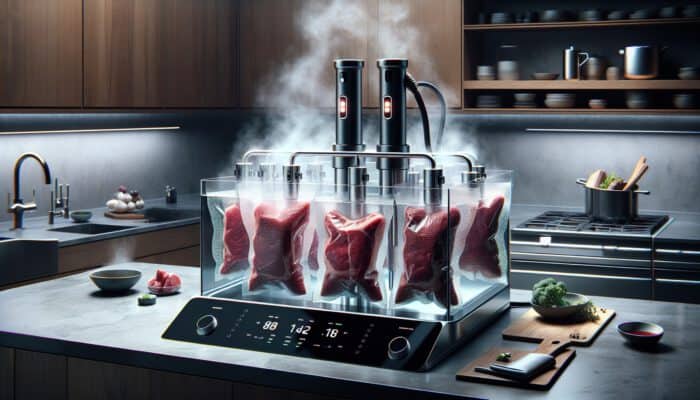
Discover the Best Methods for Sous Vide Cooking Rare Meats: The sous vide technique revolutionises culinary practices by sealing food within a vacuum-sealed bag and immersing it in a precisely regulated water bath. This innovative approach is particularly effective for preparing rare meats, ensuring uniform doneness while eliminating the risk of overcooking. By creating an airtight seal, sous vide effectively captures essential flavours and nutrients, resulting in a dish that is consistently tender and succulent. When cooking rare meats such as beef tenderloin and lamb chops, this method transforms an ordinary meal into a gourmet experience. The precision of temperature control removes the uncertainties often associated with cooking meats, allowing you to achieve results that showcase the natural qualities of the ingredients while ensuring food safety and preserving maximum flavour.
Essential Tools for Achieving Success in Sous Vide Cooking
Selecting the appropriate equipment is crucial for effective sous vide cooking; essential tools include immersion circulators and vacuum sealers, which help maintain accuracy and prevent moisture loss in rare meats, guaranteeing consistent results with minimal effort. Investing in high-quality equipment enhances your culinary experience by reducing cooking time and enhancing safety. Below is a comprehensive list of essential tools for anyone embarking on their sous vide culinary adventure:
- Immersion circulator
- Vacuum sealer
- Resealable bags (for those who do not have a vacuum sealer)
- Large pot or container for the water bath
- Digital food thermometer
- Heavy-duty kitchen scissors
- Cast-iron skillet or grill for searing
- Kitchen timer
What Benefits Come from Cooking Rare Meats with Sous Vide?
Cooking rare meats using the sous vide technique results in extraordinary tenderness and juiciness compared to traditional cooking methods; it preserves the inherent taste while minimising the risks of uneven cooking. This method significantly enhances the quality of meals, whether for everyday dining or special occasions, making it highly appealing to both professional chefs and home cooks. The sous vide approach allows for precise temperature control, ensuring that even the most delicate cuts of meat can be cooked perfectly without the dangers of drying out or losing flavour. Consequently, you achieve a delightful texture and doneness while maintaining the meat's natural juices, resulting in a remarkable dining experience.
How is Temperature Regulation Achieved in Sous Vide Cooking?
Achieving Optimal Heat Levels for Consistent Culinary Success
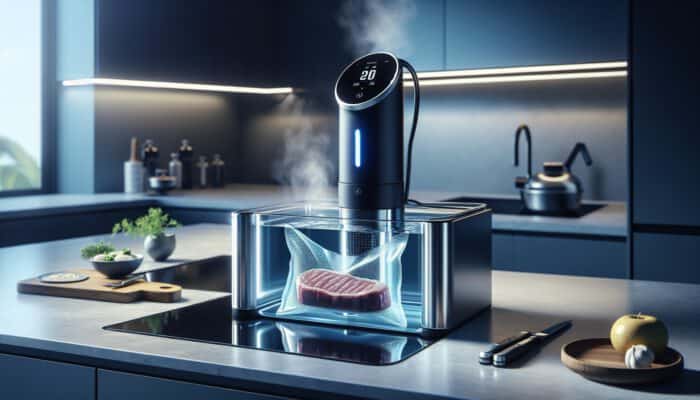
Temperature regulation is fundamental in sous vide cooking, ensuring that rare meats reach the ideal internal temperature without drying out; precise settings inhibit bacterial growth while preserving succulent textures, making this method a dependable choice for achieving consistent results. The immersion circulator accurately heats the water to your desired temperature and maintains it throughout the cooking duration. For example, cooking a ribeye steak at 55°C (131°F) for 1 to 2 hours yields a perfectly tender and juicy steak. The beauty of this method lies in its ability to replicate successful outcomes, as the exact temperature guarantees the same exceptional results with every attempt.
What Factors Influence Cooking Precision in Sous Vide?
Numerous factors can influence temperature accuracy in sous vide, such as water circulation and bag sealing, which help avoid common pitfalls and ensure optimal doneness for rare meats with every cook. The quality of your immersion circulator significantly affects cooking precision; higher-end models offer enhanced temperature stability. Furthermore, the type and thickness of the cooking bag affect heat transfer efficiency. For example, using thick plastic bags may impede the cooking process, while vacuum-sealed bags guarantee better contact with the water, leading to more effective cooking. Additionally, ensuring even water circulation around the food is crucial for achieving consistent outcomes.
Why is Monitoring Cooking Duration Essential?
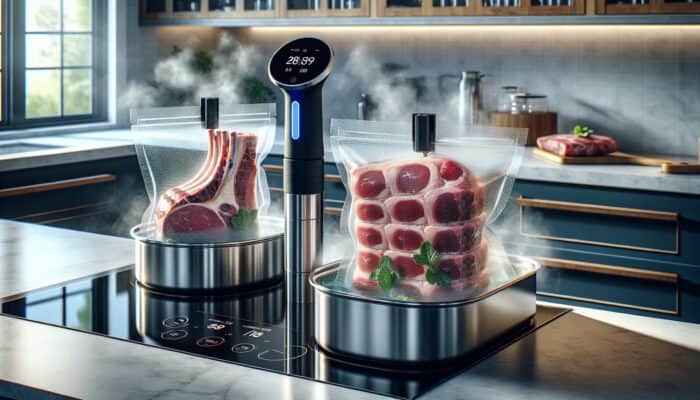
Monitoring cooking time alongside temperature is vital in sous vide to prevent overcooking rare meats; this balance helps retain moisture and flavour, resulting in professional-quality dishes at home. Each cut of meat requires a specific cooking duration to achieve the desired texture and doneness. For instance, a lamb rack may take only 2 hours at 57°C (135°F) to reach perfect medium-rare, while a thicker cut, like a pork loin, may require up to 4 hours. By adhering to both time and temperature guidelines, you can savour the best possible results, making your sous vide experience both successful and satisfying.
What Techniques Are Most Effective for Sous Vide Cooking Rare Meats?
Expert Strategies for Achieving Consistent Cooking Results
Mastering sous vide techniques is vital for ensuring that rare meats are cooked evenly; focus on precision and adapt methods for different cuts to elevate your home-cooking skills. One essential technique is to use a water bath large enough to accommodate your meats without overcrowding, promoting even heat distribution. Additionally, when preparing tougher cuts, consider extending cooking times to break down connective tissues; for example, sous-vide brisket at 68°C (155°F) for 24 hours yields exceptionally tender results. Experimenting with various temperatures and times allows you to discover the ideal settings for each cut, ensuring outstanding results every time.
How to Maximise Flavour Profiles in Sous Vide Cooking?
Enhancing the taste of rare meats through sous vide requires meticulous attention to seasoning and resting techniques; achieving depth and balance in every preparation can significantly influence the final dish. Begin by generously seasoning your meat before vacuum sealing it. Marinades can deeply infuse flavours, especially when allowed to penetrate the meat for several hours. After cooking, allow the meat to rest to redistribute the juices. A quick sear in a hot pan with a splash of oil afterwards adds texture and enhances the overall flavour profile. You can further layer flavour by finishing with fresh herbs or a sprinkle of flaky sea salt.
What Common Challenges Can Arise in Sous Vide Cooking and How Can They Be Overcome?
Troubleshooting sous vide issues with rare meats, such as air pockets or heat fluctuations, is crucial for refining your skills and enhancing outcomes. A common problem is air in the bag, which can lead to uneven cooking. To avoid this, ensure that bags are vacuum-sealed correctly or use the water displacement method for resealable bags. Another frequent challenge is maintaining consistent water temperature, particularly in larger water baths. Using a lid on the pot can minimise evaporation and better maintain heat. By proactively addressing these challenges, you can guarantee consistent results each time you cook.
What Equipment Should You Invest in for Optimal Sous Vide Cooking?
Essential Tools for Beginners Venturing into Sous Vide Cooking
Starting with basic sous vide equipment can simplify cooking rare meats; focus on user-friendly devices that provide precision without unnecessary complexity, making the process accessible to all skill levels. The most critical piece of equipment is an immersion circulator, which enables precise temperature control of the water. Pair this with a vacuum sealer for optimal results, as it helps eliminate air that can hinder cooking performance. A pot or container with sufficient capacity is essential, and investing in a digital thermometer will help ensure your meats achieve their desired internal temperatures.
Upgrading Your Equipment for Enhanced Sous Vide Performance
Selecting advanced equipment that enhances your sous vide cooking experience for rare meats, ensuring faster and more accurate results over time, can significantly improve your culinary journey. Consider investing in high-end immersion circulators with Wi-Fi connectivity to enable remote monitoring of your cooking process. Additionally, look for vacuum sealers with built-in marinating functions to enhance flavour infusion. Here are some potential upgrade options and their benefits:
- Wi-Fi-enabled immersion circulator for remote monitoring
- High-capacity vacuum sealer for larger batches
- Insulated sous vide container to maintain temperature
- Precision digital thermometer with instant-read capabilities
Maintenance and Care Guidelines for Your Sous Vide Equipment
Proper care of your sous vide tools extends their lifespan and maintains effectiveness for cooking rare meats; implementing simple routines helps keep everything in top condition for repeated use. Regularly clean your immersion circulator‘s heating element and water bath to prevent residue build-up. Ensure that vacuum sealers are maintained by replacing worn-out gaskets and keeping the sealing mechanism clean. Store bags and containers in a dry area to prevent moisture accumulation. By following these maintenance practices, you can enjoy optimal performance from your sous vide equipment, ensuring delicious results every time you cook.
Understanding the Safety Features in Your Sous Vide Equipment
Being aware of the safety features in your sous vide devices is essential for cooking rare meats safely, helping to prevent overcooking or bacterial growth. Look for models that include accurate timers, alarms, and auto-shutoff functions. These features ensure reliable results and provide peace of mind, making your cooking experience efficient and secure for everyday use. With the right equipment, you can focus on perfecting your sous vide technique, confident that your tools are designed to uphold safety standards while delivering exceptional results.
Research-Backed Advantages of Sous Vide Cooking for Rare Meats
Health Benefits of the Sous Vide Method
Sous vide cooking preserves nutrients in rare meats more effectively than other cooking techniques, offering distinct health advantages. Research indicates reduced fat loss and greater vitamin retention, making it a healthier cooking option. For instance, cooking chicken breast sous vide at a regulated temperature retains significantly more B vitamins compared to traditional cooking methods, which often lead to nutrient depletion. Moreover, the low cooking temperatures employed in sous vide reduce the formation of harmful compounds typically produced in high-temperature cooking methods. This preservation of nutrients not only benefits overall health but also enhances the meal's quality.
How Sous Vide Enhances Texture and Taste of Meats
Sous vide improves the mouthfeel and flavour of rare meats by creating controlled cooking environments; actionable steps for experimenting with different flavour profiles can reveal the full potential of this cooking method. Consider varying the cooking temperature to explore various textures; for instance, cooking a steak at lower temperatures results in a buttery tenderness, while higher temperatures can yield a firmer texture. Additionally, marinating meats before cooking can create a complex flavour profile that beautifully complements the traditional sous vide technique. Experimenting with various herbs, spices, and marinades can elevate the overall dining experience, showcasing the versatility of sous vide cooking.
Long-Term Efficiency of Sous Vide Cooking
This approach saves time and resources when preparing rare meats consistently; practical strategies for integrating it into your cooking routine can streamline meal preparation. The beauty of sous vide lies in its ability to facilitate meal prep in advance. You can cook meat in bulk and refrigerate or freeze it for future meals. This not only saves time but also reduces food waste, as you can cook precisely what you need. By planning your weekly meals using sous vide, you can ensure you always have delicious, perfectly cooked proteins ready to enjoy at any time.
How Sous Vide Ensures Food Safety for Rare Meats
The precise temperature control of sous vide dramatically reduces the risks of pathogens in rare meats; research shows that this method can achieve up to 99.9% bacterial reduction while preserving the meat's rare state, making it safer for regular consumption. Cooking at lower temperatures for extended durations effectively pasteurises meats, eliminating harmful bacteria without overcooking. For example, cooking pork sous vide at 60°C (140°F) ensures it reaches a safe temperature while maintaining its juiciness and tenderness. This method not only enhances flavour but also instils confidence in home cooks regarding food safety practices.
Why is Timing Critical in Sous Vide Cooking?
Balancing Time and Doneness for Exceptional Culinary Results
Timing plays a critical role in determining how rare meats turn out in sous vide; precise scheduling prevents toughness while maximising tenderness, leading to ideal results. Each cut of meat requires a specific cooking duration to attain the perfect doneness, allowing the proteins to break down effectively. For instance, cooking a duck breast for 2 hours at 57°C (135°F) yields a beautifully tender result, while shorter cooking times may leave it undercooked or excessively tough. The precision of sous vide allows for experimentation, but understanding the relationship between time and doneness is key to mastering this cooking technique.
How to Adjust Cooking Times Based on Meat Thickness?
Different cuts require tailored sous vide timing to achieve perfect rareness; overlooking this can adversely affect quality, so meticulous planning is essential. Thicker cuts, such as a beef chuck roast, necessitate longer cooking times compared to thinner cuts like pork loin. The general guideline is to cook meats for 1 hour per inch of thickness at the desired temperature; for instance, a 2-inch thick steak should be cooked for 2 hours at 55°C (131°F) for medium-rare. By understanding the thickness of your cuts, you can consistently achieve excellent results, ensuring that every dish meets your expectations.
Strategies to Prevent Overcooking in Sous Vide Cooking
Learning methods to safeguard against extended sous vide cooking times for rare meats ensures they remain juicy and flavourful throughout the cooking process. Using a timer and setting alarms can effectively help monitor cooking durations. Furthermore, sous vide cooking offers flexibility; meats can be held at their target temperature for extended periods without the risk of overcooking, making it a forgiving technique. However, combining these strategies with proper planning and attention to thickness will ensure your rare meats retain their desired doneness and juiciness, resulting in a highly satisfying dining experience.
The Importance of Resting Time After Sous Vide Cooking
Allowing rare meats to rest after sous vide cooking is critical for redistributing juices, enhancing tenderness and flavour. Properly timing this resting period prevents dryness and ensures the meat reaches its optimal state, promoting better texture and taste profiles. After cooking, allow your meats to rest for at least 10 minutes before slicing. This resting phase allows the muscle fibres to relax and reabsorb juices that may have been pushed out during cooking. The result is a more succulent, flavourful piece of meat that truly showcases the benefits of sous vide preparation.
How to Effectively Use Timers and Alarms in Sous Vide Cooking?
The effective use of timers and alarms during the sous vide process is essential for maintaining accurate cooking times for rare meats, minimising the risks of overcooking or undercooking. This integration helps achieve consistent results, safeguards against timing errors, and enhances overall cooking precision and reliability. Many modern immersion circulators come equipped with built-in timers or can connect to smartphone applications, allowing you to monitor your cooking process easily. By leveraging these technological advancements, you can focus on other aspects of meal preparation while ensuring your sous vide cooking remains flawless.
Expert Insights for Achieving Flawless Sous Vide Results
Seasoning Techniques to Amplify Flavour in Your Dishes
Experimenting with various seasonings can significantly enhance sous vide results for rare meats; creative combinations can elevate dishes without overshadowing their natural flavours. Begin with basic seasonings such as salt and cracked black pepper, then explore herbs like rosemary or thyme. Incorporating garlic and citrus zest can also add layers of flavour. Here's a list of popular seasoning ideas to try:
- Salt and cracked black pepper
- Smoked paprika for a hint of heat
- Fresh herbs like rosemary and thyme
- Citrus zest for a refreshing touch
- Garlic and onion powder for depth
- Chilli flakes for added spice
- Marinades using soy sauce or balsamic vinegar
- Mustard or horseradish for a unique kick
Post-Cooking Finishing Techniques to Enhance Presentation
After sous vide cooking, finishing rare meats with a quick sear adds appealing crusts; this step effectively boosts both presentation and texture. A hot cast-iron skillet or grill is ideal for achieving that perfect sear. Preheat your skillet until it begins to smoke, add a small amount of oil, and sear the meat for just 30 seconds to a minute on each side. This final touch not only enhances the overall flavour but also provides that desirable contrast between the beautifully cooked interior and the crisp exterior. A well-executed sear can elevate your dish, making it visually appealing and even tastier.
Smart Storage Solutions for Leftover Sous Vide Meats
Properly storing sous vide-cooked rare meats is vital for maintaining freshness; simple techniques can help preserve quality for later enjoyment. Once cooked, allow the meat to cool slightly before refrigerating it in its cooking bag. For extended storage, consider freezing; vacuum-sealing portions helps prevent freezer burn. When you're ready to eat, reheat the meat in the sous vide water bath at the same temperature it was initially cooked to maintain its juiciness and flavour. This method ensures that leftovers taste just as delicious as when they were freshly prepared, showcasing sous vide as an incredibly efficient meal prep technique.
Why is Monitoring Time and Temperature So Crucial?
In sous vide cooking, accurately monitoring cooking time and temperature is essential for achieving ideal results with rare meats; using reliable tools like digital thermometers helps prevent both overcooking and undercooking, ensuring the meat remains juicy and safe to eat. Maintain a consistent cooking environment and be vigilant about timing, especially with thicker cuts. Investing in a quality immersion circulator that provides real-time feedback on water temperature and cooking time can further enhance your sous vide experience, allowing you to focus on creativity and presentation while ensuring perfect results every time.
Avoiding Common Pitfalls in Sous Vide Cooking
Challenges Arising from Improper Sealing Techniques
Failing to seal bags properly can lead to water ingress during sous vide cooking, compromising the quality of rare meats; addressing this issue early on ensures better results. Always check for air pockets before cooking, as they can cause uneven cooking and pose food safety risks. Investing in a quality vacuum sealer can minimise these problems and ensure an airtight seal. If using resealable bags, apply the water displacement method to effectively remove air before sealing, optimising your cooking environment and guaranteeing the best possible outcomes.
Neglecting Fundamental Safety Guidelines in Sous Vide Cooking
Overlooking essential safety practices in sous vide cooking risks compromising the quality of rare meats; adhering to established protocols prevents errors and promotes reliability. Always ensure that your immersion circulator is functioning properly and that the water bath is deep enough to submerge the meat fully. Keep track of cooking times and temperatures; utilising a digital thermometer can provide peace of mind. Additionally, be mindful of potential cross-contamination by using separate cutting boards and utensils for raw and cooked foods. Following these safety guidelines will significantly elevate your sous vide cooking experience.
Rushing into Experimentation Without Adequate Planning
Hurrying into sous vide cooking without sufficient preparation can compromise your rare meat dishes; structured approaches yield consistent success. Before you begin, take the time to understand the types of meat you are working with and how various temperatures affect their texture and flavour. Maintain a cooking log to track results and adjust your techniques as necessary. Researching recommended cooking times and temperatures is critical to avoid trial-and-error mistakes that can lead to less-than-satisfactory outcomes. Planning will ensure that your sous vide experiences are both rewarding and delicious.
Frequently Asked Questions Regarding Sous Vide Cooking
What is the optimal temperature for cooking rare meats sous vide?
The ideal temperature for cooking rare meats sous vide typically ranges from 50°C to 55°C (122°F to 131°F), depending on the specific type of meat and desired doneness.
How long should I sous vide a steak for the best results?
For a medium-rare steak, sous-vide it for 1 to 2 hours at 55°C (131°F). Thicker cuts may require additional cooking time to achieve perfect tenderness.
Can I sous vide frozen meat directly without thawing?
Yes, you can sous vide frozen meat directly; add an hour to the cooking time to ensure it reaches the desired internal temperature.
What type of bags are best for sous vide cooking?
Using vacuum-sealed bags specifically designed for sous vide is ideal. If unavailable, resealable bags can work effectively with the water displacement method.
Is sous vide safe for cooking poultry and other meats?
Yes, sous vide is safe for poultry when cooked at the appropriate temperature and for the appropriate duration to eliminate harmful bacteria. Cooking chicken to 65°C (149°F) for at least 1 hour ensures it is safe to consume.
How can I enhance the flavour of my sous vide meats?
Enhance flavour by marinating meats before cooking, seasoning generously, and finishing with a quick sear. Experimenting with a variety of herbs and spices also significantly boosts flavour.
Can I overcook meat in sous vide cooking?
While sous vide is a forgiving method, overcooking can occur if meat is held at the target temperature for excessively long periods. Following recommended cooking times will yield the best results.
Do I need to rest the meat after sous vide cooking?
Yes, resting the meat after sous vide cooking is essential. This allows juices to redistribute, enhancing tenderness and moisture, resulting in a better eating experience.
What are some common mistakes in sous vide cooking?
Common mistakes include improper bag sealing, ignoring safety guidelines, and failing to monitor time and temperature accurately. Attention to detail is crucial for achieving optimal results.
How do I store leftovers from sous vide cooking?
Store sous vide-cooked leftovers in their bags in the refrigerator or freeze them for later use. Reheat in the sous vide bath at the original cooking temperature to maintain quality and flavour.
Connect with us on Facebook!
The post Best Ways to Sous Vide Rare Meats: Achieving Perfect Results appeared first on https://cookinggods.com
The Article Sous Vide Rare Meats: Top Tips for Perfect Results Was Found On https://limitsofstrategy.com
No responses yet