Unveiling Stochastic Oscillator Divergence: Key Insights for Traders
What Is Divergence in Oscillator Analysis?
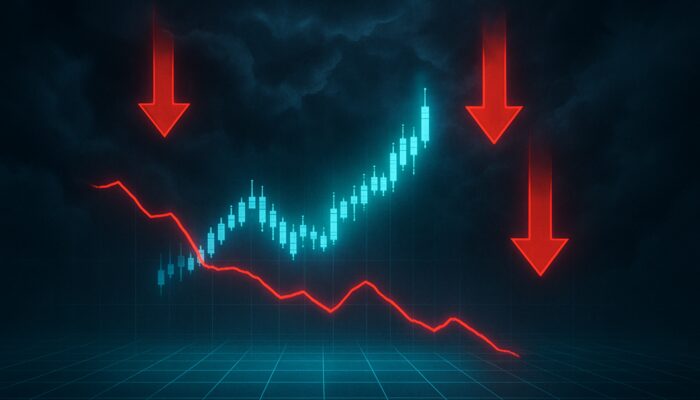
Divergence in oscillator analysis occurs when the price movement of an asset diverges from the trend indicated by the stochastic oscillator. This situation frequently signals a potential loss of momentum, suggesting possible changes in trend direction across various financial markets and timeframes. Traders vigilantly observe these divergences, as they offer vital insights into possible market reversals or continuations.
Grasping the concept of divergence is essential for traders aiming to enhance their market analysis. For example, if an asset’s price reaches new highs while the stochastic oscillator fails to show a corresponding increase, it may indicate that bullish momentum is diminishing. This scenario could lead traders to reassess their positions, as it might imply an impending market pullback.
Divergence can be divided into two principal categories: regular divergence and hidden divergence. Regular divergence generally points to a potential trend reversal, while hidden divergence suggests that the prevailing trend is likely to persist. Both types of divergence provide crucial information that traders can utilise to refine their trading strategies.
Essential Elements and Calculation Methods for the Stochastic Oscillator
The stochastic oscillator is composed of two primary elements: the %K line and the %D line. The %K line evaluates the current closing price in relation to the price range over a defined period. Conversely, the %D line represents a smoothed version of the %K line, typically calculated from a moving average. Together, these lines assist traders in identifying overbought and oversold conditions in the market.
To compute the stochastic oscillator, traders apply the formula: %K = (Current Close – Lowest Low) / (Highest High – Lowest Low) * 100. This equation illustrates the relationship between the current price and its recent highs and lows, providing essential context for momentum analysis. Divergence appears when these calculated values do not align with the underlying price actions, indicating potential shifts in market sentiment.
A robust understanding of the foundational components and calculations of the stochastic oscillator empowers traders to accurately interpret its signals. By examining the relationship between the oscillator and price movements, traders can identify divergence patterns that may suggest upcoming trend shifts or continuations.
Identifying Common Divergence Patterns on Charts
Traders often discern various divergence patterns on candlestick charts, which can manifest across different asset classes during both upward and downward trends. Regular divergence occurs when the price reaches new highs or lows, while the stochastic oscillator fails to replicate this movement, indicating a potential reversal. In contrast, hidden divergence can surface during trends, suggesting that the trend may continue.
Recognising these patterns is vital for traders seeking to capitalise on market fluctuations. For instance, in a bullish market, if prices continue to rise but the stochastic oscillator shows lower highs, it may indicate a weakening uptrend. In a bearish scenario, if the oscillator exhibits rising readings while prices drop, it could signal a potential trend reversal.
Understanding these common chart patterns allows traders to develop strategies that leverage divergence signals effectively. By integrating these insights with other technical analysis tools, traders can enhance their decision-making processes and improve their trading efficacy.
Evaluating Trends in Market Data
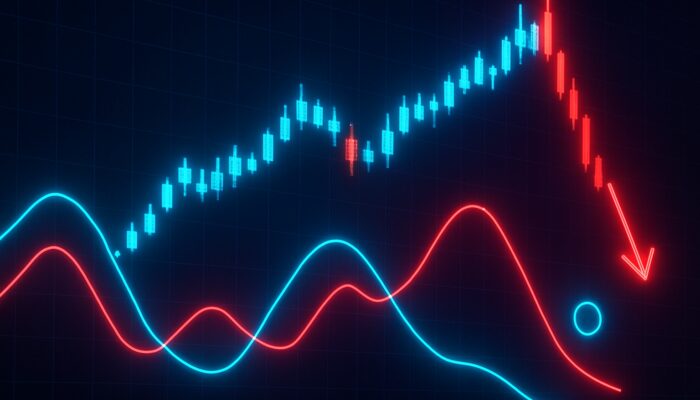
What Visual Signals Should Traders Keep an Eye On?
Monitoring critical visual signals is essential for pinpointing divergence in market data. Traders should focus on the peaks and troughs in both price action and oscillator readings. When the oscillator does not confirm new price highs or lows, it may indicate a loss of momentum, prompting traders to explore potential reversals or trend continuations.
For example, if an asset’s price hits a new high while the stochastic oscillator records a lower high, this discrepancy could signify a weakening bullish trend. Conversely, if the price reaches a new low while the oscillator shows a higher low, it may imply that selling pressure is diminishing, signalling a potential reversal.
Traders can enhance their analysis by employing a checklist to validate these signals. Key visual signals to monitor include:
- New price highs or lows
- Oscillator peaks and troughs
- Trends in volume
- Support and resistance levels
By concentrating on these visual indicators, traders can improve their ability to detect divergence patterns and make informed decisions based on their observations.
What Steps Are Required to Confirm Valid Divergence?
Confirming divergence requires a methodical approach to ensure the signals are significant. Traders should analyse multiple timeframes to verify the divergence, as signals on longer timeframes generally hold more reliability than those on shorter ones. It is also critical to confirm that the oscillator is positioned within overbought or oversold levels before treating the divergence as a substantial signal.
For instance, if a trader identifies divergence on a daily chart, they should also examine hourly and weekly charts to determine if the divergence persists across those timeframes. This multi-timeframe analysis can bolster the validity of the signal and diminish the likelihood of false positives.
Another vital aspect of confirming divergence is assessing the oscillator’s location within overbought or oversold zones. If the oscillator occupies an extreme level, it enhances the credibility of the divergence signal, increasing the chances of an impending price reversal.
- Analyse multiple timeframes for consistency
- Ensure the oscillator is in overbought or oversold territories
- Seek additional confirming indicators
- Monitor market sentiment and news developments
Implementing these validation techniques can bolster traders’ confidence in divergence signals and facilitate more informed trading decisions.
How to Evaluate Volume Trends Alongside Price Movements?

Volume analysis is crucial for validating divergence signals. Monitoring volume changes during the formation of chart patterns can yield vital confirmation signals. An increase in volume accompanying price movements, especially during breakouts, strengthens the reliability of the observed patterns. Conversely, declining volume can often indicate potential failures or a lack of conviction in the price movement.
For instance, if a trader identifies a bullish divergence where the price makes lower lows while the stochastic oscillator displays higher lows, they should also assess the volume. If volume rises as the price declines, it may suggest that sellers are losing strength, reinforcing the divergence signal.
Volume can also help traders spot potential false breakouts. If a breakout transpires with low volume, it may signal that the move lacks conviction and could reverse swiftly. By integrating volume analysis into their trading strategies, traders can enhance their ability to recognise valid divergence signals and sidestep potential pitfalls.
- Track volume trends during price movements
- Observe increasing volume during breakouts
- Identify low volume during potential reversals
- Utilise volume as a confirmation tool
By combining volume analysis with price action and oscillator readings, traders can achieve a more comprehensive understanding of market dynamics and improve their trading outcomes.
How to Combine Multiple Indicators for Enhanced Validation?
Integrating a variety of technical indicators alongside the stochastic oscillator can significantly improve the accuracy of trading decisions. Relying on a single method may lead to misinterpretations, while employing a combination of indicators aids in confirming trend directions and enriching overall analysis.
For instance, traders can pair the stochastic oscillator with moving averages to ascertain trend direction. When the oscillator indicates divergence while the price is either above or below a moving average, it provides additional context for a potential reversal or continuation. This layered approach helps filter out noise and boosts signal reliability.
Incorporating momentum indicators such as the Relative Strength Index (RSI) or the Moving Average Convergence Divergence (MACD) can further validate divergence signals. These indicators offer insights into market strength and assist traders in assessing whether the divergence is significant or merely a temporary fluctuation.
- Pair the stochastic oscillator with moving averages
- Utilise RSI or MACD for momentum confirmation
- Incorporate trend lines for visual clarity
- Employ Fibonacci retracement levels for support
By adopting multiple indicators for pattern validation, traders can reduce the risk of false signals and make more informed decisions based on a thorough analysis of market conditions.
What Insights Does Stochastic Oscillator Divergence Offer on Potential Reversals?
How Do Overbought and Oversold Levels Indicate Market Reversals?
The readings of the stochastic oscillator in relation to overbought and oversold levels are pivotal in signalling potential reversals. When divergence coincides with extreme oscillator readings, it amplifies the likelihood that the current price momentum is unsustainable. For example, if the oscillator indicates overbought conditions while the price continues to ascend, it may suggest that a correction is around the corner.
In such instances, traders should exercise caution and contemplate adjusting their positions. If price action reaches new highs while the oscillator shows divergence, it indicates that buying pressure is diminishing. This misalignment can lead traders to secure profits or implement stop-loss orders to safeguard their capital.
Conversely, when the stochastic oscillator is in oversold territory and divergence is detected during a downtrend, it may indicate that selling pressure is subsiding. This scenario presents a buying opportunity for traders aiming to capitalise on a reversal as prices start to rebound.
How Do Volume Indicators Interact with Divergence Analysis?
Volume analysis significantly bolsters divergence signals by revealing whether market participation supports or contradicts the observed price movement. For example, if a bullish divergence is identified, but the accompanying volume is decreasing, it may suggest that the upward momentum lacks conviction. This discrepancy could lead traders to reassess their positions and await further confirmation before executing a trade.
Alternatively, if the divergence is supported by increasing volume, it strengthens the validity of the signal. Rising volume during a price reversal indicates that more market participants are entering the market, thus supporting the potential for a successful trend change. Traders should consistently consider volume trends alongside divergence to make informed decisions.
Volume can also help identify potential false breakouts. If a breakout occurs with low volume, it may indicate a lack of conviction, prompting traders to proceed with caution. By integrating volume analysis with divergence signals, traders can enhance their ability to make sound trading decisions.
- Observe volume trends during divergence
- Look for increasing volume during reversals
- Identify low volume during breakouts
- Utilise volume as a confirmation tool
By understanding the interplay between divergence and volume indicators, traders can refine their analysis and improve their chances of successful trades.
How Do Timeframe Considerations Impact Accuracy?
Timeframe considerations are essential for accurately interpreting stochastic oscillator divergence. Shorter timeframes may yield frequent but less reliable divergences, while longer timeframes generally provide clearer but delayed signals. Traders must align their analysis with their trading style and risk tolerance when evaluating divergence across various timeframes.
For example, day traders may focus on 5-minute or 15-minute charts, where divergences can frequently arise. these signals may lack the weight of those observed on daily or weekly charts. Longer timeframes offer a more comprehensive view of market trends and help traders identify significant divergence patterns that are more likely to lead to meaningful reversals.
It is crucial for traders to validate divergence signals across multiple timeframes. If divergence is detected on a shorter timeframe, checking for consistency on longer timeframes can enhance the reliability of the signal. This multi-timeframe approach allows traders to filter out noise and concentrate on setups with greater probabilities.
- Align analysis with trading style
- Prioritise longer timeframes for greater clarity
- Validate divergence across various timeframes
- Focus on setups with higher probabilities
By thoughtfully considering timeframes, traders can improve their accuracy in recognising stochastic oscillator divergence and refine their overall trading strategies.
Valuable Insights on Stochastic Oscillator Divergence
Can You Provide Real-World Examples of Divergence Trades?
Real-world examples of divergence trades illustrate how these patterns unfold in actual market situations. For instance, consider a trader who identifies a regular divergence on the daily chart of a popular stock. The price reaches a new high, while the stochastic oscillator fails to follow suit, recording a lower high. This discrepancy signals a potential reversal.
In this case, the trader could initiate a short position, placing a stop-loss above the recent high. As the price begins to decline, the trader can monitor volume trends to validate the divergence. If volume increases during the downtrend, it reinforces the decision to maintain the position until a target is reached.
Another example involves hidden divergence in a bullish market. Suppose a cryptocurrency is in a strong uptrend, and the price slightly retraces while the stochastic oscillator displays higher lows. This hidden divergence may suggest that the uptrend is likely to continue. The trader can enter a long position, using the previous swing low as a stop-loss level.
These examples demonstrate how a comprehensive understanding of divergence can lead to actionable trading strategies grounded in real market conditions.
What Practical Steps Can Traders Take for Pattern Validation?
To effectively validate divergence patterns, traders can follow a series of practical steps that enhance their decision-making process. First, they should look for divergence on their preferred charts, identifying discrepancies between price action and the stochastic oscillator. Upon spotting a potential divergence, traders should check multiple timeframes to confirm the validity of the signal.
Next, evaluating the oscillator’s position within overbought or oversold zones is essential. If divergence aligns with extreme readings, it adds significance to the signal. Traders should also consider integrating additional indicators, such as moving averages or volume analysis, to provide further confirmation.
Developing a checklist for entry and exit criteria can be beneficial. This checklist might outline specific conditions for entering trades, such as confirming divergence across multiple timeframes, aligning with volume trends, and ensuring proper risk management through stop-loss placements. By adhering to these steps, traders can enhance their confidence in their divergence setups.
- Identify divergence on preferred charts
- Check multiple timeframes for confirmation
- Evaluate oscillator position in overbought/oversold zones
- Integrate additional indicators for validation
By implementing these actionable steps, traders can strengthen their ability to validate divergence patterns and enhance their overall trading performance.
What Expert Guidance Is Available on Risk Management?
Effective risk management is a crucial element of trading divergence signals. Proper position sizing and stop placement are essential to safeguard capital in volatile markets. Traders should define their risk tolerance and adjust their position sizes accordingly, ensuring that no single trade can significantly affect their overall portfolio.
When entering a trade based on divergence, it is vital to set stop-loss orders at strategic levels. For example, placing a stop-loss above the recent high in a short trade or below the recent low in a long trade can help minimise potential losses. Traders should also consider employing trailing stops to lock in profits as the trade moves in their favour.
Implementing risk-reward ratios is another effective strategy for managing risk. Traders should aim for a minimum risk-reward ratio of 1:2, meaning they should expect to gain at least twice the amount they risk on a trade. This approach ensures that even if some trades result in losses, the overall profitability of the trading strategy remains intact.
- Determine risk tolerance for position sizing
- Set strategic stop-loss orders
- Consider trailing stops to secure profits
- Aim for favourable risk-reward ratios
By concentrating on risk management, traders can navigate market uncertainties while trading stochastic oscillator divergence signals.
What Are the Challenges of Solely Relying on Divergence?
How Do False Signals Pose Challenges?
One of the primary drawbacks of relying exclusively on divergence is the risk of encountering false signals. Divergence can persist for extended periods without triggering immediate reversals, causing traders to exit positions prematurely or miss ongoing trends. This situation can be particularly frustrating for traders who anticipate quick results based on divergence patterns.
For instance, a trader might identify divergence suggesting a potential reversal, only to observe the price continuing in the original direction for an extended time. This can provoke emotional decision-making and heighten risk if traders deviate from their strategies in response to short-term price fluctuations.
To mitigate this risk, traders should blend divergence analysis with other technical indicators and market contexts. By incorporating supplementary signals and confirming divergence across various timeframes, traders can reduce the likelihood of acting on false signals and make more informed decisions.
What Are the Key Advantages of Multi-Indicator Confirmation?
Combining multiple indicators with divergence analysis provides significant benefits that enhance trading strategies. These advantages include:
- Improved signal reliability
- Reduced risk of false positives
- Enhanced decision-making processes
- Better identification of trends
- Increased confidence in trade execution
By leveraging multi-indicator confirmation, traders can solidify their analysis and increase their chances of successful trades.
How Do Market Conditions Influence Divergence Signals?
Market conditions can significantly affect the reliability of divergence signals. In strong trending environments, misleading divergences may arise, necessitating additional filters before execution. For example, during a robust bullish trend, the stochastic oscillator may display overbought conditions, leading to divergence. the trend may persist for an extended period despite this divergence signal.
Traders should remain aware of current market conditions and adjust their strategies accordingly. In trending markets, it may be more prudent to focus on hidden divergence patterns that indicate trend continuation rather than regular divergences that imply reversals. This approach enables traders to align their strategies with the overall market direction.
Incorporating fundamental analysis and market sentiment can provide valuable context when interpreting divergence signals. By understanding the broader economic landscape and relevant news events, traders can make more informed decisions and avoid pitfalls associated with relying solely on technical indicators.
- Stay aware of current market conditions
- Focus on hidden divergences in trending markets
- Incorporate fundamental analysis for added context
- Adjust strategies based on market sentiment
By considering the impact of market conditions, traders can refine their analysis of stochastic oscillator divergence and enhance their overall trading performance.
Research-Supported Advantages of Stochastic Oscillator Divergence
What Statistical Edge Is Present in Backtests?
Research indicates that combining divergence with additional filters can boost win rates and risk-reward ratios across various market datasets. Backtesting different trading strategies that incorporate stochastic oscillator divergence reveals that traders employing extra confirmation methods achieve better results than those relying solely on divergence signals.
For instance, a study analysing multiple asset classes found that traders using divergence alongside volume analysis and trend filters experienced higher profitability. This statistical advantage underscores the importance of a comprehensive trading approach that integrates multiple factors rather than depending on a single indicator.
Backtests can aid traders in identifying optimal entry and exit points, enabling them to further refine their strategies. By examining historical data, traders can gain a deeper understanding of how divergence patterns have performed under various market conditions, leading to more informed decision-making.
How Do Divergence Patterns Enhance Decision Frameworks?
Research suggests that divergence introduces an objective element to subjective chart reading, fostering more consistent trading outcomes. By incorporating stochastic oscillator divergence into their analyses, traders can minimise the impact of emotional decision-making and establish a more systematic trading approach.
For example, traders can create specific rules for entering and exiting trades based on divergence signals. This structured framework helps eliminate impulsive choices driven by fear or greed, resulting in improved trading discipline. Utilising divergence as part of a broader trading strategy allows traders to assess market conditions more objectively.
Studies reveal that traders adhering to a systematic methodology, including divergence analysis, typically achieve higher win rates and improved risk-reward ratios. This evidence highlights the value of integrating stochastic oscillator divergence into a comprehensive trading framework.
- Reduces emotional decision-making
- Supports a systematic approach to trading
- Enhances trading discipline
- Improves overall profitability
By leveraging research-backed benefits, traders can optimise their use of stochastic oscillator divergence and refine their trading strategies.
What Are the Key Advantages of Systematic Trading Approaches?
Systematic trading approaches that incorporate stochastic oscillator divergence offer several key benefits, including:
- Improved consistency in trading decisions
- Clear rules for entry and exit points
- Enhanced risk management techniques
- Increased adaptability to changing market conditions
- Greater overall profitability
By adopting a systematic approach, traders can maximise the advantages of stochastic oscillator divergence and improve their trading performance.
How Can Stochastic Oscillator Divergence Elevate Trading Strategies?
How to Integrate Divergence with Trend Filters?
Integrating stochastic oscillator divergence with trend filters can significantly enhance trading strategies. Employing divergence only in alignment with the higher-timeframe trend mitigates counter-trend risks while improving overall strategy effectiveness. For instance, if a trader observes a bullish divergence on a shorter timeframe, they should ensure that the higher-timeframe trend is also bullish before entering a long position.
Aligning with the prevailing trend helps traders avoid false signals and increases the likelihood of successful trades. It enables traders to focus on high-probability setups that align with the overall market direction.
Utilising trend filters alongside divergence analysis helps traders identify optimal entry and exit points. By recognising significant support and resistance levels in relation to the trend, traders can establish more strategic stop-loss orders and profit targets, further refining their trading strategies.
- Use divergence in line with the higher-timeframe trend
- Avoid counter-trend risks
- Identify optimal entry and exit points
- Align with key support and resistance levels
By integrating trend filters with stochastic oscillator divergence, traders can enhance their overall trading performance and achieve more consistent results.
What Strategies Assist in Timing Entries and Exits?
Stochastic oscillator divergence can help traders identify potential turning points, enabling them to adjust entries, exits, and trailing stops with greater precision. When a divergence signal is detected, traders can use it as a cue to enter or exit positions based on the likelihood of a trend reversal.
For instance, if a trader identifies a bullish divergence, they might choose to enter a long position as the price begins to recover. Conversely, if a bearish divergence is evident, it may prompt the trader to exit a long position or initiate a short position. This strategic timing can significantly influence overall profitability.
Traders can also use divergence signals to set trailing stops, securing profits as the price moves favourably. By adjusting stop-loss orders based on divergence patterns, traders can protect their capital while allowing for potential further gains.
- Utilise divergence to time entries and exits
- Adjust trailing stops based on divergence patterns
- Closely monitor price movements for confirmation
- Implement profit-taking strategies
By leveraging stochastic oscillator divergence for timing entry and exit points, traders can enhance their trading strategies and improve their overall performance.
How to Merge Signals for Enhanced Analysis?
Combining stochastic oscillator divergence with other signals can create robust confluence zones for higher-conviction trades. Layering divergence with moving averages or Fibonacci levels offers additional context for potential reversals or continuations. For instance, if a trader identifies a bullish divergence at a significant Fibonacci retracement level, it may indicate a strong buying opportunity.
This synergy of signals enhances the reliability of the trade setup and instills greater confidence in traders’ decisions. Utilising multiple indicators helps filter out noise and reduces the risk of false signals, improving overall trading accuracy.
Traders should also consider market context when merging signals. For example, if divergence aligns with favourable news sentiment or robust volume, it further substantiates the validity of the trade setup. By integrating multiple signals, traders can create a comprehensive analysis that supports their trading strategies.
- Layer divergence with moving averages or Fibonacci levels
- Look for confluence with market context
- Enhance the reliability of trade setups
- Reduce the likelihood of false signals
By combining stochastic oscillator divergence with other signals, traders can develop more effective trading strategies and elevate their overall performance.
Effective Strategies for Trading Stochastic Oscillator Divergence
What Daily Actionable Steps Should Traders Implement?
Regularly scanning multiple assets for new divergence patterns is vital for traders looking to leverage stochastic oscillator divergence. Establishing a daily routine helps traders stay disciplined and maintain consistency in their analyses. This process may involve reviewing charts for potential divergence signals and documenting observations for future reference.
Once divergence patterns are identified, traders should adhere to a validation checklist. This checklist can encompass confirming divergence across multiple timeframes, assessing oscillator readings, and integrating additional indicators for confirmation. By following this systematic approach, traders can enhance their decision-making processes and improve their overall trading outcomes.
Keeping a trading journal can assist traders in tracking their performance and refining their strategies over time. Documenting trades—such as entry and exit points, reasons for taking the trade, and outcomes—enables traders to learn from their experiences and make informed adjustments to their strategies.
- Establish a daily routine for asset scanning
- Document observations for future reference
- Follow a checklist for validation
- Maintain a trading journal for performance tracking
By implementing these actionable steps, traders can enhance their application of stochastic oscillator divergence and improve their trading strategies.
What Techniques Optimize Risk-Reward Ratios?
Setting predefined reward targets based on recent swing structures is crucial for optimising risk-reward ratios in divergence trades. By analysing recent price movements, traders can identify key support and resistance levels that serve as potential profit targets. This strategy ensures that divergence trades maintain favourable expectancy over time.
For example, if a trader detects a bullish divergence and enters a long position, they can set a profit target at a recent swing high. This method allows traders to secure profits at logical levels while effectively managing risk. Utilising trailing stops can help lock in profits as the price moves favourably.
Traders should aim for a minimum risk-reward ratio of 1:2. This means that for every dollar at risk, the potential reward should be at least two dollars. By adhering to this principle, traders can ensure that even if some trades yield losses, their overall profitability remains intact.
- Set predefined reward targets based on swing structures
- Utilise trailing stops to secure profits
- Aim for a minimum risk-reward ratio of 1:2
- Manage risk effectively to protect capital
By focusing on techniques to optimise risk-reward ratios, traders can enhance their trading strategies and increase their overall performance.
How to Address Psychological Aspects During Execution?
Maintaining emotional control when divergence signals emerge is vital for successful trading. The psychological elements of execution can significantly affect traders’ decision-making processes. When faced with divergence signals, traders may feel compelled to act impulsively, leading to poor decisions that deviate from their trading plans.
To counteract these emotional responses, traders should establish clear rules and guidelines for their trading strategies. By adhering to predefined entry and exit criteria, traders can minimise the impact of emotions on their decision-making. Practising mindfulness and self-awareness can help traders recognise when emotions influence their choices.
Developing a resilient trading mindset involves acknowledging that losses are an inherent part of trading. By focusing on the long-term performance of their strategies rather than individual trades, traders can maintain a balanced perspective and approach the market confidently.
- Establish clear rules for trading strategies
- Practice mindfulness and self-awareness
- Accept losses as part of the trading journey
- Focus on long-term performance rather than individual trades
By addressing the psychological aspects of execution, traders can enhance their discipline and improve their overall trading performance.
How to Integrate Divergence with Other Technical Indicators?
What Benefits Arise from Synergy with Moving Averages?
Overlaying divergence signals on moving average crossovers creates layered confirmation that filters out noise and highlights stronger opportunities. When a divergence signal coincides with a moving average crossover, it provides traders with additional context for potential trend changes. For example, if a bullish divergence occurs at a moving average crossover point, it may signal a robust buying opportunity.
This synergy between divergence and moving averages aids traders in identifying high-probability setups while minimising the risk of false signals. By concentrating on these confluence points, traders can enhance their analysis and increase their chances of successful trades.
Employing multiple moving averages can yield further confirmation. For instance, if a short-term moving average crosses above a long-term moving average while a bullish divergence is present, it strengthens the validity of the signal and enhances the likelihood of a successful trade.
- Overlay divergence signals on moving average crossovers
- Identify high-probability setups
- Minimise the risk of false signals
- Utilise multiple moving averages for confirmation
By leveraging the synergy between divergence and moving averages, traders can refine their overall trading strategies and achieve better results.
How Does Momentum Confirmation Enhance Trading Results?
Pairing the stochastic oscillator with additional momentum tools like the Relative Strength Index (RSI) or Moving Average Convergence Divergence (MACD) can help verify the strength of divergence before committing capital. These momentum indicators offer valuable insights into market strength and can enhance the reliability of divergence signals.
For instance, if a bullish divergence is identified on the stochastic oscillator, checking the RSI can provide further confirmation. If the RSI simultaneously indicates oversold conditions, it reinforces the likelihood of a reversal. This layered approach empowers traders to make more informed decisions and decreases the risk of acting on false signals.
Utilising momentum confirmation enables traders to evaluate the overall market sentiment. If multiple indicators align, it boosts the probability of a successful trade and instils greater confidence in the decision-making process.
- Pair stochastic oscillator with momentum tools
- Utilise RSI or MACD for additional confirmation
- Assess overall market sentiment
- Reduce the risk of acting on false signals
By incorporating momentum confirmation into their analyses, traders can improve their results and elevate their overall trading performance.
What Ideas Exist for Custom Indicator Development?
Advanced users can explore scripting custom alerts that combine divergence detection with volume or volatility measures for automated monitoring. Developing custom indicators allows traders to tailor their analyses to their specific trading strategies and preferences. For example, a custom indicator could notify traders when a divergence occurs alongside a significant volume spike, signalling a potential trading opportunity.
Traders can also create alerts based on volatility measures, helping them identify instances of divergence occurring in highly volatile conditions. This approach enables traders to capitalise on price movements while effectively managing risk.
Custom indicators can be integrated into trading platforms, streamlining the analysis process and providing real-time alerts. By automating divergence detection, traders can focus on executing trades rather than continuously monitoring charts.
- Explore scripting custom alerts for divergence detection
- Combine divergence with volume or volatility metrics
- Integrate custom indicators into trading platforms
- Streamline analysis for efficient trading
By developing custom indicators, traders can enhance their analysis of stochastic oscillator divergence and refine their overall trading strategies.
How to Utilise Support and Resistance Levels with Divergence?
Aligning divergence observations from oscillators with horizontal support and resistance levels identified on price charts can yield stronger setups and significantly reduce false signals. When a divergence signal coincides with a key support or resistance level, it provides additional context for potential reversals or continuations.
For example, if a bearish divergence occurs at a significant resistance level, it may signal a strong selling opportunity. Conversely, if a bullish divergence aligns with a key support level, it can highlight a potential buying opportunity. This alignment enhances the reliability of the trade setup and increases the chances of a successful outcome.
By incorporating support and resistance levels into their analysis, traders can establish more strategic stop-loss orders and profit targets. This approach helps manage risk effectively while maximising potential rewards.
- Align divergence with key support and resistance levels
- Enhance the reliability of trade setups
- Increase the likelihood of successful outcomes
- Set strategic stop-loss orders and profit targets
By leveraging the synergy between stochastic oscillator divergence and support and resistance levels, traders can improve their overall trading performance and achieve better results.
Frequently Asked Questions
What is stochastic oscillator divergence?
Stochastic oscillator divergence occurs when the price action of an asset diverges from the stochastic oscillator, indicating potential shifts in momentum and trend direction.
How do I identify divergence in the stochastic oscillator?
To identify divergence, look for discrepancies between price action and the stochastic oscillator readings. Regular divergence suggests a potential reversal, while hidden divergence signals trend continuation.
What types of divergence exist?
There are two main types of divergence: regular divergence, which signals potential reversals, and hidden divergence, which indicates trend continuation.
How can I confirm a divergence signal?
Confirm divergence signals by analysing multiple timeframes, ensuring the oscillator is in overbought or oversold zones, and integrating additional indicators for validation.
What role does volume play in divergence analysis?
Volume analysis aids in confirming divergence signals by indicating whether market participation supports the observed price movement or contradicts it.
What limitations exist when relying solely on divergence?
Relying exclusively on divergence can lead to false signals, as divergences may persist without immediate reversals, causing traders to exit positions prematurely.
How can I optimise risk-reward ratios in divergence trades?
Optimise risk-reward ratios by establishing predefined reward targets based on recent swing structures and aiming for a minimum risk-reward ratio of 1:2.
What are the benefits of multi-indicator confirmation?
Multi-indicator confirmation increases signal reliability, reduces the likelihood of false positives, and enhances overall decision-making processes.
How can I integrate divergence with other indicators?
Integrate divergence with moving averages, momentum indicators, and support and resistance levels to create a comprehensive analysis that supports trading strategies.
What psychological aspects should I consider when trading divergence?
Maintain emotional control, establish clear trading rules, and accept losses as part of the process to improve discipline and overall trading performance.
Visit Our Facebook Profile for More Insights!
The Article Stochastic Oscillator Divergence: Unlock Trading Signals Was Found On https://limitsofstrategy.com
No responses yet