A ducted heating system is tailored specifically to address the unique heat load requirements of your home, rather than merely taking its floor area into account. The heat load indicates the amount of heat your home loses during the chilly Melbourne mornings, influenced by factors such as ceiling height, insulation quality, window size, room configuration, and geographical location. Even homes with identical floor plans may necessitate significantly different system capacities. Choosing the correct size ensures consistent heating throughout your home without incurring unnecessary expenses. An improper selection could leave you feeling cold in July or require you to pay for capacity that remains unutilised.
Related: electric ducted heating systems.
Please be aware: we specialise in the installation, replacement, and upgrading of ducted systems. We do not provide repair, cleaning, or maintenance services.
How Can You Accurately Size Your Ducted Heating System?
Determining the appropriate size involves calculating the necessary heating capacity, measured in kilowatts (kW), required to keep your home warm during the coldest periods. For a reverse-cycle refrigerated ducted system, this capacity must account for the heat your home loses through walls, roofs, windows, and gaps. The objective is to have a system capable of maintaining your desired temperature on a brisk 3°C Melbourne morning without operating at full capacity. This is a heat-load calculation that extends beyond a mere floor area measurement.
Floor area serves only as a starting point. A 200m² home with high raked ceilings, large north-facing windows, and poor insulation has a considerably larger heat load than a similarly sized home that is well-sealed and single-storey. The kW requirement directly reflects this load, demonstrating why two homes of the same size can require different system capacities. This highlights the importance of precise calculations instead of relying on generic capacity charts.
Which Essential Factors Influence the Optimal System Size?
Six vital factors primarily determine the suitable size of the heating system: floor area, ceiling height, insulation quality, window area and orientation, room count and layout, and Melbourne’s climate. Each factor plays a role in how much heat your home loses, and consequently, the kW you require. A comprehensive assessment considers all six elements rather than concentrating on a single one. This is why relying solely on floor area provides very limited insight.
How Do Floor Area and Ceiling Height Affect System Sizing?
When sizing your system, it is crucial to consider the volume of space that requires heating, not just the floor area. A room with 2.4m ceilings contains significantly less air than the same footprint with 3m raked ceilings, indicating that taller rooms necessitate more heating output. Open-plan living areas and double-height voids, commonly found in newer homes across Melbourne’s outer suburbs, can considerably increase the heat load. Always incorporate ceiling height in your calculations instead of relying solely on the floor plan.
In What Ways Do Insulation and Draught-Sealing Affect System Capacity?
Insulation plays a crucial role in determining your system’s capacity. A well-insulated and draught-sealed home may require significantly less heating capacity than a leaky weatherboard structure of the same size, as it retains heat more efficiently. Many older homes in the inner north suffer from inadequate ceiling insulation and flooring gaps. We take into account your actual insulation levels rather than making assumptions.
How Do Window Area and Orientation Impact Heating Needs?
Windows can greatly contribute to heat loss, with larger windows increasing the load. Expansive south and west-facing windows tend to lose heat quickly overnight and receive minimal winter sunlight. In contrast, north-facing windows with ample coverage can somewhat reduce heat loss during the day. Single-glazed windows are less efficient than double-glazed options. Large window walls in modern constructions often necessitate more heating capacity than indicated by the floor area alone.
Why Are Room Count, Layout, and Zoning Important Considerations?
The number of rooms and their layout dictate how air circulates throughout the home. A house divided into multiple smaller rooms requires meticulous duct and grille planning to ensure each area receives adequate heating. Zoning enables targeted heating, allowing you to warm living spaces during the day and bedrooms at night. This approach ensures a properly sized system operates more efficiently, as opposed to oversizing to accommodate every room simultaneously.
How Does Melbourne’s Climate and Location Affect Heating Requirements?
Your geographical location has a significant impact on your heating needs. Melbourne’s winter temperatures can plummet, creating a demand for systems with substantial capacity for those frigid mornings. Areas situated further from the city or at higher altitudes tend to be colder than inner suburbs. Regions like the Yarra Valley and elevated sites such as Kinglake experience lower temperatures compared to bayside locales, resulting in a higher heat load for homes in those areas.

How Does Home Size Influence Heating Capacity Requirements?
As a general guideline, a smaller home may require approximately 6 to 10kW of heating output, while a standard 3 to 4-bedroom home in Melbourne typically falls within the 14 to 25kW range. Larger or double-storey homes often necessitate even more. These figures serve as rough estimates and are not definitive quotes. Factors such as insulation quality, window glazing, and ceiling height can greatly affect the actual requirement.
Exercise caution when applying any kW-per-square-metre guideline. These rules often assume an “average” home, which may not accurately represent your property. We have observed two homes on the same street requiring different system sizes because one had been upgraded with insulation and double-glazing while the other had not. The most reliable figure comes from evaluating your specific home, which is the purpose of our in-home assessment.
Related: get a free in-home assessment.
What Are the Dangers of Incorrect Sizing?
Selecting an inappropriate size can adversely affect both your comfort and finances. An undersized system struggles to maintain warmth during the coldest mornings, running continuously while still leaving cold spots, particularly in areas furthest from the unit. Conversely, an oversized system incurs higher initial costs and short-cycles, frequently turning on and off, which wastes energy and accelerates equipment wear. Proper sizing helps to avoid both scenarios.
What Are the Risks of Undersizing Your Heating System?
An undersized system fails precisely when you need it most. On a chilly 2°C July morning, it may operate tirelessly yet still not achieve the desired temperature, leaving back bedrooms cold while the living area warms slowly. You might perceive the heating as ineffective, but the reality is that the system is simply too small for the demand. Typically, the resolution involves replacing the unit, rendering it a false economy from the outset.
What Are the Consequences of Oversizing Your Heating System?
Oversizing results in costs in two significant ways. You pay more for unnecessary capacity, and the system short-cycles, rapidly heating the space before shutting off, only to restart shortly after. This on-off cycle wastes energy and diminishes equipment lifespan. A larger unit is not always better when it comes to heating systems. The ideal size, tailored to your heat load and supported by zoning, consistently outperforms an oversized unit.
Why Is an In-Home Assessment More Accurate Than an Online Calculator?
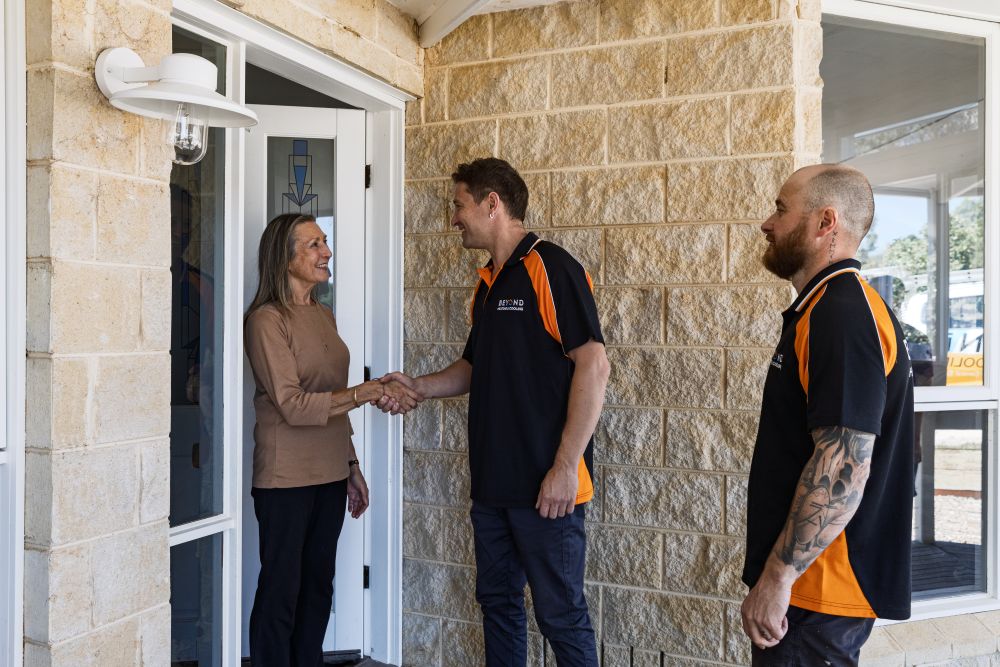
An in-home assessment provides a more precise measurement than an online square-metre calculator, as it considers specific variables that a calculator can only estimate. A technician visits your home, evaluates ceiling heights, inspects your insulation and glazing, measures rooms, and designs duct runs and zoning based on your unique layout. An online tool relies solely on the numbers you provide; it cannot account for features like your west-facing glass wall or uninsulated ceiling from the 1960s.
This level of precision is why we deliver quotes after assessing your home. Our pricing is all-inclusive: it encompasses GST, ductwork, grilles, and any applicable rebates, ensuring that the figure you receive represents the final cost. For reference, Beyond’s systems start at approximately $6,300 and can reach around $10,380 for larger premium units, but your home’s specifics will determine your unique quote. The assessment is free and comes with no obligation.
One important note: we are licensed mechanical plumbers responsible for managing the gas and refrigerant aspects of these installations, focusing solely on supplying, installing, and upgrading ducted heating and cooling systems. If you are seeking an accurate quote for your home, the in-home assessment is a crucial step.
Related: book your assessment.

Common Questions About Ducted Heating Systems
What Is the Average Lifespan of a Ducted Heating System?
A well-installed and appropriately sized reverse-cycle ducted system typically lasts between 10 to 15 years, and sometimes even longer with light usage. Correct sizing contributes to longevity, as a properly sized system does not endure constant strain or short-cycling. In contrast, oversized or undersized units tend to deteriorate more quickly, making it essential to achieve the right size during installation to safeguard your investment over time.
Can a Single Ducted System Provide Both Heating and Cooling?
Certainly. A reverse-cycle refrigerated ducted system can deliver both heating in winter and cooling in summer using the same equipment and ductwork. It functions as a single system with dual capabilities, which is why we size it as a comprehensive solution rather than separate units. The sizing accommodates your heating load, and the same capacity manages cooling requirements throughout the warmer months in Melbourne.
Is It True That Bigger Is Always Better When Selecting Capacity?
No, this is a common misconception. An oversized system incurs higher initial costs and short-cycles, frequently turning on and off, leading to energy waste and reduced lifespan. An undersized system fails to provide adequate warmth during cold mornings. The optimal size aligns with your home’s measured heat load. Zoning further enhances the efficiency of that correctly sized system across different areas of the house.
Does My Suburb Really Affect the Size I Need?
Yes, it does. Colder and higher-altitude areas in Melbourne require a larger heat load compared to inner and bayside suburbs. A home located in the Yarra Valley or at an elevated site like Kinglake experiences colder design temperatures than a similar home closer to the city, necessitating additional capacity to maintain warmth. We factor in your location during the sizing calculation.
Why Can’t You Provide a Quote Over the Phone?
An accurate quote requires knowledge of the correct size, and determining the appropriate size necessitates a visit to your home. Factors such as ceiling height, insulation, glazing, and layout all influence the final number. While we can inform you that Beyond’s systems begin around $6,300 and can reach up to about $10,380, the specific details of your home will ultimately dictate your final quote. The free in-home assessment is the best method to ensure accuracy.
Do You Provide Services or Repairs for Existing Systems?
No, our focus is exclusively on new installations, replacements, and upgrades. If your current ducted system is no longer effective, or if you are building or renovating, we can assist by sizing and installing a system that fits your home properly. We do not offer repair, cleaning, or maintenance services for existing units.
Original Article First Published At: How to Size a Ducted Heating System for Your Melbourne Home
The Article: Sizing a Ducted Heating System for Your Melbourne Home first appeared on https://writebuff.com
The Article Ducted Heating System Sizing for Your Melbourne Home Was Found On https://limitsofstrategy.com
No responses yet