Enhance Your Understanding of Cultural Sensitivity for Improved User Engagement
What Is Cultural Sensitivity and Why Does It Matter for Effective Interactions?
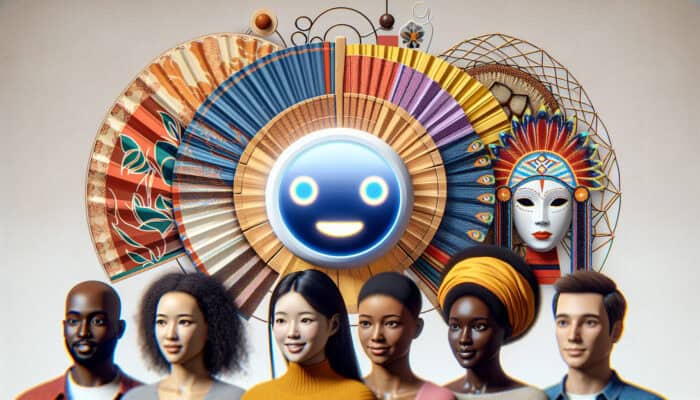
Cultural sensitivity is the capacity to acknowledge, comprehend, and value the diverse cultural backgrounds of individuals. This vital awareness profoundly enhances communication and interaction, especially in virtual settings. In the realm of human virtual assistant interactions, it is essential to grasp the subtle distinctions that various cultures contribute to conversations and service expectations. Embracing cultural sensitivity transcends mere recognition of diversity; it necessitates a deep engagement with the values, beliefs, and behaviours that define different cultural groups. A thorough understanding of these components can greatly enhance how virtual assistants connect with users from various backgrounds, resulting in significantly improved user satisfaction.
Key elements of cultural sensitivity encompass:
- Awareness of Diversity: Understanding that individuals carry unique cultural identities shaped by aspects such as ethnicity, religion, and geographic location.
- Respect for Differences: Valuing and honouring diverse cultural practices and beliefs, even if they diverge from one's own.
- Effective Communication: Modifying communication styles to suit different cultural contexts, ensuring clarity and mutual understanding.
- Empathy: Recognising and appreciating the feelings and perspectives of individuals from diverse backgrounds.
- Adaptability: Being open to adjusting responses and behaviours in line with the cultural norms of users.
- Continuous Learning: Committing to ongoing education about various cultures to enhance interactions and service delivery.
These fundamental components underscore the critical role of cultural sensitivity in fostering a more inclusive environment for users globally. By embracing this understanding, organisations can improve communication and build trust, leading to enriched user experiences with virtual assistants.
Why Is Cultural Awareness Vital for the Success of Virtual Assistants?
Cultural awareness is essential for virtual assistants, as it empowers them to tailor their responses and services in a manner that resonates with users from a myriad of cultural backgrounds. By recognising and validating the cultural contexts in which users operate, virtual assistants can offer more relevant support, thereby significantly enhancing user satisfaction and engagement. This tailored approach extends beyond mere language translation; it encompasses a nuanced understanding of cultural subtleties, traditions, and social norms that inform user expectations and interactions.
Integrating cultural awareness into the design and functionality of virtual assistants yields numerous benefits. Primarily, it enriches the user experience by making interactions more relatable and meaningful. For example, virtual assistants that grasp local customs can provide contextually appropriate suggestions and advice, ensuring that users feel valued and understood. This level of understanding fosters loyalty and trust, as users are more inclined to engage positively with an assistant that acknowledges their cultural needs, leading to greater utilisation of its features.
Furthermore, cultural awareness plays a crucial role in reducing misunderstandings that may arise from cultural differences. Virtual assistants that are attuned to the nuances of cultural interactions can navigate conversations more adeptly, avoiding potential faux pas that might alienate users. Ultimately, the significance of cultural awareness extends beyond customer service; it shapes the overarching perception of the brand behind the virtual assistant, positioning it as a frontrunner in inclusivity and user-centric design.
How Can Cultural Competence Be Cultivated in Virtual Assistants?
In our increasingly interconnected world, virtual assistants must endeavour to develop cultural competence, which encompasses the ability to understand, communicate effectively, and interact respectfully with individuals from diverse cultural backgrounds. Cultivating cultural competence is not a one-off task; it represents an ongoing commitment to learning and adaptation, necessitating an understanding of varying cultural norms and values.
Building cultural competence involves several essential practices. Organisations should invest in comprehensive training programmes focused on cultural education for teams tasked with the design and implementation of virtual assistants. These training initiatives can cover a wide array of subjects, from cultural history to contemporary social issues, ensuring that team members are well-informed about the cultures they are designing for. Additionally, promoting cultural exchange within teams can enhance the understanding of diverse perspectives, proving invaluable during the development phase.
Moreover, organisations can bolster cultural competence by involving culturally diverse teams in the creation of virtual assistants. Engaging individuals from various cultural backgrounds yields richer insights and perspectives, ultimately leading to a more robust product. Enhancing cultural competence not only improves service delivery but also aligns the virtual assistant with core values of inclusivity and respect, which are essential for effectively engaging a global audience.
What Strategies Can Be Implemented to Enhance Cultural Sensitivity?

Implementing effective strategies to enhance cultural sensitivity within virtual assistants is crucial for their success. One significant approach involves developing training programmes that specifically address the complexities of cultural interactions. These programmes equip virtual assistants with the tools necessary to navigate various cultural contexts proficiently. Training should incorporate role-playing scenarios that simulate diverse cultural interactions, allowing virtual assistants to practice responding appropriately in culturally sensitive manners.
In addition to training, fostering cultural exchange serves as a potent strategy. By encouraging team members to share their cultural experiences and insights, organisations can cultivate an environment of continuous learning. This organic sharing of knowledge can lead to the identification of cultural trends and preferences, informing the development of more inclusive AI responses. Furthermore, employing culturally diverse teams significantly enhances the sensitivity of virtual assistants, as diverse teams provide different perspectives that illuminate potential cultural misunderstandings, thereby improving overall interaction quality.
Monitoring and adapting to cultural feedback represents another essential strategy for enhancing cultural sensitivity. By implementing robust feedback mechanisms, organisations can gather insights from users regarding their experiences with virtual assistants. This feedback should be thoroughly analysed to identify areas for improvement, allowing for the continuous evolution of the assistant’s capabilities. Additionally, integrating multilingual support can significantly enhance cultural sensitivity, enabling virtual assistants to cater effectively to users from various linguistic backgrounds. This not only improves user experience but also bridges gaps between cultural groups, fostering a more inclusive environment.
Insights from Experts on Cultural Sensitivity in Virtual Assistant Interactions
How to Effectively Incorporate Cultural Knowledge into Virtual Assistants
Integrating cultural knowledge into the programming of virtual assistants can dramatically enhance user experiences. By embedding cultural insights within the design and functionality of these assistants, developers can ensure that users receive responses which are not only relevant but also deeply resonate with their cultural backgrounds. This practice is becoming increasingly vital in today's global marketplace, where users hail from diverse backgrounds and have varying service expectations.
Real-world examples illustrate the effectiveness of culturally informed virtual assistants. For instance, in regions where certain religious practices dictate daily routines, virtual assistants that offer time-sensitive suggestions, such as reminders for prayer times, have shown increased user engagement. Similarly, virtual assistants designed to recognise and respond to local holidays and festivals demonstrate an understanding of cultural significance, thereby enhancing user satisfaction. This level of cultural integration in responses elevates the quality of interaction and fosters a sense of belonging among users, making them feel acknowledged and valued.
Moreover, brands that proactively incorporate cultural knowledge into their virtual assistants often experience a positive return on investment. Users are more inclined to engage with a service that understands their cultural context, leading to heightened loyalty and brand trust. This strategy exemplifies how a deep understanding of cultural nuances can transform the user experience and position a brand as a leader in cultural sensitivity and inclusivity within the digital landscape.
What Effective Training Methods Can Enhance Cultural Sensitivity?

Training virtual assistants to recognise and respect cultural differences is paramount for elevating service quality and preventing misunderstandings. Effective training programmes are essential for instilling a robust sense of cultural awareness in virtual assistants. These initiatives can encompass a blend of theoretical education and practical applications, aimed at equipping virtual assistants with the skills necessary to deftly navigate diverse cultural contexts.
One of the most impactful training methods involves immersive learning experiences, where virtual assistants encounter various cultural scenarios. This could range from simulations of real user interactions to role-playing exercises that focus on specific cultural challenges. By facing these situations in a controlled environment, virtual assistants can enhance their problem-solving skills and develop culturally appropriate responses. Additionally, continuous training that incorporates the latest cultural trends and social movements ensures that these assistants remain relevant and sensitive to users’ needs.
Moreover, incorporating user feedback into training programmes can significantly amplify their effectiveness. Analyzing interactions with users from diverse backgrounds can reveal insights into common cultural pitfalls and opportunities for enhancement. By integrating this feedback into future training sessions, organisations can ensure their virtual assistants are constantly evolving and adapting to cultural dynamics. This dynamic approach to training leads to a more culturally sensitive virtual assistant, greatly improving user satisfaction and engagement.
How Can Cultural Sensitivity Be Measured Effectively?
Cultural sensitivity can be measured through a combination of user feedback mechanisms and performance metrics that evaluate a virtual assistant's ability to navigate diverse cultural contexts effectively. Gathering user feedback is a crucial aspect of measurement; organisations can deploy surveys, interviews, and direct feedback systems to collect insights regarding users' experiences. This feedback should focus on specific cultural interactions and users’ perceptions of the assistant’s responses.
Performance metrics may include tracking user engagement levels, response times, and the accuracy of the assistant's culturally relevant outputs. Analysing this data can yield a quantitative assessment of cultural sensitivity. For example, if users consistently rate their interactions as unsatisfactory due to cultural misunderstandings, this indicates a pressing need for improvement. Additionally, organisations can monitor social media and online reviews to gauge public perception of the assistant’s cultural sensitivity, providing a more comprehensive view of its effectiveness.
Furthermore, conducting regular cultural audits can also prove beneficial. These audits involve systematically reviewing the virtual assistant’s interactions for cultural appropriateness, identifying areas for improvement. By employing these measurement techniques, organisations can establish a feedback loop that nurtures continuous improvement in cultural sensitivity, ultimately leading to enhanced user experiences and satisfaction.
Effective Strategies for Enhancing Cultural Sensitivity
Developing Culturally Inclusive Content for Virtual Assistants
Creating culturally inclusive content is a fundamental strategy for improving the relevance and effectiveness of virtual assistant interactions. Content that reflects and respects various cultural perspectives not only boosts user engagement but also cultivates a sense of inclusivity and appreciation among users. When virtual assistants provide content that resonates with users' cultural backgrounds, it establishes a more meaningful connection and allows for richer interactions.
To achieve this, organisations should prioritise integrating diverse voices and perspectives into the content creation process. Collaborating with individuals from varied cultural backgrounds ensures that the content accurately represents their experiences and values. Furthermore, utilising culturally relevant examples, idioms, and references can significantly enhance the relatability of the content, making it more accessible to users. For instance, a virtual assistant that acknowledges the significance of local customs in holiday celebrations can tailor its responses accordingly, providing users with pertinent information during these periods.
Moreover, organisations should continuously review and update their content to reflect evolving cultural norms and trends. Cultural relevance is not static; it changes over time due to social movements, generational shifts, and other factors. By remaining attuned to these transformations, virtual assistants can maintain their relevance and effectiveness in communication. This proactive approach to content development not only enhances the user experience but also positions the organisation as a forward-thinking entity that values cultural diversity and inclusion.
What Are Effective Cultural Sensitivity Training Methods?
Effective training methods for cultural sensitivity encompass various educational and experiential strategies designed to instil a profound understanding of cultural nuances in virtual assistants. One highly effective method is role-playing, where team members simulate different cultural scenarios to practice responses and behaviours in a safe environment. This interactive approach enables participants to gain insights into the perspectives of users from various cultural backgrounds and how to respond appropriately.
Cultural immersion experiences represent another powerful training method. Immersion can involve exposure to different cultural settings, allowing participants to directly witness cultural practices. This firsthand experience can deepen understanding and empathy, as individuals observe the significance of cultural traditions and behaviours. Additionally, organisations can implement regular training updates to keep teams informed about current cultural trends and changes. Such updates ensure that virtual assistants remain relevant and responsive, thereby enhancing their interactions with users.
To implement these methods effectively, organisations should establish a structured training programme that comprises a mix of theoretical knowledge and practical applications. Regular assessments and feedback sessions can help gauge the effectiveness of the training, allowing for adjustments to be made as needed. By investing in comprehensive training methods, organisations can foster a culture of cultural sensitivity that permeates their virtual assistant development process, ultimately leading to a more inclusive user experience.
Monitoring and Adapting to Cultural Feedback for Continuous Improvement
Monitoring user feedback and adapting virtual assistant responses accordingly is critical for ensuring ongoing improvement in cultural sensitivity. Effective feedback mechanisms enable organisations to gather insights from users regarding their experiences, identifying areas where cultural misunderstandings may have arisen. By actively soliciting feedback through surveys, focus groups, or direct feedback options, organisations can gain valuable perspectives on the cultural appropriateness of assistant interactions.
Once feedback is collected, systematic data analysis is essential. This analysis should concentrate on recurring themes or patterns that may indicate cultural sensitivities that need addressing. For instance, if numerous users from a specific cultural background express dissatisfaction with how their cultural practices are acknowledged, this signals a need for improvement. Adapting virtual assistant responses based on this feedback ensures that the assistant evolves in line with user expectations and cultural norms.
Moreover, organisations should establish a regular review process for their virtual assistant interactions. This process can involve conducting cultural audits, where a team assesses interactions for cultural sensitivity. These audits help identify problematic areas and guide adjustments in the assistant’s programming. By maintaining an ongoing commitment to monitoring and adapting to user feedback, organisations can create a more culturally attuned virtual assistant experience that resonates with a diverse global audience.
Implementing Multilingual Support to Enhance Cultural Sensitivity
Implementing multilingual support constitutes an essential strategy for enhancing cultural sensitivity in virtual assistant interactions. Providing multiple language options not only caters to users from diverse linguistic backgrounds but also demonstrates a commitment to inclusivity. Users are more likely to engage with and trust a virtual assistant that communicates fluently in their language, as this greatly enhances their overall experience.
When developing multilingual support, organisations must ensure that translations extend beyond literal interpretations to encompass cultural appropriateness. This requires an understanding of regional dialects and cultural nuances that can influence language use. Engaging native speakers or cultural experts during the translation process can help ensure accuracy and relevance. Furthermore, organisations should consider the context in which the language will be employed, tailoring responses to reflect local customs and idiomatic expressions.
Additionally, implementing multilingual support transcends mere language; it involves crafting a culturally aware user interface that respects local practices and preferences. This might include adjusting visual elements and symbols to align with cultural aesthetics. By doing so, organisations create an environment where users feel comfortable and appreciated, ultimately enhancing their connection with the virtual assistant. In a globalised world, the provision of multilingual support is paramount for fostering inclusivity and ensuring that virtual assistants can effectively serve diverse user bases.
Promoting Cross-Cultural Team Collaboration for Deeper Insights
Encouraging cross-cultural team collaboration is a vital strategy for fostering a deeper understanding of cultural nuances in virtual assistant development. When diverse teams collaborate, they bring a wealth of perspectives, experiences, and ideas, leading to a more comprehensive understanding of cultural contexts. This collaborative approach not only elevates the quality of the virtual assistant but also ensures that it is sensitive to the needs of users from different backgrounds.
To promote cross-cultural collaboration, organisations should create an inclusive environment where team members feel encouraged to share their cultural experiences and insights. This can involve organising team-building activities that celebrate diverse backgrounds, facilitating open discussions about cultural differences, and encouraging members to collaborate on projects. Such initiatives can foster a sense of belonging and mutual respect among team members, enhancing the collaborative process.
Moreover, organisations should prioritise diverse hiring practices to ensure that teams reflect the populations they serve. A diverse team can provide invaluable insights into user needs, helping to identify potential cultural biases or misunderstandings in the assistant’s programming. By promoting cross-cultural collaboration, organisations can develop more culturally sensitive virtual assistants, ultimately leading to improved user experiences and satisfaction.
Exploring the Benefits of Cultural Sensitivity in Virtual Assistant Interactions
Enhancing User Trust and Loyalty Through Cultural Sensitivity
Enhancing user trust and loyalty through culturally sensitive interactions is crucial for organisations aiming to retain a robust user base. When virtual assistants demonstrate an understanding of users' cultural contexts, they establish a connection founded on mutual respect and understanding. This bond is fundamental to building trust; users are more likely to return to a service that acknowledges and validates their cultural identities.
Culturally sensitive interactions can lead to higher user retention rates, as individuals who feel understood and appreciated are more likely to engage consistently with a virtual assistant. This loyalty fosters positive word-of-mouth, as users tend to recommend services that respect their cultural backgrounds. As trust builds over time, organisations can cultivate long-lasting relationships with users, resulting in increased engagement and satisfaction.
Moreover, organisations that prioritise cultural sensitivity position themselves as leaders in inclusivity within the marketplace. This reputation not only attracts new users but also reinforces existing users' loyalty. Ultimately, enhancing user trust and loyalty through cultural sensitivity translates into tangible benefits for organisations, including increased market share and a strong, positive brand reputation.
Improving Communication Effectiveness Through Cultural Awareness
Improving communication effectiveness relies heavily on a clear understanding of cultural nuances, which can significantly enhance the quality of exchanges between virtual assistants and users. When virtual assistants are programmed to comprehend and respect cultural differences, they are better equipped to facilitate meaningful dialogues. This understanding allows for clearer communication, minimising the potential for misunderstandings that often arise from cultural disparities.
Culturally aware virtual assistants can adapt their language, tone, and style to suit various cultural contexts, ensuring that messages are received as intended. For example, in cultures where indirect communication is preferred, virtual assistants that adopt a subtler approach can enhance understanding and engagement. This adaptability not only improves the effectiveness of communication but also fosters a sense of respect and appreciation for diverse communication styles.
Furthermore, organisations focusing on improving communication effectiveness through cultural sensitivity can benefit from higher user satisfaction rates. Users are more likely to engage positively with a virtual assistant that aligns with their communication preferences, resulting in more fruitful interactions. By prioritising cultural understanding, organisations can create a more effective communication channel that enhances the overall user experience and builds stronger connections with their audience.
What Are the Long-Term Benefits of Cultural Sensitivity in Virtual Assistant Development?
The long-term benefits of cultural sensitivity extend far beyond initial user interactions, creating a sustainable framework for organisational success. One significant advantage is the cultivation of a more inclusive user base. By recognising and respecting cultural diversity, organisations can attract a broader audience, catering to the needs of various demographic groups. This inclusivity not only enhances market reach but also fosters loyalty among users who appreciate the cultural recognition.
Additionally, organisations that prioritise cultural sensitivity witness an improvement in their brand reputation. Users are more inclined to trust brands that demonstrate an understanding of cultural nuances, leading to increased brand loyalty and positive associations. This reputation can have a ripple effect, attracting new users who seek out inclusive and culturally aware services.
Moreover, sustained engagement with users from diverse backgrounds can yield valuable insights and innovations. Engaging with a variety of perspectives can inspire creative solutions, driving continuous improvement within the organisation. Ultimately, the long-term benefits of cultural sensitivity encompass not only enhanced user experiences but also significant organisational growth and resilience in an ever-evolving global landscape.
Fostering Global User Satisfaction Through Cultural Sensitivity
Fostering global user satisfaction revolves around the ability to tailor interactions to meet the diverse cultural backgrounds of users. By implementing culturally sensitive practices, organisations can create virtual assistants that resonate with users from various cultural contexts, ultimately enhancing their overall experience. This tailored approach is vital in a global marketplace, where a one-size-fits-all solution frequently falls short of addressing user needs.
Understanding and responding to cultural nuances enables virtual assistants to provide relevant recommendations, support, and information, leading to more meaningful interactions. For example, a virtual assistant that acknowledges local customs and traditions can offer pertinent advice or suggestions during significant cultural events, demonstrating an appreciation for the user’s background. This level of engagement fosters a sense of connection and loyalty, as users feel acknowledged and respected.
Furthermore, by fostering global user satisfaction, organisations can expand their market reach and enhance their competitive edge. A reputation for cultural sensitivity can attract users from diverse backgrounds, positioning the organisation as a leader in inclusivity. Ultimately, fostering global user satisfaction through culturally attuned interactions can lead to increased user engagement, loyalty, and overall organisational success in a rapidly changing global landscape.
Identifying and Addressing Challenges in Cultural Sensitivity
Identifying Cultural Biases in Virtual Assistant Algorithms
Identifying and addressing cultural biases within virtual assistant algorithms is a crucial step toward ensuring fair and respectful interactions. Cultural biases can manifest in various forms, ranging from the language employed to the underlying assumptions embedded in the assistant's programming. These biases can lead to misunderstandings and alienation of users from different cultural backgrounds, ultimately impacting the quality of service provided.
To effectively identify cultural biases, organisations should conduct comprehensive audits of their virtual assistant's interactions. By analysing data from user interactions, organisations can pinpoint areas where cultural misunderstandings frequently occur. This analysis should focus on identifying patterns that indicate biased responses or cultural insensitivity, enabling organisations to address these issues proactively. Engaging with cultural experts or stakeholders from diverse backgrounds can also yield valuable insights into potential biases that may not be evident through data analysis alone.
Moreover, organisations should foster a culture of continuous improvement, where identifying and addressing cultural biases becomes integral to the development process. Regular training sessions that emphasise cultural awareness and sensitivity among team members ensure that biases are acknowledged and addressed. By proactively identifying and correcting cultural biases, organisations can create a more respectful and inclusive virtual assistant experience for users from diverse backgrounds.
Overcoming Language Barriers in Virtual Assistant Interactions
Overcoming language barriers is essential for enhancing cultural sensitivity in virtual assistant exchanges. Effective communication is pivotal in building relationships with users, and language differences can often hinder this process. Virtual assistants that can navigate multiple languages and dialects are better equipped to engage with diverse user bases, ultimately improving the user experience.
Utilising advanced language processing technologies can significantly bolster a virtual assistant's capability to understand and respond accurately to different languages. Implementing natural language processing (NLP) techniques enables assistants to interpret user inputs more effectively, leading to more precise and contextually appropriate responses. Additionally, incorporating machine learning algorithms allows virtual assistants to learn from user interactions, improving their ability to handle language variations and colloquialisms over time.
Moreover, organisations should consider providing multilingual support as a core feature of their virtual assistants. This includes not only translating text but ensuring that the content is culturally relevant and appropriate for different audiences. Engaging native speakers in the translation process can help ensure accuracy and cultural resonance, leading to a more effective communication channel. By overcoming language barriers, organisations can foster a more inclusive environment, enhancing the overall user experience and satisfaction.
How Can Cultural Misunderstandings Be Mitigated Effectively?
Cultural misunderstandings can be mitigated through the implementation of robust feedback systems and continuous learning algorithms that adapt to user cultural contexts. Establishing effective feedback mechanisms allows users to communicate their experiences and highlight areas where cultural insensitivity may have occurred. By actively soliciting input from users, organisations can identify recurring issues and make necessary adjustments to improve interactions.
Additionally, integrating continuous learning algorithms into virtual assistants enhances their ability to adapt to diverse cultural contexts. These algorithms can analyse user interactions to identify patterns and trends, enabling the assistant to refine its responses over time. By learning from past interactions, virtual assistants can minimise the risk of misunderstandings and provide more culturally appropriate responses in future exchanges.
Moreover, organisations can establish protocols for addressing cultural misunderstandings when they occur. Providing users with clear channels for reporting issues can facilitate prompt resolutions and demonstrate a commitment to cultural sensitivity. By continuously monitoring user interactions and adapting based on feedback, organisations can foster a more respectful and inclusive virtual assistant experience.
Promoting Inclusive Design in Virtual Assistant Development
Promoting inclusive design within virtual assistants is essential for ensuring that diverse cultural backgrounds are taken into account, ultimately enhancing user experience and cultural sensitivity. Inclusive design focuses on creating products that are accessible and relevant to a wide range of users, recognising the importance of cultural diversity in shaping user needs and preferences.
To promote inclusive design, organisations should engage users from various cultural backgrounds throughout the development process. This can involve conducting user research and testing with diverse groups to gain insights into their unique experiences and expectations. By incorporating feedback from a variety of perspectives, organisations can create virtual assistants that resonate with users from different cultural contexts.
Additionally, organisations should prioritise the use of culturally relevant imagery, language, and content in their virtual assistants. This includes avoiding stereotypes and ensuring that representations accurately reflect the diversity of users. By fostering inclusivity in design, organisations can create a virtual assistant experience that resonates with a broader audience, ultimately leading to higher user satisfaction and engagement.
Future Trends and Cultural Sensitivity in Technology
How Do Advancements in AI Impact Cultural Sensitivity?
Advancements in AI technology have the potential to revolutionise the understanding and application of cultural sensitivity in virtual assistant interactions. As machine learning algorithms become increasingly sophisticated, virtual assistants can learn to navigate complex cultural contexts with greater accuracy and empathy. This evolution allows for a more nuanced understanding of user needs, preferences, and cultural subtleties, ultimately leading to more effective interactions.
One of the key advancements is the development of context-aware AI, which can analyse situational factors influencing user interactions. By recognising cultural cues and adapting responses accordingly, these AI systems can enhance the overall user experience. For example, context-aware virtual assistants might adjust their tone and level of formality based on the user's cultural background, resulting in more engaging and respectful interactions.
Moreover, advancements in natural language processing (NLP) enable virtual assistants to understand and respond to cultural idioms and expressions more effectively. This capability enriches communication, as assistants can offer culturally relevant suggestions and insights. As AI technology continues to evolve, the integration of cultural sensitivity into virtual assistants will become increasingly seamless, fostering deeper connections between users and technology.
What Role Will Cultural Sensitivity Play in Future Technologies?
Cultural sensitivity will play a critical role in the development of future technologies, ensuring that they are inclusive and respectful of diverse user bases. As technology continues to advance and globalisation becomes more pronounced, the demand for culturally attuned solutions will rise. Users will increasingly expect virtual assistants and other technologies to grasp and respect their unique cultural contexts, making cultural sensitivity a fundamental aspect of product design and development.
Organisations prioritising cultural sensitivity in their technological offerings will be better positioned to succeed in the marketplace. By recognising the importance of inclusivity and understanding diverse perspectives, these organisations can build stronger relationships with users and foster loyalty. Furthermore, as concerns surrounding ethical considerations in technology grow, cultural sensitivity will be vital for ensuring fair and equitable access to digital services.
Ultimately, the role of cultural sensitivity in future technologies extends beyond mere compliance; it embodies a commitment to creating products that resonate with a global audience, enhancing overall user experiences and satisfaction.
Preparing for Evolving Cultural Norms in Technology
Preparing virtual assistants for evolving cultural norms necessitates ongoing research and updates to maintain relevance and effectiveness. Cultural norms are not static; they evolve over time due to societal changes, shifting values, and emerging trends. To remain effective, virtual assistants must be equipped to adapt to these changes, ensuring that their interactions remain culturally attuned.
Organisations should engage in continuous research to stay informed about cultural shifts and emerging trends. This research can involve monitoring cultural discussions on social media, conducting surveys, and engaging with cultural experts. By staying attuned to evolving norms, organisations can proactively update their virtual assistants to reflect changing user expectations and preferences.
Moreover, developing agile systems that allow for quick updates and adjustments is crucial. This can involve implementing flexible programming that enables virtual assistants to incorporate new cultural insights and respond to changing user needs. By fostering a culture of adaptability, organisations can ensure that their virtual assistants remain relevant and effective in an ever-changing cultural landscape, ultimately enhancing user satisfaction and engagement.
FAQs on Cultural Sensitivity in Virtual Assistants
What is cultural sensitivity in virtual assistant exchanges?
Cultural sensitivity in virtual assistant exchanges refers to the understanding and respect for diverse cultural backgrounds, enhancing communication and interaction with users from various cultures.
Why is cultural awareness important for virtual assistants?
Cultural awareness is crucial as it enables virtual assistants to tailor their responses and services effectively, leading to improved user satisfaction and engagement.
How can organisations build cultural competence in virtual assistants?
Organisations can build cultural competence through continuous learning, training programmes, and employing culturally diverse teams to enhance their understanding and adaptability.
What strategies can enhance cultural sensitivity in virtual assistants?
Strategies include implementing training programmes, encouraging cultural exchange, monitoring user feedback, and developing culturally inclusive content.
How can cultural knowledge be incorporated into virtual assistants?
Cultural knowledge can be incorporated by programming virtual assistants to recognise local customs, holidays, and cultural practices, enhancing user experience through relevant responses.
What are effective training methods for cultural sensitivity?
Effective training methods include role-playing, cultural immersion experiences, and regular updates on cultural trends to keep teams informed and responsive.
How can organisations measure cultural sensitivity in virtual assistants?
Cultural sensitivity can be measured through user feedback mechanisms and performance metrics that assess the assistant's ability to handle diverse cultural contexts.
What are the long-term benefits of cultural sensitivity?
Long-term benefits include a more inclusive user base, improved brand reputation, and sustained user engagement, leading to organisational growth.
How can cultural misunderstandings be mitigated in virtual assistant interactions?
Cultural misunderstandings can be mitigated by implementing robust feedback systems and continuous learning algorithms that adapt to user cultural contexts.
What role will cultural sensitivity play in the future of technology?
Cultural sensitivity will be vital in future technologies, ensuring they are inclusive and respectful of diverse user bases, enhancing user experiences and satisfaction.
Explore our content on YouTube!
The Article Cultural Sensitivity in Human Virtual Assistant Exchanges First Published On: https://vagods.co.uk
The Article Cultural Sensitivity in Virtual Assistant Interactions Was Found On https://limitsofstrategy.com
No responses yet