Discover Delightful Spring Picnic Recipes Loved by All
Key Ingredients for Wholesome and Delicious Picnic Fare
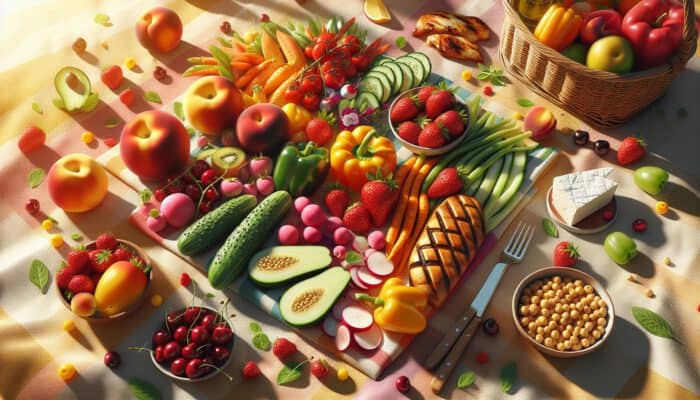
Creating vibrant and nutritious picnic meals begins with selecting the finest ingredients. The success of your picnic hinges on the freshness and quality of these components. Opt for seasonal fruits such as strawberries, cherries, and peaches, which not only provide delightful flavours but also deliver essential vitamins and minerals vital for your health. Incorporate crunchy vegetables like cucumbers, radishes, and bell peppers to add a refreshing crunch to your dishes. Include protein sources such as grilled chicken, chickpeas, or feta cheese to enhance your meals, ensuring they are both nutritious and satisfying.
Striking the ideal balance of flavours and textures is essential for a memorable picnic experience. Aim for a harmonious mix of sweet, salty, and tangy elements in your recipes. For instance, pairing sweet fruits with salty cheeses creates a delightful contrast that awakens the taste buds. When choosing proteins, prioritise both flavour and portability; options like grilled chicken skewers or quinoa salads are perfect, as they travel exceptionally well. Additionally, incorporating fresh herbs and spices not only enhances depth but also brings vibrancy to your picnic meals, transforming them into a celebration of the abundant flavours of spring.
To facilitate a smooth outdoor dining experience, keep your preparations simple and efficient. Pre-chop vegetables and store them in airtight containers to maintain their freshness. Choose ingredients that are sturdy yet flavourful, ensuring they withstand travel without losing their appeal. The right combination of ingredients not only elevates your meals but also transforms your picnic into a beautiful feast that showcases the splendour of spring.
What Are the Best Recipes for Spring Picnics?
Spring provides an excellent opportunity to indulge in lighter, seasonal dishes that highlight the freshness of the season. Recipes featuring vibrant, raw fruits and vegetables are ideally suited for picnics, as they maintain their quality even after being packed. Dishes such as fresh salads, grain bowls, and wraps challenge you to creatively mix a variety of flavours and textures while keeping your meal light and refreshing. For instance, preparing a quinoa salad with seasonal vegetables and a citrus dressing not only delivers fantastic taste but also ensures ease of transportation.
In addition to salads, consider incorporating items like pita pockets, cold pasta salads, or antipasto platters into your picnic spread. These diverse options cater to various tastes while fostering sharing and interaction during the meal. Ensure you select recipes that are easy to assemble and enjoy outdoors, as simplicity significantly enhances the overall picnic experience.
Moreover, it is crucial to think about how the food will hold up over time. Avoid ingredients that wilt quickly or require extensive refrigeration. Instead, focus on recipes that include sturdy greens, grains, and proteins that can endure hours of packing without losing their charm. The key to a successful spring picnic lies in ensuring that every dish is not only delicious but also practical for outdoor enjoyment.
Smart Packing Techniques for Your Picnic Recipes
Implementing effective packing techniques is critical to ensuring your picnic remains enjoyable and stress-free. One of the best practices is to organise items by grouping similar foods together. This not only prevents spoilage but also allows for easy access to your picnic essentials. For example, keep all the condiments in one container and the cutlery in another. Using clear, labelled containers streamlines your setup, making it easier to find items when it’s time to dine.
When considering lightweight options that travel well, think about using stackable containers or reusable bags. These solutions save space and reduce the risk of food crushing. Packing items like wraps or sandwiches in parchment paper helps maintain their freshness while making them easy to manage. Additionally, incorporating a cooler or insulated bag assists in maintaining the ideal temperature for perishable items, especially salads with dressings or cheeses that can spoil if left out for too long.
- Utilise sturdy, stackable containers for effortless transportation.
- Keep perishable items cool with insulated bags.
- Label containers for quick identification.
- Protect sandwiches by wrapping them in parchment paper.
- Include utensils and napkins in easily accessible compartments.
- Group similar foods to simplify serving.
By adopting these strategies, you enhance your picnic experience, ensuring that food stays fresh and enjoyable from packing through dining. A well-organised event reduces stress and creates a more pleasurable atmosphere, allowing participants to fully savour the beauty of springtime outdoor gatherings.
How Can You Create Seasonal Variations for Your Picnic Recipes?

Spring signifies renewal, and your picnic recipes can reflect this freshness by incorporating seasonal ingredients. For those residing in Australia, consider using native herbs such as lemon myrtle or wattleseed to craft unique flavour profiles that pay homage to the local landscape. These ingredients can transform classic recipes into something truly special, adding a modern twist that highlights the season's bounty while simplifying preparation.
Experimenting with seasonal fruits and vegetables can lead to delightful surprises in flavour and texture. For instance, crafting a salad with fresh apricots, mint, and feta offers a refreshing burst of taste that perfectly complements a sunny day. Alternatively, a wrap filled with roasted seasonal vegetables and a smear of hummus creates a satisfying, portable meal that showcases the best of spring produce.
To keep preparations straightforward, focus on recipes that require minimal cooking. Many spring ingredients can be enjoyed raw or lightly cooked, preserving their vibrant colours and flavours. This not only saves time but also guarantees your meals are as fresh as possible. By embracing local and seasonal produce, your picnic will taste fantastic while supporting sustainable practices, positively impacting both your palate and the environment.
Tips for Preparing Picnic Recipes
Crucial Steps for Efficient Meal Preparation
Effective meal preparation is vital for a successful picnic, allowing you to relish the day rather than feeling overwhelmed by last-minute tasks. Begin by selecting recipes that can be easily prepared in advance. This may involve chopping vegetables, marinating proteins, or pre-assembling salads. By dedicating time before your picnic to prep these components, you streamline the process and ensure a more enjoyable outing.
It is also essential to preserve the taste and appearance of your prepped ingredients. For instance, applying lemon juice to cut fruit prevents browning and keeps it visually appealing. Packing items in separate containers helps maintain freshness and prevents salads from wilting. Dressings can be stored separately and added just before serving, ensuring that your greens remain crisp and vibrant.
Preparing simple components allows for flexibility when assembling meals at your picnic site. You can mix and match ingredients as desired, catering to different tastes while keeping the effort minimal. This flexibility not only enhances your picnic experience but also reduces food waste by allowing you to adjust portion sizes according to your group’s appetite. Ultimately, thoughtful meal prep transforms your picnic from a chore into a delightful culinary experience, making it a memorable occasion.
How Can You Keep Packed Meals Fresh?
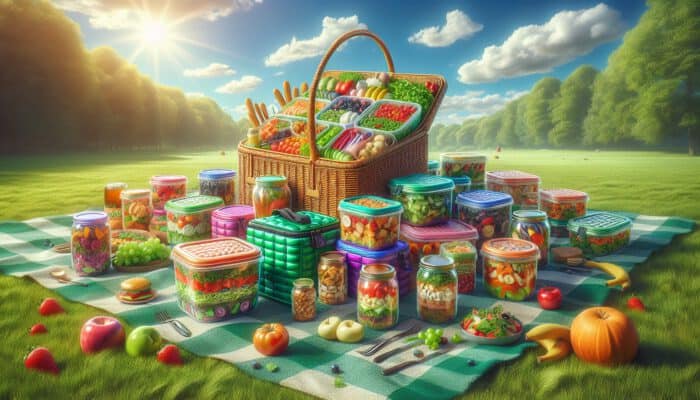
Maintaining freshness in packed meals is crucial for an enjoyable picnic experience. The secret lies in effectively managing moisture and temperature, as these elements can lead to soggy or spoiled food. One effective method involves using breathable containers that permit air circulation to prevent condensation buildup. For items like salads, consider using containers with compartments to keep wet ingredients separate until serving.
Temperature control is equally important. Employ ice packs or insulated bags to keep perishables fresh and maintain meal quality. For example, protein-rich salads should remain cool to prevent bacterial growth, while fruits can retain their juiciness when stored properly. Additionally, contemplate using jars for layered salads, which not only look appealing but also help keep ingredients fresh by creating a barrier between wet and dry elements.
Other techniques include wrapping sandwiches in foil or parchment paper, which helps retain moisture while preventing them from becoming mushy. By employing these strategies, you ensure that every bite of your picnic meal is as delightful as intended, allowing you to fully immerse yourself in the beauty of spring and the joy of dining outdoors.
Effortless Assembly Techniques for Picnic Meals
When it comes to picnics, simplicity is essential. Decomposing recipes into easy-to-assemble components can significantly enhance your outdoor dining experience. For instance, instead of preparing a fully assembled sandwich that may become soggy, consider packing individual components such as bread, spreads, and fillings separately. This enables you to assemble the sandwich on-site, ensuring each bite is fresh and satisfying.
Another effective technique is to pre-portion snacks and sides into small containers or bags. This not only simplifies serving but also facilitates sharing among picnic-goers. Items like cheese cubes, cut vegetables, or fruit slices can be neatly packed, providing easy access for everyone. By simplifying assembly, you minimise hassle and create a more enjoyable picnic experience.
Consider also using skewers for easy-to-eat, minimally grilled vegetables, fruits, or proteins, which create visually appealing bites that are easy to handle without cutlery. This approach not only adds an element of fun but also encourages mingling and sharing among guests, enriching the overall picnic experience. Emphasising speed in your assembly techniques allows for a relaxed, enjoyable day outdoors, focusing on connection rather than preparation hassles.
What Factors Should You Consider When Selecting the Best Recipes?
Key Considerations for Recipe Selection
Choosing the right recipes for your picnic involves considering several key factors that contribute to a successful outing. Start by evaluating transportability; recipes should be portable without compromising their appeal. For example, dishes that can be served cold or at room temperature are ideal for picnics, eliminating the need for complicated heating methods or extensive serving setups.
Cooking time is another crucial aspect to consider. Select recipes that can be quickly prepared or made in advance, allowing you to devote more time to enjoying the picnic rather than spending it in the kitchen. Opt for meals that emphasise seasonal ingredients, which are often quicker to prepare and require less extensive cooking techniques, such as roasting or baking. This approach ensures that your picnic remains uncomplicated and enjoyable.
Ingredient availability also plays a significant role in recipe selection. Choosing ingredients that are in season not only enhances the flavour of your dishes but also supports local farmers and reduces your carbon footprint. When planning your picnic menu, take advantage of farmers' markets or grocery stores that offer fresh produce to ensure your meals are both delicious and sustainable. By carefully considering these factors, you create a picnic menu that is stress-free, appealing, and aligned with the joys of springtime dining.
How Can You Achieve a Balance of Flavours and Textures in Picnic Dishes?
Striking the perfect balance of flavours and textures is essential for creating memorable picnic meals. A harmonious combination of sweet, savoury, and tangy elements can elevate your dishes from simple to extraordinary. For instance, pairing roasted vegetables with a drizzle of balsamic glaze adds a sweet touch that contrasts beautifully with their earthiness, creating a satisfying dish that invites seconds.
Consider incorporating crunchy elements, such as nuts or seeds, into your recipes. These additions not only provide texture but also offer a nutritional boost, enhancing the overall healthiness of your picnic spread. Furthermore, contrasting textures, like creamy dips alongside crisp vegetables, encourage a more engaging eating experience, appealing to various palates and preferences while keeping meals lively and exciting.
When crafting your picnic menu, be mindful of how different flavours interact. Using herbs and spices enhances the overall profile without overwhelming the dish. A sprinkle of fresh basil can brighten up a pasta salad, while a dash of cumin can add depth to a grain bowl. By experimenting with flavour combinations and focusing on texture, you can create a delicious and diverse picnic spread that captivates the senses and leaves a lasting impression.
How to Customise for Groups at Your Picnic?
Customising based on group size is an essential aspect of picnic planning that ensures inclusivity and personalisation. Start by assessing guests' preferences and dietary restrictions. This allows you to create a diverse menu that caters to various tastes and needs. For example, offering both vegetarian and non-vegetarian options accommodates different dietary preferences while keeping everyone satisfied.
When considering portion sizes, aim for a flexible approach. Recipes that can be easily scaled up or down are ideal for picnics, as they enable you to adjust based on the number of attendees without compromising quality. For instance, a pasta salad recipe can be doubled or halved depending on your guest count, ensuring there’s enough for everyone while minimising costs by encouraging guests to bring a dish to share, fostering a sense of community and making the event more inclusive. This practice lightens your load while adding variety to the menu, allowing everyone to showcase their culinary skills. By focusing on customisation, you enhance the picnic experience, ensuring that all guests feel valued and satisfied.
Expert Tips for Selecting the Best Ingredients for Your Picnic Recipes
Choosing Quality Ingredients for Richer Flavours
Selecting high-quality ingredients can significantly improve your picnic recipes, enhancing both taste and longevity. Opt for organic produce whenever possible, as they often retain more flavour and nutrients. For proteins, consider sourcing free-range or grass-fed options that not only taste better but also come from sustainable farming practices, which are kinder to the environment.
When selecting grains or legumes, go for whole-food varieties that are packed with health benefits. Quinoa, farro, and lentils not only provide a hearty base for salads and side dishes but also add a nutty flavour that complements many spring ingredients. Fresh herbs should not be overlooked; using locally sourced herbs can enhance the freshness of your dishes, making them stand out at your picnic.
Another aspect to consider is the origin of your ingredients. Sourcing items from local farmers' markets not only supports the community but also ensures that your food is at its freshest. These choices often enhance taste and texture, resulting in a more enjoyable dining experience. By prioritising quality ingredients, you enhance the appeal of your picnic meals and create a culinary experience that celebrates the essence of spring.
Maximising Preparation Efficiency for Your Picnic
Optimising picnic preparation can significantly impact the freshness of your picnic meals. Timing is crucial; plan when to prepare each component so everything is at its peak freshness when you pack for the picnic. For instance, making dips or dressings a day in advance allows their flavours to meld, while vegetables should be cut as close to departure time as possible to maintain their crispness.
Utilising kitchen gadgets can also enhance your preparation process. A food processor can quickly chop vegetables or blend dressings, significantly reducing prep time. Additionally, using a vacuum sealer to package ingredients can extend shelf life by removing excess air and preventing oxidation and spoilage. This technique is particularly useful for items like salads, where maintaining crunch is essential.
Lastly, consider the assembly order. Preparing heavier items first, such as salads or grain bowls, allows lighter items like fruits or delicate greens to be added just before serving. This method not only preserves the integrity of your ingredients but also streamlines packaging, ensuring your meals remain fresh and appealing throughout your picnic.
Innovative Storage Solutions for Your Picnic Recipes
Modern storage solutions can dramatically enhance the effectiveness of your picnic packing, ensuring your recipes maintain their integrity while on the move. Innovative containers with multiple compartments let you separate meal components, preventing sogginess and preserving freshness. Look for leak-proof containers made from BPA-free materials for safer food storage.
Using insulated containers for hot or cold items can also improve the quality of your meals during the outing. For instance, thermoses are well-suited for soups or stews, keeping them warm until serving, while ice packs help keep salads or desserts chilled. This approach enhances flavour and increases food safety, reducing the risk of spoilage.
Furthermore, consider reusable silicone bags or wraps as alternatives to traditional plastic. These environmentally friendly options help keep food fresh while minimising waste through sustainable practices. By integrating these innovative storage solutions into your picnic planning, you improve the quality of your meals and contribute to a more sustainable environment, making your outdoor dining enjoyable and responsible.
What Ingredients Truly Enhance Spring Flavours?
Utilising Seasonal Produce to Elevate Flavours
Seasonal produce plays a crucial role in enhancing the flavours of your picnic recipes. In spring, vibrant fruits and vegetables like asparagus, peas, and strawberries reach their peak, offering a wealth of flavour that can transform ordinary dishes into extraordinary ones. Incorporating these ingredients not only elevates your meals but also aligns your menu with the natural rhythms of the season.
For instance, fresh strawberries, spinach, and goat cheese combine to create a salad that captures the essence of spring. Adding a light vinaigrette enhances the dish's brightness, making it a refreshing option for outdoor dining. Similarly, using young asparagus spears in a grain salad can provide a delightful crunch, balancing the textures beautifully with creamy dressings or toppings.
Other seasonal produce, like radishes or baby carrots, can be enjoyed raw with dips, highlighting their natural sweetness and crispness. Choosing local, seasonal ingredients ensures your meals are not only delicious but also environmentally responsible, reducing the carbon footprint of transporting food long distances. By thoughtfully incorporating seasonal produce, you create picnic recipes that celebrate the flavours of spring while promoting sustainability.
How Do Certain Herbs Add Depth to Your Recipes?
Herbs play a crucial role in elevating the flavours of your spring picnic recipes. Certain herbs, such as basil, mint, and parsley, add depth without overpowering the dish, enhancing the overall balance of flavours. These fresh additions can brighten simple meals, making them more vibrant and appealing for outdoor dining.
For example, fresh basil can transform a Caprese salad with its aromatic flavour, while mint adds a refreshing touch to fruit salads or yogurt-based dips. Incorporating herbs into dressings or marinades can elevate the taste of grilled proteins or vegetables, adding complexity and freshness to your picnic spread.
When selecting herbs for your recipes, consider how they complement the main ingredients. A well-balanced herb ratio can enhance the overall experience without overwhelming other flavours. Experimenting with different herb combinations can lead to delightful discoveries, creating unique flavour profiles that resonate with the season. By integrating herbs effectively, you add a layer of sophistication to your picnic meals, ensuring they are memorable and enjoyable.
Mixing Textures for a Captivating Picnic Experience
Experimenting with textures is a key strategy in creating appealing picnic recipes that delight the senses. Combining crunchy ingredients with creamy or tender components can elevate your dishes and create a dynamic eating experience. For instance, pairing crispy roasted chickpeas with a smooth avocado dip adds contrast and excitement to your picnic spread.
To achieve this balance, focus on ingredients that offer a variety of textures. Incorporate elements like toasted nuts, seeds, or croutons to provide crunch alongside softer ingredients like cheeses or dips. This approach not only enhances the eating experience but also keeps guests engaged, allowing them to enjoy each bite fully.
- Use crunchy vegetables such as carrots or celery to contrast with creamy dips.
- Incorporate toasted seeds or nuts to add an extra layer of crunch.
- Mix tender grains with crisp greens for a varied mouthfeel.
- Layer different cheese textures, such as creamy and crumbly, in salads.
- Combine soft fruits like peaches with crunchy granola for desserts.
- Utilise crispy toppings to elevate the overall presentation and texture.
By thoughtfully mixing textures, you create a delightful array of picnic recipes that engage the palate and enhance the overall dining experience, making your spring gatherings truly memorable.
Research-Backed Benefits of Optimal Spring Picnic Recipes
Nutritional Advantages of Thoughtful Ingredient Choices
Choosing nutritious ingredients for your picnic recipes offers significant health benefits that enhance outdoor enjoyment. Many seasonal fruits and vegetables are rich in vitamins, minerals, and antioxidants, supporting overall well-being and vitality. For instance, incorporating leafy greens like spinach or kale can provide essential nutrients while boosting iron levels, making them an excellent base for salads.
Moreover, choosing whole grains and lean proteins helps create balanced meals that keep you energised on your outing. Foods like quinoa, chickpeas, and grilled chicken are not only filling but also nutrient-dense, supporting an active lifestyle. This focus on nutrition boosts mood and cognitive function, making for a more enjoyable picnic experience.
Incorporating a variety of colourful picnic recipes signifies a range of nutrients, ensuring your meals are both visually appealing and nutritionally robust. This vibrant approach not only satisfies the taste buds but also aligns with healthy eating principles, promoting long-term wellness and enjoyment during your outdoor gatherings.
Prolonging Freshness Through Proper Packing Techniques
Extending the freshness of your picnic meals is essential for maintaining quality and safety. Proper packing techniques can significantly affect how long your food remains enjoyable. Using airtight containers helps to keep moisture out and preserve flavours, while packing perishables with ice packs can prevent spoilage during warmer days.
Research shows that certain foods, such as cut fruit and salads, can lose their freshness quickly when exposed to the elements. By packing these items separately and using insulated bags, you can extend their shelf life and preserve their taste and texture. Additionally, incorporating vinegar-based dressings can help preserve the integrity of your greens, keeping them crisp and appealing.
Implementing these strategies not only enhances the overall quality of your picnic but also reduces food waste. By ensuring your meals stay fresh for longer, you create a more enjoyable dining experience while supporting sustainability efforts, making your outdoor gatherings even more rewarding.
Enhancing the Enjoyment Factors of Your Picnic
The enjoyment of a picnic can be greatly enhanced by carefully selecting recipes and ingredients. Studies suggest that well-prepared, visually appealing meals can elevate social interactions and create lasting memories at outdoor gatherings. Opting for colourful, delicious dishes can stimulate conversations and improve the overall atmosphere of your picnic.
Incorporating interactive elements, such as build-your-own sandwich stations or shared platters, encourages guest engagement. This approach fosters a sense of community and enhances the dining experience. Additionally, creating a themed menu can add an element of fun and excitement to your picnic, turning an ordinary outing into a memorable event.
By focusing on enjoying your picnic meals, you create an environment that fosters connections and memories. The right recipes, flavours, and presentation can transform a simple picnic into a cherished shared experience, emphasising dining outdoors in the beauty of spring.
Why Are Pre-Packed Recipes Beneficial for Spring Picnics?
Benefits of Pre-Packed Meals for Outdoor Gatherings
Pre-packed meals offer numerous advantages for spring picnics, making them a popular choice for outdoor gatherings. One of the main benefits is convenience: having everything ready allows you to focus on spending time with friends and family rather than on preparation. This convenience also reduces the stress of last-minute cooking or packing, which can detract from the overall enjoyment of the experience.
Additionally, pre-packed meals help minimise waste. By planning and portioning out meals, you can ensure that each guest receives an appropriate serving, reducing the likelihood of leftovers. This approach allows for better management of food resources, supporting sustainability while making your picnic more enjoyable.
Moreover, pre-packed meals can be designed for optimal freshness, utilising containers and appropriate storage methods to maintain flavour and quality. This consideration enhances the overall dining experience, ensuring that every dish is delicious and satisfying. Ultimately, the benefits of pre-packed meals significantly enhance the enjoyment of spring picnics, allowing you to fully relish the beauty of the season.
How Does Packing Impact the Enjoyment of Your Picnic Meals?
Proper packing is crucial for preserving flavours in your picnic meals. When food is packed correctly, it retains its intended taste and texture, ensuring a delightful dining experience outdoors. For instance, using airtight containers prevents air exposure, which can cause oxidation and flavour deterioration. This is particularly important for items like salads and dressings, where maintaining freshness is essential.
Moreover, the temperature at which food is stored during transport can significantly impact taste. Keeping perishables chilled with ice packs or insulated bags helps preserve their flavours and prevents spoilage. For example, a chilled pasta salad remains refreshing and vibrant, while warm or poorly packed items can lose their appeal and become unappetising. By utilising proper packing techniques, you ensure that your picnic meals taste as good as they should, allowing you to fully enjoy each bite amid the beauty of spring. Paying attention to these details enhances the flavour of your dishes and contributes to a memorable outdoor dining experience.
How Can You Adapt Recipes Based on Weather Changes?
Spring weather can be unpredictable; it's essential to adapt your picnic recipes accordingly. One effective strategy is to prepare dishes that can withstand varying temperatures, ensuring that your meals remain appealing regardless of conditions. For instance, opting for hearty salads with robust ingredients such as grains, beans, and seasonal vegetables helps them hold up well in warmer weather, preventing wilting and spoilage.
Additionally, consider packing items that can be enjoyed warm or cold. This versatility allows you to adjust to temperature changes, making it easier to adapt your menu as needed. Foods like grain bowls, wraps, and pasta salads are satisfying at any temperature, offering variety without compromising taste.
- Use insulated bags to keep food fresh in warm weather.
- Pack extra ice packs for items that need to stay cool.
- Avoid highly perishable items that may spoil quickly.
- Choose sturdy ingredients that can withstand temperature changes.
- Have a backup plan for indoor dining in case of rain.
- Consider portable cooking options for grilling or heating food on-site.
By incorporating these weather-proofing tips into your picnic planning, you can ensure your meals remain enjoyable regardless of the weather. This adaptability enhances the overall experience, allowing you to fully embrace the beauty of spring while enjoying delicious food outdoors.
Creative Variations for Spring Picnic Recipes
Refreshing Classic Dishes with Modern Twists
Reinventing classic recipes with contemporary twists can keep your picnic menu exciting and fresh. By updating traditional dishes, you can introduce new flavours while maintaining the essence of spring. For instance, consider creating a modern take on a classic potato salad by incorporating roasted garlic, fresh herbs, and a tangy vinaigrette instead of the traditional mayonnaise. This not only lightens the dish but enhances its flavour profile, making it a hit at your picnic.
Another approach is to experiment with different grains in familiar recipes. Instead of using rice in a standard salad, try quinoa or farro, which provide unique textures and nutritional benefits. These grains can absorb flavours beautifully, making your salads more dynamic and satisfying. This method not only adds variety to your meals but also aligns with contemporary dietary preferences, promoting health-conscious eating.
Additionally, don't hesitate to utilise seasonal ingredients to give classic dishes a fresh twist. Incorporating spring vegetables like asparagus or peas into pasta dishes or wraps can liven them up, providing bursts of flavour and colour. By updating classic dishes, you create a picnic spread that feels both nostalgic and innovative, celebrating the best of spring's bounty.
Experimenting with New Ingredient Combinations
Fostering creativity can lead to unique picnic recipes that surprise and delight your guests. Experimenting with new ingredient combinations is an excellent way to discover exciting flavours while keeping your menu fresh and engaging. For instance, consider pairing unexpected ingredients like watermelon and feta cheese in a salad; the sweet juiciness of the melon pairs perfectly with the salty creaminess of the cheese, creating a refreshing dish ideal for picnics.
Another exciting pairing could involve combining roasted vegetables with grains and a zesty dressing. The earthy sweetness of roasted carrots or beets can add depth to a grain salad, while a tangy vinaigrette ties the flavours together, making each bite a delightful experience. Brainstorming and testing out various combinations allows your creativity to shine while you develop unique recipes that will impress your picnic companions.
Encouraging guests to bring their favourite unique dishes can also foster a spirit of creativity during the picnic. This approach not only adds variety to your menu but also allows everyone to showcase their culinary skills, making the gathering even more enjoyable. By experimenting with new combinations, you create a memorable picnic filled with diverse flavours that celebrate the joy of communal dining.
Personalising Recipes for Dietary Needs
Personalising recipes to accommodate various dietary needs is essential for creating an inclusive dining experience. Start by gathering information on your guests' preferences and restrictions in advance. This will allow you to plan a menu with a variety of options, ensuring everyone can enjoy the meal without feeling excluded.
For instance, consider personalising vegetarian options, such as grilled vegetable skewers or hearty salads, to satisfy those who don’t consume meat. At the same time, gluten-free grains such as quinoa and rice can accommodate those with gluten sensitivities. This approach not only ensures that everyone can partake in the meal but also encourages a more diverse array of flavours and textures within your picnic spread.
Additionally, consider offering build-your-own meal options, such as taco or sandwich bars, where guests can customise their meals based on their dietary preferences. This interactive approach fosters a sense of community and allows individuals to create meals tailored to their tastes. By focusing on personalisation, you enhance the overall picnic experience, ensuring all guests feel valued and satisfied.
Seasonal Adaptations for Recipe Enhancement
Adapting recipes with seasonal ingredients is an effective way to ensure your picnic meals remain vibrant and aligned with nature's offerings. In spring, fresh produce is abundant, offering a wide range of options for your picnic menu. For example, incorporating vegetables such as asparagus, radishes, and snap peas into your recipes can add a burst of colour and flavour.
Utilising fruits such as strawberries, rhubarb, or cherries can enhance desserts and snacks, bringing natural sweetness to your picnic. Create a fruit salad with a mix of these vibrant options, drizzled with lime juice for a refreshing finish. This not only showcases the flavours of the season but also promotes sustainability by using locally sourced produce.
Furthermore, consider adapting recipes to highlight seasonal offerings. For instance, instead of heavy winter dishes, opt for lighter fare using fresh herbs and greens, which add depth and brightness to your meals. By focusing on seasonal adaptations, you create picnic recipes that not only taste fantastic but also reflect the beauty and bounty of spring, making your outdoor dining experience even more memorable.
Making Your Picnics Unforgettable with Engaging Recipes
Creative Thematic Recipe Ideas for Unique Experiences
Developing themes around your picnic meals can add an element of fun and cohesion to your outdoor gathering, transforming a simple outing into a special event. A themed picnic, such as a Mediterranean-inspired feast, can guide your recipe selection, bringing together flavours that complement one another. Consider including Greek salads, hummus, and pita, along with refreshing beverages like iced tea or lemonade.
Another engaging theme could be a ‘tropical getaway,' incorporating tropical flavours into dishes featuring fresh pineapples, mangoes, and coconut. This can include vibrant fruit salads, grilled chicken with tropical salsa, or even a coconut-based dessert. The thematic approach not only enhances the dining experience but also ignites excitement and anticipation among your guests.
Theming your picnic encourages creativity in both menu planning and presentation. Consider using themed decorations or tableware that align with your chosen concept to create an immersive atmosphere that elevates the overall experience. By carefully crafting a thematic picnic, you create lasting memories that turn ordinary days into extraordinary experiences, celebrating the joy of outdoor dining.
Sharing and Presenting Your Picnic Recipes
The way you present your picnic recipes can significantly enhance the overall experience, encouraging interaction and enjoyment among guests. Focus on creating visually appealing displays that stimulate the senses. Use colourful platters and bowls to showcase your dishes, and consider layering ingredients in jars for a beautiful presentation that also serves practical purposes.
Incorporating garnishes, such as fresh herbs or edible flowers, can elevate the look of your dishes while adding an extra layer of flavour. Consider arranging snacks and finger foods on vibrant boards or trays that invite sharing and exploration, fostering a communal spirit during the meal. This interactive approach creates a relaxed and enjoyable atmosphere where everyone can engage with the food.
When sharing your creations, encourage guests to help themselves and enjoy a variety of flavours. This approach adds an element of fun and promotes a sense of community, as everyone mingles around the food. By focusing on presentation and sharing, you create a memorable picnic experience that leaves a lasting impression on all in attendance.
Building a Lasting Picnic Tradition Year After Year
Establishing a picnic tradition involves keeping recipes simple yet impactful, making them easy to replicate for future gatherings. Consider selecting a few go-to recipes that everyone loves, ensuring they become staples in your picnic repertoire. This consistency simplifies planning and creates familiarity and comfort among your guests.
Incorporate elements that encourage interaction, such as games or activities, to make your picnics even more memorable. By creating a routine that combines food with fun, you establish a tradition that everyone looks forward to each spring. This blend of shared meals and activities fosters connection and strengthens relationships, making outings more enjoyable.
Additionally, document your picnic experiences with photos or a journal to capture memories and create a beautiful keepsake that commemorates your time together. By nurturing and sustaining your picnic tradition, you create lasting memories that will be cherished for years to come, reinforcing the joy of outdoor dining as a beloved ritual.
Exploring Seasonal Recipe Adaptations for Exciting Flavours
Exploring how to adapt recipes using fresh, seasonal Australian produce can greatly enhance picnic flavours and nutritional value. Incorporating ingredients such as fresh herbs, native fruits, and vibrant vegetables not only celebrates local agriculture but also ensures your meals reflect the season. For instance, using finger limes or bush tomatoes can introduce unique flavours to your dishes, setting your picnic apart.
Consider creating a salad featuring seasonal greens and herbs, such as watercress or native mint, to create a refreshing, vibrant dish. Pairing these with grilled meats or hearty grains can create a balanced picnic spread that's as nutritious as it is delicious. This approach promotes sustainability and supports local farmers, making your picnic meals not only enjoyable but also responsible.
By focusing on seasonal recipe adaptations, you create a unique picnic experience that highlights the best of Australian produce. This commitment to freshness and local ingredients enhances the overall flavour profile of your meals, ensuring that each picnic is a joyful celebration of nature's bounty in spring.
Frequently Asked Questions About Spring Picnics
What are some easy picnic recipes to prepare?
Simple picnic recipes include wraps, pasta salads, and fruit skewers, which require minimal prep time and can be made ahead for convenience. These options are lightweight and easy to transport, making them ideal for outdoor dining.
How can I keep my picnic food fresh?
To keep food fresh, use insulated bags, ice packs, and airtight containers. Keeping perishable items cool and dry will help maintain their quality throughout the picnic.
What ingredients are best for a spring picnic?
Seasonal ingredients such as fresh fruits, vegetables, herbs, and lean proteins are ideal for spring picnics. Incorporating a variety of colours and flavours enhances the overall appeal of your meals.
How can I cater to dietary restrictions at a picnic?
Gather information about guests' dietary needs and offer a variety of options, including vegetarian, vegan, and gluten-free dishes. Providing build-your-own meal stations can also accommodate different preferences.
What are some classic picnic foods?
Classic picnic foods include sandwiches, salads, cold fried chicken, cheese platters, and fresh fruit. These items are easy to prepare, transport, and serve, making them popular choices for outdoor gatherings.
How do I make my picnic more fun for guests?
Incorporate interactive elements like games, themed decorations, and beautiful food displays. Engaging guests with shared activities and flavours will create a more enjoyable atmosphere.
What type of beverages should I bring for a picnic?
Consider bringing refreshing beverages like iced tea, lemonade, sparkling water, or fruit-infused drinks. These options are light and complement the vibrant flavours of picnic foods.
How can I keep my salads crisp during a picnic?
Pack salads in separate containers, and store dressings separately until serving. Using airtight containers helps prevent moisture and keeps your greens fresh and crisp.
Are there any desserts that travel well for picnics?
Yes, desserts such as cookies, brownies, or fruit bars travel well and can be enjoyed without utensils. Opt for items that are sturdy and won’t crumble during transport.
How do I plan a picnic menu?
Consider your group size, dietary preferences, and seasonal ingredients. Create a balanced menu that includes a variety of flavours and textures, ensuring there's something for everyone to enjoy.
Connect with us on Facebook!
The post Best Spring Picnic Recipes to Pack: Easy Packing Tips appeared first on https://cookinggods.com
The Article Spring Picnic Recipes: Easy Tips for Packing Your Meal Was Found On https://limitsofstrategy.com
No responses yet