Choosing the Ideal Litter Box to Ensure Your Cat’s Comfort
Assessing Your Cat’s Size for Optimal Litter Box Selection
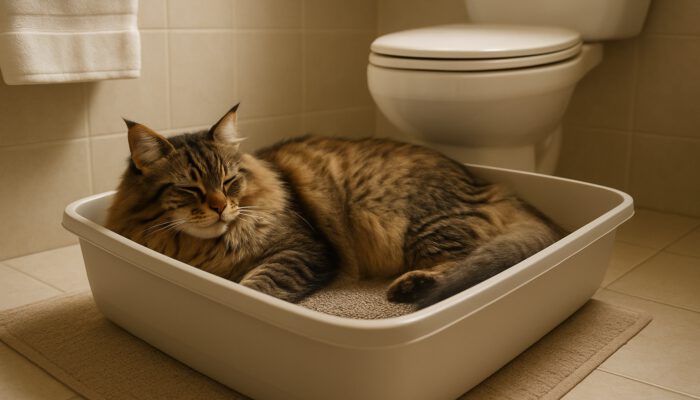
Selecting a litter box that is appropriately sized is vital for your cat’s well-being and promotes consistent usage. A box that is too small may cause stress and lead to avoidance behaviours, particularly in households with multiple pets. Cats require enough space to turn and move freely, which encourages healthier habits over time.
When determining the right litter box, take your cat’s size into account. Larger breeds, such as Maine Coons, need a more generous box to feel secure. A useful guideline is to select a box that is at least one and a half times the length of your cat from nose to tail, providing ample space for movement without restriction.
The height of the litter box is another crucial aspect. Low-sided boxes are ideal for kittens or older cats facing mobility challenges, making it easier for them to enter and exit. This accessibility can significantly reduce the likelihood of accidents around the home and encourage regular use.
Choosing the Right Materials for Maximum Comfort
The material of the litter box plays a significant role in your cat’s comfort and willingness to use it. Common options include plastic, which is lightweight and easy to clean, and more durable alternatives like stainless steel. Each material presents its own advantages and disadvantages, particularly concerning odour control and ease of maintenance.
Plastic boxes are often the most economical and readily available choice, yet they can absorb odours over time. To address this, opt for boxes with high-quality coatings that resist staining. While stainless steel may be pricier, it offers remarkable durability and is less likely to retain odours, contributing to a fresher environment for your cat.
Texture is another important consideration. Cats have distinct preferences regarding surface feel; some may prefer a smooth texture while others lean towards a rougher surface. Testing various materials can help you identify the best option for your feline companion, ensuring a seamless transition without unnecessary stress.
Improving Accessibility for Senior Cats
Incorporating accessible features into a litter box can greatly enhance the experience for senior cats or those with mobility limitations. Low-entry designs make access easier and promote consistent use. This is especially important in homes with multiple pets, where competition for resources can lead to anxiety.
Many litter boxes come equipped with ramps or low sides to assist older cats in navigating them. These features help prevent accidents, as cats are less likely to avoid using the box due to access difficulties. Ensuring your cat can enter and exit the box with ease promotes a positive elimination experience.
Consider boxes with covers that still allow easy access. Some cats prefer a degree of privacy when eliminating, so a box with a lid and a side entry can provide both security and accessibility. Finding this balance can help maintain consistent litter box habits.
Creating a Supportive Training Environment
Finding the Best Locations for the Litter Box
Selecting the right location for the litter box is essential for successful training. Cats are inherently cautious, so placing the box in a quiet, low-traffic area can help them feel secure. This peaceful environment fosters positive associations, increasing the likelihood of regular use.
Look for locations that provide privacy, such as secluded corners or quiet rooms. Avoid placing the box near noisy appliances, like washing machines, or in areas with high foot traffic from other pets. A tranquil setting encourages your cat to relax and focus on their needs, expediting the training process.
Be mindful of the temperature and cleanliness of the selected area. Cats prefer moderate temperatures, so avoid placing the box in draughty or excessively warm spots. Keeping the area clean and inviting further motivates your cat to use the box regularly, reinforcing good habits.
Can Positive Reinforcement Enhance Training Success?
Positive reinforcement is an effective strategy in litter box training. Rewarding your cat with treats and praise immediately after they use the box reinforces the desired behaviour. This immediate feedback assists in establishing lasting habits, making it easier for your cat to understand expectations.
Using treats as rewards can be particularly effective. Choose a favourite snack and offer it right after your cat successfully uses the box. This not only reinforces the behaviour but also cultivates a positive association with the litter box, reducing the chances of accidents elsewhere in the home.
Consistency is vital when implementing positive reinforcement. Ensure all household members are aligned regarding the rewards for your cat. Over time, this method will help your cat develop a reliable routine, minimising the risk of future litter box issues with minimal effort from you.
Maintaining Impeccable Cleanliness Standards
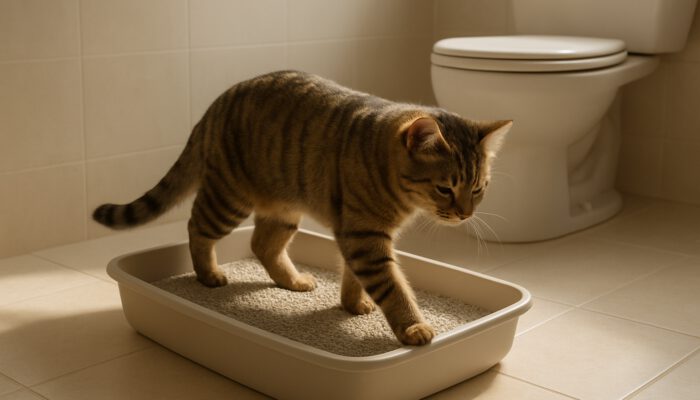
A clean litter box is crucial for encouraging your cat to use it consistently. Regular scooping and complete litter changes help maintain a hygienic environment, making the box more appealing. Cats are naturally clean creatures, and a dirty box can lead to avoidance behaviours and accidents within the home.
Aim to scoop the litter box at least once a day, removing clumps and waste. This practice keeps the box tidy and aids in managing odours. Depending on the type of litter used, a complete change may be necessary every week or two, ensuring your cat always has a fresh space to go.
Consider using high-quality litter that clumps effectively and absorbs odours well. This can simplify maintenance and improve your cat’s overall experience. A clean and pleasant environment encourages your cat to return to the litter box regularly, promoting their health and hygiene.
Tracking Progress and Making Necessary Adjustments
Monitoring Your Cat’s Litter Box Habits
Keeping an eye on your cat’s litter box habits is vital for identifying changes that could indicate health concerns. Tracking how often your cat uses the box can help you catch potential issues early, allowing for timely veterinary consultations if needed.
Consider maintaining a simple log to record usage patterns, noting frequency and any behavioural changes. For example, if your cat suddenly stops using the box or begins eliminating outside of it, this could signal a health issue or stressor requiring attention.
Adjustments to the litter box setup may be necessary based on your observations. If you notice your cat hesitating to use the box, assess factors such as location, cleanliness, or even the type of litter being used. Paying attention to these details will help ensure continued success in your training efforts.
What Are the Benefits of Monitoring Litter Box Usage?
- Identifies health issues early.
- Highlights areas needing adjustments.
- Ensures training remains effective.
- Encourages proactive care for your cat.
Daily logs provide valuable insights into your cat’s habits and preferences. By tracking usage patterns, you can make informed decisions that support your cat’s comfort and well-being. This proactive approach ultimately leads to a smoother training experience.
Providing a Variety of Litter Box Options
Offering multiple litter box options can significantly enhance compliance rates during training. Cats have unique preferences, and allowing them to choose their preferred box can facilitate a smoother transition. This flexibility caters to their individual needs and encourages regular use.
Consider placing different types of litter boxes in various locations. For instance, provide a covered box in one area and an open box in another. This variety enables your cat to explore their preferences without feeling restricted to a single choice.
Monitor which box your cat uses most frequently and adjust accordingly. If they seem to favour one style over another, consider acquiring more boxes that align with their preferences. This strategy enhances their comfort and supports a positive training experience that fosters good habits.
Recognising Long-Term Trends in Usage
Examining your cat’s litter box habits over time can reveal gradual improvements or ongoing issues that need addressing. By observing patterns, you can identify what works best for your cat and make strategic changes to optimise their litter box environment.
Regularly reviewing your logs will help assess overall trends. Are there specific times when your cat uses the box more frequently? Do they show a preference for certain types of litter or box styles? Understanding these trends allows you to tailor the environment to meet their needs effectively.
Consider how changes in your household may influence your cat’s behaviour. New pets, family members, or even alterations in routine can impact their comfort and habits. Staying aware of these factors will help you maintain high standards of feline hygiene and comfort throughout the training process.
Expert Recommendations for Litter Box Training Success
Insights from Experienced Trainers
Seasoned trainers often share valuable lessons about gradually introducing litter boxes. For instance, one trainer discovered that slowly introducing a new box while allowing the cat to explore at their own pace led to quicker adoption. This approach minimises stress and fosters a positive association with the box.
Another trainer highlighted the importance of patience during training. They shared an example where a cat initially resisted using the box but eventually adapted after the owner provided multiple options and consistently rewarded positive behaviour. These real-life experiences illustrate how gradual introductions can lead to successful outcomes.
Implementing these strategies can greatly enhance your training efforts. Learning from experienced professionals helps you apply practical guidance at home, ensuring a smoother transition for your cat and fostering a lasting positive relationship.
Strategies for Overcoming Common Training Challenges
Addressing typical challenges in litter box training requires breaking the process into manageable, achievable steps. If your cat is hesitant to use the box, start by placing them near it during playtime to help them associate the area with positive experiences.
Once your cat shows interest, gradually encourage them to explore the box. Reward them with treats and praise when they display curiosity or step inside. This step-by-step approach builds confidence and reinforces positive behaviour, making it easier for your cat to adapt.
If issues persist, consider altering the type of litter or the box’s location. Cats can be sensitive to changes, and finding the right combination can lead to successful outcomes. By addressing challenges methodically, you can ensure reliable results over successive training sessions.
Expert Insights into Litter Preferences
Understanding how scent and texture impact litter preferences is essential for effective training. Experts advise experimenting with different types of litter to uncover what your cat prefers. Some cats may favour clumping clay, while others might gravitate towards natural options like corn or wheat-based litters.
Scent also plays a significant role in your cat’s choices. Unscented litter is generally the best option, as many cats are sensitive to strong fragrances. Offering a variety of textures can help you determine what your cat finds most comfortable, increasing the likelihood of consistent box usage.
Consider the litter box’s location concerning your cat’s preferences. Some cats may prefer a box in a quieter area, while others might feel more at ease with a more accessible spot. Tailoring the environment to suit their needs can enhance their overall experience and promote good litter box habits.
The Significance of Establishing Routines
Creating Consistent Maintenance Schedules
Establishing a daily routine for litter box maintenance aligns with your cat’s natural instincts. Regular cleaning and refilling times help your cat anticipate when to use it, reducing stress and fostering a predictable environment. This consistency benefits not just your cat but all household members.
Cats thrive on routine, and a regular cleaning schedule can enhance cooperation during training. For instance, if you scoop the box at the same time each day, your cat will begin to associate that time with using the box. This predictability can lead to fewer accidents and a more harmonious living situation.
Incorporating cleaning tasks into your daily routine also strengthens your bond with your cat. By actively participating in their care, you reinforce positive interactions and deepen your relationship. This shared responsibility fosters a sense of security for your cat, increasing their likelihood of adhering to their litter box habits.
Minimising Behavioural Issues
Maintaining a consistent routine in litter box care can significantly reduce behavioural problems. Regular cleaning promptly meets your cat’s elimination needs, decreasing the chances of spraying or avoidance behaviours. This proactive approach leads to a more harmonious living situation overall.
When cats feel secure in their environment, they are less likely to engage in undesirable behaviours. By ensuring the litter box is clean and accessible, you eliminate potential stressors that could lead to conflicts between pets or issues with your cat’s behaviour.
A consistent routine helps build trust between you and your cat. They learn to rely on you for their needs, fostering a positive relationship that contributes to a stable home environment. This bond is crucial for maintaining good behaviour and ensuring a happy, healthy cat.
Creating Opportunities for Bonding
Engaging in shared cleaning tasks fosters valuable bonding opportunities between you and your cat. Regular litter box maintenance allows for positive interactions that strengthen your relationship. These moments of care reinforce training and cultivate a sense of teamwork within your household.
By involving your cat in their care, they become more attuned to your presence and actions. This engagement helps build trust and encourages your cat to feel secure in their environment. As you collaborate to maintain their space, your cat will associate you with positive experiences.
Consistent care enhances your understanding of your cat’s needs and preferences. By observing their behaviour during cleaning, you can identify any changes or preferences that may arise. This attentive approach strengthens your bond and contributes to a successful litter box training experience.
Effective Litter Box Training Strategies
How to Relocate a Litter Box Efficiently
Relocating a litter box can be challenging, but with the right approach, it can be accomplished smoothly. Gradually moving the box over several days allows your cat to adjust without confusion. Start by shifting the box a short distance each day, giving your cat time to acclimatise to the new location.
During this transition, pay close attention to your cat’s behaviour. If they seem hesitant to use the box, consider moving it back slightly before continuing the gradual relocation. This patience ensures that your cat feels comfortable and secure in their new environment, minimising stress.
In certain instances, providing a second box in the new location can ease the transition. This allows your cat the choice of where they feel most at ease while adjusting. Once they consistently use the new box, you can remove the original, ensuring they have fully adapted to the change.
The Benefits of Proven Relocation Techniques
- Higher success rates with gradual adjustments.
- Reduces stress during transitions.
- Encourages exploration of new environments.
- Supports adaptability for various cat personalities.
Utilising trusted strategies enhances your training experience. These methods emphasise patience and observation, leading to better outcomes and a smoother transition for your cat. By being attentive to their needs, you can create a positive litter box environment.
Integrating Layered Training Methods
Layered training methods can enhance the effectiveness of litter box training. Combining scent cues with rewards creates multiple reinforcement layers that accelerate learning. For instance, you might use a specific scent in the litter to signal to your cat that it is their designated area.
Familiar scents can help your cat feel more relaxed in their new environment. Pairing these cues with treats or praise reinforces positive behaviour, making it more likely that your cat will consistently return to the box. This multi-faceted approach accommodates different learning styles.
If initial training attempts falter, these layered techniques provide backup options. You can adjust your approach based on your cat’s responses, ensuring you find the best strategy for their unique personality. This adaptability enhances the overall training experience and fosters lasting habits.
Addressing Stubborn Training Cases
Identifying Underlying Issues
When facing challenging cases in litter box training, identifying underlying causes is crucial. Health assessments can rule out medical issues before implementing behavioural interventions. Conditions such as urinary tract infections or gastrointestinal problems can lead to avoidance behaviours, making it essential to consult a veterinarian.
Once health concerns are addressed, evaluate environmental factors that may contribute to your cat’s reluctance. Stressors such as changes in the household, new pets, or even different litter types can affect their willingness to use the box. Analysing these factors helps pinpoint the root cause of the issue.
Approaching stubborn cases with a comprehensive understanding of potential issues allows you to tailor your training methods effectively. This ensures you’re addressing your cat’s specific needs, leading to better outcomes and a more harmonious living environment.
Implementing Gradual Desensitisation Techniques
Gradual desensitisation is a proven method for overcoming fear responses in cats. Slowly introducing your cat to the litter box while pairing the experience with rewards can transform reluctant participants into willing users. Start by allowing your cat to explore the box without pressure, creating a positive association.
Encourage exploration by placing treats or toys near the box. This helps your cat associate the area with enjoyable experiences, gradually reducing any anxiety they may feel. Once they are comfortable approaching the box, you can begin to encourage them to enter it.
Patience is vital throughout this process. Allow your cat to set the pace as they become more comfortable. Gradually increase their exposure to the box, fostering a sense of security and encouraging your cat to engage willingly with the litter box.
Seeking Professional Assistance
In complex situations where standard techniques prove ineffective, consulting a professional behaviourist can provide customised solutions for litter box training. These experts can assess your cat’s specific situation and offer tailored strategies to effectively address persistent issues.
Behaviourists often employ various techniques, including environmental modifications and behavioural interventions. They may suggest changes to your cat’s routine or propose new training methods that align with your cat’s personality and preferences. This personalised approach can lead to successful resolutions.
Professional guidance can help address any underlying behavioural concerns contributing to litter box avoidance. Collaborating with an expert allows you to implement a comprehensive plan that ensures lasting solutions and enhances your cat’s overall well-being.
Research-Backed Advantages of Litter Box Training for Cats
Real-World Evidence from Research Studies
Research indicates that adhering to structured litter box training protocols can enhance welfare metrics for cats. For instance, a study examining various training methods found that consistent routines and positive reinforcement resulted in a higher success rate in litter box usage among participants.
In another study, cats gradually introduced to new litter types exhibited fewer behavioural problems than those subjected to abrupt changes. These real-world examples underscore the importance of employing evidence-based practices in litter box training, leading to improved outcomes for both cats and their owners.
By following research-supported methods, cat owners can create an environment that promotes comfort and security for their pets. This not only enriches the training experience but also contributes to the overall happiness and well-being of your feline family member.
Practical Steps for Implementation
To implement structured plans based on research findings, start by establishing a consistent cleaning schedule, as studies suggest that regular maintenance significantly boosts usage rates. Aim to scoop the box daily and periodically change the litter to maintain a clean environment.
Incorporate positive reinforcement techniques. Reward your cat with treats and praise right after they use the box to reinforce desired behaviour. This approach has been shown to create lasting habits and minimise the likelihood of accidents.
Lastly, tailor your training methods to your cat’s preferences based on research insights. Experiment with different litter types and box styles to determine what works best for your individual cat. By following these actionable steps, you can enhance your cat’s comfort and your satisfaction as an owner.
Long-Term Outcomes of Structured Training
Long-term outcomes of structured litter box training reveal sustained improvements in hygiene and fewer veterinary visits. Studies indicate that cats trained with consistent methods experience fewer health issues related to improper elimination, leading to better overall well-being.
Cats undergoing structured training display more predictable elimination patterns. This predictability fosters a harmonious environment, especially in multi-pet households, reducing conflicts and enhancing the bond between humans and animals.
By consistently applying these training methods over time, owners can ensure their cats continue to thrive. The long-term benefits of effective litter box training extend beyond hygiene, positively impacting the overall quality of life for both cats and their humans.
Highlighting Physiological Health Benefits
Scientific studies indicate that properly trained litter box habits correlate with decreased cortisol levels in cats. Lower stress levels promote overall physical health and minimise behavioural issues associated with improper elimination. Cats that feel secure in their environment are less likely to exhibit anxiety-related behaviours.
Effective litter box training can lead to significant physiological improvements. For instance, research has shown that cats trained through positive reinforcement exhibit fewer stress-related symptoms, such as aggression or excessive vocalisation. This underscores the importance of fostering a supportive environment for your cat.
By prioritising proper training methods, owners can enhance their cat’s well-being. Providing a clean, accessible, and comfortable litter box fosters a sense of security, promoting better health and reducing the likelihood of behavioural issues.
Observing Behavioural Improvements
Longitudinal data from various cohorts confirms that cats undergoing structured training demonstrate more predictable elimination patterns. Effectively trained cats are less likely to engage in undesirable behaviours, resulting in a more harmonious living environment for all household members.
Trained cats often exhibit improved interactions with their owners and other pets. The reduction of accidents and stress-related behaviours fosters a positive atmosphere, strengthening the bond between humans and their feline companions. These enhancements contribute to a more fulfilling relationship.
By implementing effective litter box training methods, owners can ensure their cats thrive in a supportive environment. The behavioural improvements observed in trained cats emphasise the importance of consistency and attentiveness in cultivating good habits.
Ensuring Long-Term Success in Litter Box Training
Scheduling Regular Health Check-Ups
Regular health assessments are crucial for maintaining long-term success in litter box training. Periodic veterinary check-ups can identify potential issues early, preserving the progress made during training. These proactive measures ensure your cat remains healthy and comfortable in their environment.
During these assessments, discuss any changes in behaviour or litter box usage with your veterinarian. They can provide valuable insights and recommendations to help you address any emerging concerns. This collaborative approach supports ongoing wellness and keeps your cat’s litter box habits on track.
Routine health evaluations reinforce the importance of consistent training. By staying vigilant about your cat’s health, you can make informed decisions that contribute to their overall well-being and ensure that your training efforts continue to yield positive results.
The Advantages of Ongoing Maintenance
- Preserves training achievements over time.
- Identifies health issues early.
- Encourages ongoing wellness and comfort.
- Ensures consistency in litter box habits.
Continuous care and attention to your cat’s needs are vital for maintaining positive behaviours. By conducting regular health reviews and monitoring their habits, you can prevent regression and ensure that your cat stays happy and healthy.
Adjusting to Life Changes
Flexibility is essential when adapting to life changes that may influence your cat’s litter box habits. New family members, pets, or even shifts in routine can affect your cat’s comfort and willingness to use the box. Being proactive and making small adjustments can help sustain good habits.
If a new pet is introduced, consider providing multiple litter boxes to accommodate everyone’s needs. This ensures that your cat feels secure and has access to their designated area. Maintaining a consistent cleaning schedule can help alleviate stress during transitions.
By being attentive to your cat’s behaviour and making necessary adjustments, you can support their ongoing comfort and ensure that their litter box habits remain intact. This adaptability fosters a stable environment that benefits all household members.
Frequently Asked Questions
What is the best type of litter box for my cat?
The ideal type of litter box depends on your cat’s size and preferences. Open boxes are generally preferred by most cats, while some may feel more secure in covered boxes. Ensure the box is spacious enough for your cat to move comfortably.
How often should I clean the litter box?
Aim to scoop the litter box daily and perform a complete litter change every week or two. Regular cleaning helps maintain hygiene and encourages your cat to consistently use the box.
What type of litter is best for training?
Unscented clumping litter is generally the best choice for training. It effectively absorbs odours and is easy to clean. Experimenting with different types can help you find what your cat prefers.
How can I motivate my cat to use the litter box?
Utilise positive reinforcement by rewarding your cat with treats and praise immediately after they use the box. Creating a calm and inviting environment also promotes regular use.
What should I do if my cat refuses to use the litter box?
If your cat refuses to use the litter box, first consult a veterinarian to rule out health issues. Then, assess the box’s location, cleanliness, and type of litter to identify potential stressors.
Can I train an older cat to use the litter box?
Yes, older cats can be trained to use the litter box. Ensure the box is easily accessible and consider low-entry designs to accommodate their mobility needs.
How can I tell if my cat is experiencing a health issue related to litter box use?
Signs of health issues include changes in frequency, straining to urinate or defecate, or avoiding the litter box altogether. Consult a veterinarian if you notice any of these symptoms.
Is it common for cats to be particular about litter?
Yes, many cats are selective about their litter. Preferences can vary based on texture, scent, and material. Experimenting with different types can help you find the right fit for your cat.
How can I help my cat adjust to a new litter box?
Gradually introduce the new litter box by placing it near the old one. Allow your cat to explore it at their own pace, using positive reinforcement to encourage usage.
What if my cat starts to avoid the litter box after moving?
If your cat avoids the litter box after a move, ensure it’s in a quiet, accessible location. Closely monitor their behaviour and consider providing multiple boxes to reduce stress during the transition.
Visit our Facebook page for additional tips!
The Article Litter Box Training for Cats: Essential Tips for Success First Published On https://elgatoencasa.com
The Article Litter Box Training Tips for Successful Cat Care Was Found On https://limitsofstrategy.com
No responses yet