If you live in a rural area around Bellingen, Dorrigo, Coffs Harbour, or Nambucca and are experiencing frequent power outages without an obvious explanation, it’s worth considering an unexpected factor: pests. Ants nesting within your switchboard and rodents gnawing through cable insulation are common sources of electrical issues in this locality. If not addressed, these problems can escalate from minor inconveniences to serious fire hazards.
Essential Insight: Ants and rodents can lead to significant electrical complications, such as persistent circuit tripping, short circuits, corroded terminals, and potential fire dangers. Addressing these concerns requires professional intervention; tampering with a live switchboard poses serious risks, and much of the damage may remain hidden. Engaging a licensed electrician is vital for safely isolating the power supply, diagnosing the issue, repairing it, and conducting thorough testing. Below, we explore the electrical challenges posed by pests and effective prevention strategies.
What Attracts Ants to Nest in Your Switchboard?
Essential Insight: Your switchboard and meter box offer a warm, dry, and secure environment, making them attractive nesting sites for ants. When these pests access live terminals, they create conditions for tracking, corrosion, and shorts.
Certain ant species are particularly drawn to electrical apparatus. Your switchboard, meter box, air-conditioning units, and pool equipment provide ideal nesting environments. Problems emerge when these ants infiltrate these spaces. As they traverse live terminals, their bodies and the dirt they carry can bridge gaps that should remain isolated. This can result in small arcs and tracking across contacts, leading to:
- Frequent tripping: A safety switch (RCD) that regularly trips and resets without any apparent faulty appliance.
- Corrosion: The gradual deterioration of terminals and connections over time.
- Complete shorts: A significant die-off inside the board can cause debris to accumulate across terminals, leading to total shorts.
Why Do Rodents Chew Through Electrical Wiring?
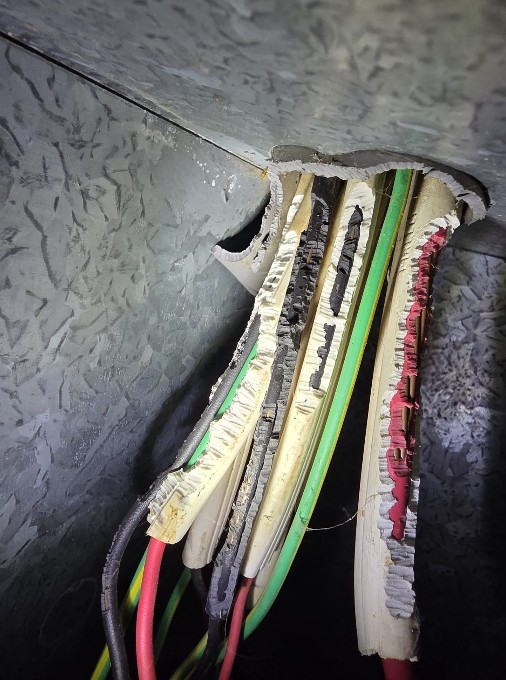
Essential Insight: Rodents continuously gnaw to manage their teeth growth, often targeting cable insulation. Once this insulation is compromised, it exposes copper wiring within walls or ceilings, significantly increasing the risk of shorts and fires.
In rural settings, the problem intensifies. Sheds, roof spaces, and the fringes of bushland provide ample concealment for rodents near your cabling. We have observed conduits entirely chewed through, with nests discovered surrounding the cable runs. This highlights the necessity of sealing and safeguarding cables while managing wiring in sheds and on larger properties, as well as during workshop power installations.
How Can You Identify Warning Signs That Require Immediate Attention?
Essential Insight: Should you observe any of these signs, it is crucial to have your switchboard inspected before the situation escalates into a night-time emergency.
- A safety switch that trips and fails to reset without any apparent faulty appliance.
- Flickering lights or circuits that intermittently fail.
- A burning or acrid odour near the switchboard or power outlets.
- A circuit that has completely lost power.
- Live ants surrounding the meter box or switchboard, or droppings near cabling in the shed or roof space.
Why You Should Seek Professional Assistance for This Issue
Essential Insight: Opening a live switchboard carries considerable risks, and pest-induced damage is often concealed from view. This task necessitates the expertise of a licensed electrician to safely isolate, inspect, repair, and test the entire system.
Pest damage typically occurs within the board, inside the roof void, or along conduit runs where it remains hidden. A licensed electrician will safely isolate the power supply, assess the full extent of the damage, clean and repair affected wiring, and ensure that each circuit and safety switch operates correctly. Simply patching visible damage often ignores underlying issues that remain concealed.

Effective Strategies to Prevent Future Electrical Issues
Essential Insight: Seal entry points, protect exposed cable runs, remove existing nests, and isolate faults at the switchboard. After this, engage a pest controller to target the colony itself.
- Seal entry points: Employ suitable glands and seals on cable entries into boards and conduits to deter access.
- Pest-resistant conduit and fittings: Install these on exposed cable runs, particularly in sheds and roof spaces.
- Switchboard cleaning and inspection: Eliminate existing nests and examine terminals for tracking damage, often necessitating a switchboard upgrade if the unit is outdated or overloaded.
- RCBOs and surge protection: Ensure that a fault on one circuit isolates itself rather than impacting the entire board.
- Maintain vegetation: Keep plants trimmed back from the meter box and external equipment.
Successful pest management requires a collaborative effort among trades. While we focus on the electrical components, we always recommend hiring a pest controller to effectively manage the colony. Sealing the wiring without addressing the nest merely provides a temporary fix.
If you reside on a rural property near Bellingen, Dorrigo, Coffs Harbour, or Nambucca and are dealing with unexplained power tripping, arrange for your switchboard to be inspected before it evolves into an emergency after dark. Schedule an inspection with Damian for your switchboard and wiring, or call 0402 079 803.
Common Questions Regarding Electrical Issues Caused by Pests
Can Ants Inflict Damage on a Switchboard?
Yes, ants thrive in the warm, dry conditions of switchboards and meter boxes. As they navigate live terminals, they can create tracking, corrosion, and shorts. A significant die-off can bridge terminals, leading to the entire board tripping. This is a frequent yet often overlooked cause of unexplained safety switch tripping on rural properties.
Why Does My Safety Switch Keep Tripping Without an Obvious Cause?
A safety switch that cannot remain reset indicates a fault within the circuit. If no faulty appliance is visible, typical hidden culprits include moisture in the board, an ant infestation, or rodent damage to cabling within the roof or walls. This situation necessitates a licensed electrician to trace the problem; ignoring it or repeatedly resetting the switch is inadvisable.
Do Rodents Actually Chew Through Electrical Wires?
Yes, they do. Rodents gnaw incessantly to manage their ever-growing teeth, often targeting cable insulation. When they strip away the insulation from a conductor, bare copper becomes exposed in a roof or wall cavity, posing a risk of short circuits and serious fire hazards when it contacts timber, dust, or insulation materials.
Can I Resolve the Pest Problem Myself?
You can treat the colony with help from a pest controller, which is advisable. Addressing the electrical damage is a distinct task. We seal cable entries, protect exposed runs, and repair any damage caused by gnawing or short circuits, followed by testing the board. Sealing the wiring without treating the nest only delays the problem, so collaboration between both trades is the most effective strategy.
Does Home Insurance Cover Damage Caused by Rodents?
This depends on the specifics of your insurer and policy. Some policies cover sudden damage while excluding gradual pest or vermin damage, so it is essential to review your policy details. Regardless, having a licensed electrician identify, repair, and test the fault provides the necessary documentation for any potential claims.
Original Article First Published At: Ants, Rats and Mice in Your Wiring — Why Mid North Coast Properties Get Electrical Faults
The Article: Electrical Faults in Mid North Coast Properties: Ants, Rats, and Mice first appeared on https://writebuff.com
The Article Electrical Faults: Dealing With Ants, Rats, and Mice in Properties Was Found On https://limitsofstrategy.com
No responses yet