Transform Your Pet Care with Proven Flea Combing Techniques
What are the significant advantages of incorporating flea combing into your pet’s grooming regimen?
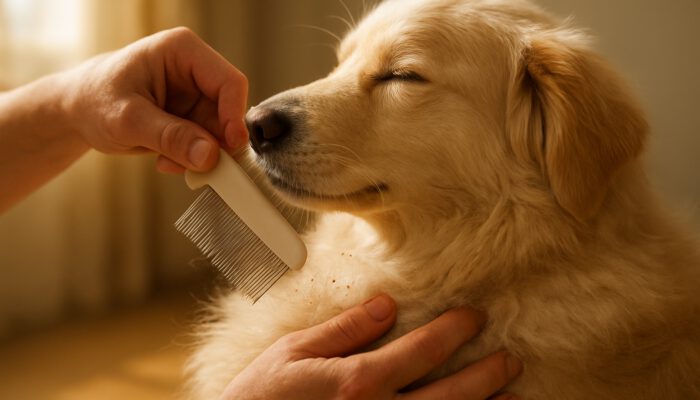
Flea combing for pets is a vital practice that plays a crucial role in ensuring your pet’s hygiene and overall comfort. This technique effectively removes fleas and their eggs from your pet’s fur, allowing for a thorough examination of their skin and coat that aids in the early detection of infestations. This proactive approach not only enhances your pet’s health and happiness but also ensures they feel at ease within their environment, significantly reducing stress for both pet and owner.
The primary benefit of flea combing is that it provides a safe, chemical-free method for managing flea populations, allowing pet owners to assess the condition of their pet’s skin and coat. Regular combing not only improves your furry companion’s comfort but also creates a bonding experience during the grooming process. This routine enables pet owners to identify early signs of skin irritation or other health concerns, making flea combing an essential part of responsible pet ownership.
Essential Tools for Achieving Successful Flea Combing
To establish an effective flea combing routine, it is imperative to have the right tools. The success of your efforts can be significantly enhanced with the appropriate equipment. Essential items include:
- Fine-toothed flea comb: This tool is specifically designed to capture fleas and their eggs while being gentle on your pet’s skin to avoid discomfort.
- Protective gloves: These safeguard your hands while combing and managing fleas effectively.
- Flea disposal container: A small jar or container for safely disposing of captured fleas to prevent re-infestation.
- Pet-safe shampoo or flea solutions: Using these can enhance the combing process and remove fleas more effectively.
- Treats: Rewarding your pet during and after the process fosters positive associations and encourages cooperation.
- A soft brush: This is useful to smooth out the coat before and after combing to maintain its health.
- Calming spray or pheromones: These can help soothe your pet, making the combing experience more enjoyable.
- Bright lighting: Proper lighting ensures visibility to effectively spot fleas and their eggs during combing.
These tools are fundamental to an effective flea combing strategy, facilitating a more efficient and thorough grooming routine. By utilizing high-quality equipment tailored to your pet’s specific needs, you ensure a smoother experience for both you and your furry friend.
How to Establish an Effective Flea Combing Routine for Your Pet
Creating a flea combing routine is a simple process that can easily be integrated into your pet’s overall care regimen. Follow these essential steps to ensure its success:
First, choose an appropriate time and environment for the combing session—ideally when your pet is calm and relaxed. This could be after a leisurely walk or during a quiet evening at home. Ensure that the area is well-lit and free from distractions. Prepare your tools, and comfort your pet with gentle petting or a treat to help build a positive association with the combing experience.
Once your pet is settled, begin combing at the neck and gradually work your way down to the tail. Pay special attention to areas where fleas commonly hide, such as behind the ears and under the legs. After each stroke, check the comb for any fleas or eggs and place them into your removal container. This methodical approach reinforces the habit of regular combing and supports effective long-term pest control.
What common challenges might arise during flea combing?
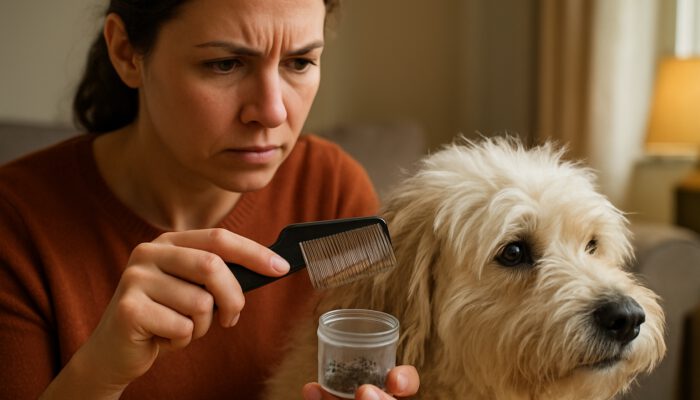
While engaging in flea combing, pet owners may face several common challenges that could hinder the effectiveness of the process. A frequent issue is dealing with persistent flea populations. If your combing sessions reveal a significant number of fleas, it may be necessary to increase the frequency of your combing and investigate your home for potential sources of re-infestation that could be contributing to the problem.
Another concern involves the proper disposal of captured fleas. After each session, ensure that you seal the container tightly before disposing of it, thus reducing the risk of re-infestation in your home. Additionally, if your combing techniques are not yielding satisfactory results, evaluate the angles at which you comb and confirm that you are using the right tool suitable for your pet’s fur type. Regularly assessing your combing routine for possible improvements can enhance the safety and efficacy of your pet care practices.
What benefits do regular flea combing routines provide?
Engaging in regular flea combing routines for pets offers numerous benefits that extend beyond mere pest management. One significant advantage is the reduction of allergy symptoms in pets. By effectively removing fleas and other irritants, you can create a healthier skin environment, alleviating itching and discomfort that can lead to further health issues.
Moreover, consistent combing contributes positively to the overall health of your pet’s coat. It promotes the even distribution of natural oils throughout the fur, enhancing its shine and softness while minimising the likelihood of matting. This grooming ritual also strengthens the bond between you and your pet. Pets often appreciate the focused attention during these sessions, which reinforces trust and connection between the two of you.
Additionally, flea combing acts as an early warning system for potential health concerns. While combing, you can check your pet for signs of skin issues, lumps, or irritations, enabling timely interventions that can prevent more serious conditions from developing. Overall, the benefits of regular flea combing encompass both your pet’s physical health and emotional well-being, solidifying its role as an essential aspect of routine care.
How to Prepare for a Successful Flea Combing Session
How do you gather the necessary supplies for effective flea combing?
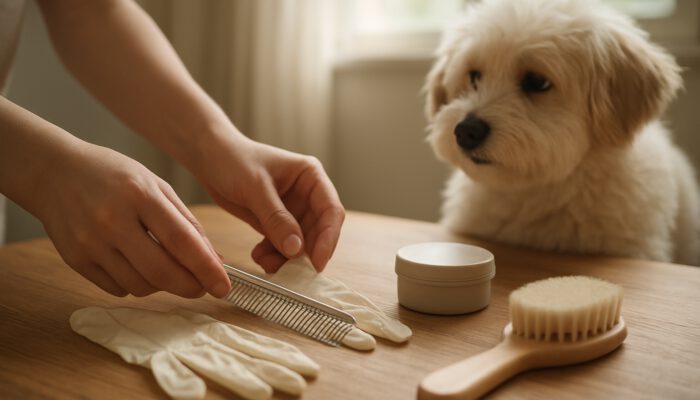
Gathering the necessary supplies for a flea combing routine is crucial for ensuring its effectiveness. Begin by selecting durable tools that are appropriate for your pet’s size and coat type. Look for a fine-toothed flea comb specifically designed for this purpose, as it efficiently captures fleas and their eggs without causing discomfort to your pet.
Next, consider any additional items that could enhance the combing experience. For example, gloves can protect your hands while handling the comb and any captured pests. A small container for disposing of fleas is also essential to prevent re-infestation. If your pet has a particularly dense coat, a soft brush can be useful for detangling before you begin combing, ensuring a smoother experience.
By preparing these supplies in advance, you lay the groundwork for a smooth and successful flea combing session. Consider designating a specific area for your supplies, making them easily accessible whenever it’s time for your routine. This practice promotes consistency in your pet care efforts, making the process efficient and effective.
What challenges might arise during the preparation for flea combing?
During the preparation phase for flea combing, pet owners may encounter various challenges that can hinder the process’s effectiveness. One common issue is pet resistance. Many pets may be hesitant to be handled or restrained, leading to struggles that complicate the establishment of a routine. To address this, focus on building trust and making the combing experience enjoyable and positive.
Start by gradually introducing your pet to the tools. Allow them to sniff the comb and explore the other supplies before starting the actual combing session. Pair this introduction with treats and praise to cultivate a positive association with the combing process. Timing is also crucial; ideally, combing should occur during moments of high relaxation, such as after a lengthy walk or play session when your pet is more likely to be calm and receptive.
Adapting your approach based on your pet’s temperament will facilitate a smoother preparation phase and help you establish a successful routine over time. The goal is to create an environment where your pet feels safe and at ease, ultimately leading to a more effective flea combing experience.
How to create a safe and comfortable environment for flea combing?
Establishing a safe and calm environment is critical for successful flea combing. Start by selecting a location free from distractions, allowing your pet to focus and relax throughout the session. A quiet room or designated grooming space can serve this purpose effectively, promoting a positive experience for both you and your pet.
Minimise noise and movement around your pet to foster a tranquil atmosphere. Playing soft music or using calming pheromones can help soothe anxious pets, making them more receptive to the combing process. Create a comfortable area with a cozy mat or blanket where your pet can sit during the combing routine. This invitation to comfort will help your pet associate the area with positive experiences, making future grooming sessions easier.
By creating a safe environment, you significantly enhance the combing experience for both you and your pet. A calm, focused atmosphere facilitates thorough combing and promotes a stronger bond during the grooming session, leading to a more enjoyable routine for both of you.
What Are the Best Techniques for Effective Flea Combing?
What techniques should be employed for different types of pets?
When it comes to flea combing routines for pets, employing the right techniques is essential for success, particularly since different pets may respond uniquely to grooming methods. For example, dogs with long, thick fur typically require different handling compared to short-haired breeds. Gentle strokes are necessary, regardless of the pet type, to avoid pulling and causing discomfort during the combing process.
For long-haired pets, sectioning the coat can be beneficial. Start from the back of the neck and work your way down, ensuring you comb through small areas at a time to effectively capture fleas and eggs. For short-haired pets, a combination of quick, short strokes and gentle pulls can yield equally effective results. It is crucial to adapt your techniques based on your pet’s individual temperament and fur type to optimise the results and create a stress-free environment.
Additionally, paying attention to your pet’s body language is vital. Look for signs of discomfort or irritation and adjust your technique accordingly. Patience is key, as some pets may take longer to acclimate to the routine. By understanding their individual needs and preferences, you can create a positive grooming experience that enhances their overall well-being and reinforces your bond.
What are the signs that indicate successful flea removal?
Monitoring the indicators of successful flea removal during your flea combing routine is crucial for assessing its effectiveness. One of the most immediate signs is the number of fleas you capture in your comb or container. A noticeable decrease in the number of fleas over several sessions indicates progress and shows that your efforts are paying off.
Furthermore, observe your pet’s behaviour. If they display reduced scratching and restlessness, this may suggest that the flea population is being effectively managed. You might also notice an improvement in their skin condition, with fewer irritations and a greater overall sense of comfort. Conducting regular inspections of your pet’s coat can help refine your combing routine and highlight areas that may still require attention.
Keep an eye out for flea dirt, which appears as small black specks, as its presence may signal lingering fleas that need to be addressed. Consistent monitoring and examination of your pet’s coat will ensure that you address any persistent issues and adapt your routine for comprehensive care, ultimately ensuring your pet’s comfort and health.
What is the recommended frequency for optimal flea combing results?
Determining the appropriate frequency of your flea combing routine is vital for achieving optimal results in flea management. While the specific schedule may vary based on factors such as your pet’s activity level, environment, and susceptibility to fleas, a general guideline suggests combing your pet at least once a week during peak flea season.
For pets prone to flea infestations, particularly during warmer months when fleas are more active, consider increasing the frequency to two or three times a week. If your pet spends significant time outdoors or interacts with other animals, more frequent combing sessions can help control flea populations and prevent infestations.
It is also important to assess your pet’s coat condition. If you observe any signs of fleas during combing, adjust your routine accordingly and increase the frequency until the infestation is under control. Regularly modifying the schedule based on your observations will help you maintain an effective routine tailored to your pet’s needs and environment, ensuring their well-being.
What essential tools and preparations are needed for flea combing?
To maximise the effectiveness of your flea combing routine, selecting the right tools and preparing properly is essential. Begin with a fine-toothed flea comb that is specifically designed to capture and remove fleas and their eggs effectively. Ensure that the comb is made from durable materials for longevity and ease of use.
In addition to the comb, having gloves available will help protect your hands from potential bites or irritants while handling fleas. A container for disposing of captured fleas is also necessary; choose one that can be sealed tightly to prevent any chances of re-infestation in your home.
Preparation extends beyond gathering tools. Before starting the combing process, create a well-lit and comfortable space. This not only makes spotting fleas easier but also ensures your pet feels at ease during the session. Additionally, calming your pet beforehand with gentle petting or treats establishes a positive atmosphere for the grooming session. This comprehensive preparation lays the groundwork for a successful flea combing routine that benefits both you and your pet.
Expert Strategies for Enhanced Flea Combing Routines
What actionable steps can advanced users take to improve their routine?
For those aiming to enhance their flea combing routines for pets, employing advanced techniques can yield impressive results. Start by incorporating a two-step combing process. First, utilise a fine-toothed comb to remove fleas, followed by a wider-toothed comb to detangle the coat. This method not only increases flea removal effectiveness but also maintains the health of your pet’s coat.
Additionally, consider using a flea preventative shampoo prior to combing. This can help eliminate any existing fleas while enhancing the cleaning impact of the combing process. After combing, thoroughly clean your comb by rinsing it with hot water and soap to eliminate any trapped fleas or eggs, preventing cross-contamination during future sessions.
Engaging in detailed record-keeping can further elevate your routine. Track the frequency of combing, the number of fleas removed, and any observations regarding your pet’s coat and skin condition. This data-driven approach allows for informed adjustments to your routine, ultimately leading to improved outcomes in pest control and overall pet health.
Why is consistency important in maintaining flea combing routines?
Consistency is a cornerstone of effective flea combing routines for pets. Regular sessions not only reinforce the habit for both the pet and owner but also significantly enhance the effectiveness of flea removal. When combing becomes a routine, it increases the likelihood of detecting early signs of infestations, allowing for timely action to be taken.
Furthermore, consistent combing can help establish a strong bond between you and your pet. These regular grooming sessions provide an opportunity for interaction, and pets often look forward to them when they are associated with positive experiences, such as treats or affection, which strengthens your relationship.
From a health perspective, the cumulative benefits of regular combing extend beyond flea control. Maintaining a routine allows for continuous monitoring of your pet’s skin and coat condition, enabling you to identify any emerging health issues early on. In this way, consistency in flea combing routines supports both pest management and overall pet well-being, ensuring your furry friend remains healthy and happy.
What common pitfalls should you be cautious of in your flea combing routine?
While striving for effective flea combing routines for pets, several common pitfalls can impede progress. One critical mistake is using improper combing angles. For example, combing against the natural direction of the fur can cause discomfort for your pet and diminish the effectiveness of flea removal, leading to frustration for both parties.
Another frequent error is neglecting thoroughness. Rushing through the combing process or skipping sections of the coat can result in missed fleas and eggs, allowing infestations to persist. It is essential to approach each combing session with patience, ensuring that you methodically cover all areas, especially those prone to flea activity, to achieve the best results.
Lastly, failing to maintain your tools can be detrimental. Ensure your comb remains clean and in good condition to maximise its effectiveness. Regularly inspecting your comb for wear and replacing it as needed will help you avoid setbacks in your routine and bolster your pet’s well-being.
How to choose the right flea comb for optimal results?
Selecting the appropriate flea comb is crucial for optimising flea combing routines for pets. Begin by choosing a fine-toothed comb specifically designed for flea removal. These combs feature closely spaced teeth that effectively capture fleas, flea dirt, and eggs without causing discomfort to your pet, ensuring a more pleasant experience.
Consider the specific needs of your pet when selecting a comb. For instance, pets with thicker or longer fur may benefit from combs with wider handles for better grip while navigating through tangled fur. Furthermore, ensure that the comb is made of durable materials to withstand regular use and maintain its effectiveness over time, providing reliable results.
In addition to selection, proper maintenance of your comb is equally important. After each use, clean the comb thoroughly with hot soapy water to remove any trapped fleas or debris. Regularly inspect the comb for damages or wear, replacing it as needed to maximise efficacy and prevent setbacks in your flea combing routine.
What Are the Health Benefits of Regular Flea Combing?
How does consistent flea combing improve your pet’s health?
Engaging in consistent flea combing routines for pets significantly enhances their overall health and well-being. Primarily, this practice aids in eliminating irritants from the skin and fur, resulting in fewer infections and increased comfort levels for pets. By targeting fleas and their eggs, you lower the risk of flea-borne diseases, which can have serious implications for your pet’s health and happiness.
Moreover, flea combing promotes healthier skin. The removal of flea dirt and allergens contributes to clearer skin, decreasing the likelihood of infections or dermatological concerns. A healthy skin and fur condition also translates to less itching, allowing your pet to enjoy a life free from constant irritation and discomfort.
Furthermore, regular combing stimulates better blood circulation in the skin by activating the hair follicles. This can lead to improved coat quality, resulting in a shinier, healthier appearance. All these factors combined demonstrate how flea combing routines serve as a vital tool for enhancing pet health and ensuring their overall well-being.
What long-term advantages arise from regular flea combing?
The long-term benefits of maintaining consistent flea combing routines for pets extend well beyond immediate pest control. One significant advantage is the reduction in reliance on chemical treatments. By adhering to a diligent combing schedule, pet owners can effectively manage flea populations without resorting to potentially harmful pesticides or treatments that may have adverse effects on their pets.
Moreover, a natural approach to flea management contributes to enhanced pet vitality. Pets free from the discomforts associated with fleas generally exhibit improved energy levels and overall happiness. This holistic method fosters a stronger bond between owners and pets, as regular grooming strengthens interpersonal connections and creates a sense of trust.
As the combing routine becomes an integral part of the pet care regimen, it cultivates a sense of stability and routine for the pet. This familiarity can be comforting, reducing anxiety associated with grooming or other medical procedures. Ultimately, regular flea combing emerges as a cornerstone of long-term pet health, benefiting both the animal and their owner, creating a happier and healthier household.
What potential drawbacks should you be aware of?
- Time commitment: Regular flea combing necessitates a time investment, which may be challenging for busy owners trying to juggle multiple responsibilities.
- Pet resistance: Some pets may initially resist combing, creating difficulties in establishing a consistent routine that works for both pet and owner.
- Seasonal variations: Flea activity can fluctuate seasonally, requiring adjustments in frequency and focus based on environmental conditions.
- Technique learning curve: Owners may need time to refine their combing techniques for optimal outcomes, especially if they are new to the process.
- Ongoing vigilance: Fleas can quickly re-infest, necessitating continual monitoring and effort to maintain a flea-free environment.
- Physical limitations: Owners with injuries or disabilities may find it challenging to maintain regular combing routines, requiring adaptations or assistance.
- Coat condition: Pets with specific coat types may need additional grooming tools or techniques to ensure effective combing.
- Risk of irritation: If not performed with care, combing can cause discomfort or skin irritation to pets, making them resistant to future grooming sessions.
While these challenges exist, the rewards of a well-executed flea combing routine far outweigh the drawbacks, making it a worthwhile investment in your pet’s health and happiness.
Effective Strategies for Flea Combing
What factors contribute to an effective flea combing strategy?
Effective flea combing routines for pets are built upon well-established strategies that cater to individual needs and preferences. One crucial aspect is the consistency of your approach. Regular combing sessions ensure that flea populations are kept in check while promoting a structured routine for both you and your pet, leading to better overall results.
Another component of an effective strategy is thoroughness. This involves not only focusing on areas where fleas are commonly found but also diligently covering all parts of your pet’s body to ensure no pests are missed. Additionally, utilising a two-step combing process—employing both a fine-toothed comb followed by a wider-toothed comb—can enhance your flea removal success and maintain the health of your pet’s coat.
Furthermore, tailoring your strategy based on your observations is key. Adjust your approach depending on your pet’s response to combing, modifying techniques and frequency to suit their comfort levels. Finally, tracking your progress through record-keeping can provide insights into what works best for your pet, allowing you to refine your strategy over time for optimal results.
How to integrate flea combing strategies into your daily life?
Incorporating flea combing routines into your daily life requires simple adjustments to make the process seamless and sustainable. Begin by selecting a consistent time for combing that aligns well with your pet’s daily activities. For example, making it a part of the post-walk routine can help reinforce the habit for both you and your pet.
Incorporate positive reinforcement by using treats or praise during and after combing sessions, thus creating a rewarding experience for your pet. This not only encourages compliance but also strengthens the bond between you and your furry companion, making future sessions more enjoyable.
Flexibility is also key; if your pet is particularly restless one day, it may be beneficial to shorten the session and gradually work your way up to longer combing durations as they become more accustomed to the routine. By integrating these strategies into your daily routine, you can establish a practice that is both effective and enjoyable for your pet, ensuring their comfort and health.
How to measure the success of your flea combing strategy?
To assess the success of your flea combing routine, it’s important to track clear indicators of improvement. Start by documenting the frequency of fleas captured during combing sessions. A decrease in the number of fleas over time signifies that your efforts are yielding positive results and that you are effectively managing flea populations.
Additionally, monitor changes in your pet’s behaviour and coat condition. If your pet shows fewer signs of itching or discomfort, this is a promising indication that your routine is effective. Keeping a grooming log can also be beneficial; record the dates, number of fleas removed, and any observations regarding your pet’s skin and coat health to identify trends.
By consistently measuring these indicators, you can adapt your strategies as necessary to enhance your flea combing routine, ensuring long-term efficacy and contributing to your pet’s overall wellness and happiness.
When Should You Implement Flea Combing for Your Pet?
What signs indicate the need for a flea combing session?
Certain signs can prompt the initiation of a flea combing routine. One of the most apparent indicators is when your pet begins to scratch excessively or displays signs of discomfort. If you notice your pet frequently licking, biting, or rubbing against surfaces, these behaviours can signify an infestation that requires immediate attention.
Additionally, inspecting your pet’s fur for signs of fleas or flea dirt—small black specks—can indicate the necessity for immediate combing. Regular inspections, particularly during peak flea season, can help you catch infestations early. By remaining attentive to these signs, you can ensure timely action and maintain your pet’s health and comfort.
How to adjust your flea combing routine based on seasonal changes?
Seasonal fluctuations can significantly impact the timing and frequency of your flea combing routine. During warmer months, fleas are more active, necessitating heightened vigilance. Pet owners should consider increasing combing sessions to two or three times a week during these times to prevent infestations and protect their pets.
As temperatures cool, flea populations may decline, allowing for a potential reduction in combing frequency. However, it’s essential to remain alert, as indoor environments can still harbour fleas year-round, so regular combing should not be neglected. Adjust your combing schedule according to your local climate conditions and your pet’s lifestyle, ensuring a proactive approach to flea management that prioritises their well-being.
Ultimately, staying adaptable in your routine will help you effectively manage flea populations throughout the seasons, contributing to your pet’s comfort and health in all environments.
When is it time to seek professional assistance for flea problems?
Recognising the limitations of your flea combing routine is crucial for comprehensive pet health management. If you notice persistent scratching despite regular combing or if your pet develops skin irritations or infections, it may be time to seek professional help. Occasionally, flea infestations can escalate, requiring veterinary intervention for effective control and treatment.
Furthermore, if you observe significant hair loss or skin lesions, these signs indicate a need for professional evaluation. Your veterinarian can provide tailored treatment options, such as medicated shampoos or topical treatments, which may be necessary to address more serious cases effectively.
Being aware of these warning signs ensures that you take the necessary steps to safeguard your pet’s health, allowing for prompt and effective management of flea-related issues, thereby promoting their overall well-being.
How to Maintain a Flea-Free Home Environment?
How can you support your flea combing routine at home?
Enhancing your flea combing routine involves creating a supportive home environment. Start by cleaning and vacuuming your living spaces regularly to eliminate potential flea eggs or larvae. Pay special attention to areas where your pet often rests, as these are prime breeding grounds for fleas that can quickly lead to re-infestation.
In addition to cleaning, consider implementing flea preventative measures. Utilising flea collars or treatments recommended by your veterinarian can complement your combing efforts and provide a multi-faceted approach to managing flea populations. Furthermore, wash your pet’s bedding and toys regularly to remove any hidden flea eggs, ensuring a flea-free environment that promotes your pet’s health.
By incorporating these habits into your daily routine, you strengthen the effectiveness of your flea combing efforts, ultimately creating a safer and healthier living space for your pet to enjoy.
What essential follow-up practices should you implement after flea combing?
After completing a flea combing routine, implementing essential follow-up practices helps to sustain the positive effects of your efforts. One critical practice is to dispose of any captured fleas and flea dirt properly. Seal them in a container to prevent re-infestation, and dispose of them immediately to minimise any risks.
Next, consider treating your home with a flea spray or fogger designed for indoor use. This can help eliminate any remaining fleas or eggs in your environment, enhancing the effectiveness of your combing routine and ensuring a safer living space for your pet. Additionally, maintain a consistent cleaning schedule, vacuuming regularly and washing your pet’s bedding to further reduce the risk of re-infestation and enhance your home’s overall hygiene.
These follow-up practices can significantly contribute to long-term flea management, ensuring that your home remains a safe and healthy environment for your pet to thrive in.
How to build a comprehensive flea management plan?
A comprehensive plan for maintaining a flea-free environment combines multiple elements, ensuring that your flea combing routine evolves with your pet’s needs. Start by developing a consistent schedule for combing, cleaning, and treating your home. By designating a specific day each week for combing and aligning it with cleaning routines, you create a proactive approach to flea management that minimises the risk of infestations.
Incorporate periodic evaluations of your routine. Assess how often you encounter fleas, any changes in your pet’s behaviour, or the effectiveness of your current strategies. If you notice an increase in flea activity, be prepared to adjust your routine accordingly, whether that means increasing combing frequency or consulting your veterinarian for additional treatments to maintain your pet’s health.
Finally, staying informed about the best practices for flea control through reputable sources will empower you to make informed decisions regarding your pet’s care. By building a comprehensive plan that integrates all aspects of flea management, you can ensure ongoing protection and comfort for your pet, creating a healthier and happier home environment.
How to monitor for signs of re-infestation effectively?
Regular monitoring is an integral aspect of maintaining a flea-free environment and enhancing the effectiveness of your flea combing routine. Pay close attention to your pet’s behaviour; excessive scratching or licking can indicate the presence of fleas that need to be addressed immediately. Inspect your pet’s coat routinely for signs of fleas or flea dirt, particularly in areas like the belly and under the legs, where fleas often congregate.
In addition to observing your pet, inspect your living environment for any signs of re-infestation. Check for flea eggs or larvae in pet bedding, carpets, and furniture, as these locations are common hotspots for flea activity. If you notice any increase in flea-related symptoms, be ready to take immediate action to address the issue, whether through enhanced combing or seeking professional advice to prevent further problems.
By proactively monitoring, you can quickly respond to any signs of re-infestation, ensuring that your pet remains comfortable and healthy in their environment, while also safeguarding your living space from persistent flea issues.
Common Mistakes to Avoid During Flea Combing
What errors are frequently made during flea combing?
Overlooking thorough checks is one of the most common mistakes made during flea combing routines. Failing to inspect all areas of the body can lead to incomplete removal of fleas and eggs, resulting in ongoing infestations. It’s essential to approach combing systematically, ensuring that every section of your pet’s coat is covered for maximum effectiveness.
Another frequent error is rushing through the combing process. By hurrying, you might miss crucial spots where fleas tend to hide, such as behind the ears and under the legs. Take your time during each session, focusing on methodical strokes for the best chances of success and to provide a more positive experience for your pet.
Additionally, neglecting to clean your combing tools regularly can lead to cross-contamination between sessions. Always wash your comb after each use to prevent reintroducing fleas into your pet’s environment. By avoiding these common pitfalls, you can refine your flea combing routine for improved accuracy and effectiveness, ensuring your pet’s well-being.
How can you correct improper techniques during flea combing?
Correcting improper techniques during flea combing routines is vital for achieving optimal results. If you find that your combing sessions aren’t yielding success, start by reassessing your grip and angle. Ensure that you are holding the comb at a comfortable angle that allows your strokes to follow the direction of your pet’s fur. This technique minimises discomfort while maximising flea removal effectiveness.
If your pet shows signs of discomfort, consider making adjustments to your approach. Employ gentle, short strokes instead of long, firm pulls to prevent pulling on the fur, which can be uncomfortable for your pet. If your pet becomes agitated, take breaks and return to combing after a moment to allow them to relax.
Lastly, seek advice from experienced pet owners or professionals if you’re struggling with specific techniques. Learning from others can enhance your skills and build a more effective routine in the long run, ultimately benefiting your pet’s health and happiness.
What are the long-term consequences of mistakes in flea combing?
Ignoring errors in your flea combing routine can have significant long-term consequences for your pet’s health and comfort. One immediate repercussion is the exacerbation of flea infestations. Incomplete removal of fleas allows populations to grow, resulting in increased discomfort for your pet and potential transmission of diseases that can affect their overall well-being.
Additionally, neglecting proper technique can lead to skin irritation or injury, which can result in secondary infections and further complications down the line. A pet experiencing discomfort may become anxious or agitated, making future grooming sessions even more challenging and stressful.
Ultimately, attentive and careful practices are crucial for fostering a successful routine. By recognising and correcting errors, you can safeguard your pet’s health and ensure a positive grooming experience that strengthens your bond.
FAQs about Effective Flea Combing Practices
How often should I flea comb my pet for best results?
Regularly flea combing your pet should be done at least once a week, increasing to two or three times weekly during peak flea season or if your pet is prone to infestations.
What tools do I need for effective flea combing?
Essential tools include a fine-toothed flea comb, gloves, a flea removal container, and possibly a soft brush for detangling before combing.
Can flea combing eliminate fleas completely?
Flea combing is an effective method for reducing flea populations but may not eliminate them entirely. It should be combined with other preventive measures for best results.
What should I do if my pet resists combing?
To reduce resistance, introduce combing gradually, reward your pet with treats, and choose calm moments for the routine. Patience and positive reinforcement are key to success.
How can I tell if I’ve successfully removed all fleas?
Monitoring your pet for reduced scratching, examining the comb for fleas and eggs, and checking for flea dirt are good indicators of successful flea removal and management.
Are there any risks associated with flea combing?
Potential risks include skin irritation if not done gently and the possibility of spreading fleas if the comb is not cleaned properly between sessions.
How does flea combing benefit my pet’s overall well-being?
Regular flea combing removes pests and irritants, contributes to better skin health, enhances coat condition, and strengthens the bond between you and your pet, improving their quality of life.
Can I use flea combs on all breeds of pets?
Yes, flea combs can be used on all breeds, but the technique may vary based on fur type and length. Adjust your approach accordingly for best results and comfort.
What should I do if I find fleas in my home environment?
If you discover fleas in your home, increase the frequency of cleaning, vacuum often, use flea treatments for your home, and consult a veterinarian for additional control measures.
Is there a best time of year for flea combing?
Flea activity tends to peak during warmer months, making it essential to be vigilant and increase combing frequency during these times for effective management and prevention.
Connect with Us on Facebook for More Tips!
The Article Flea Combing Routines for Pets: Essential Tips for Pet Owners First Published On https://elgatoencasa.com
The Article Flea Combing Routines: Essential Tips for Your Pets Was Found On https://limitsofstrategy.com
No responses yet