Gather Essential Ingredients for Crafting the Perfect Lasagna
What Types of Pasta Sheets Are Best for a Flavorful Lasagna?
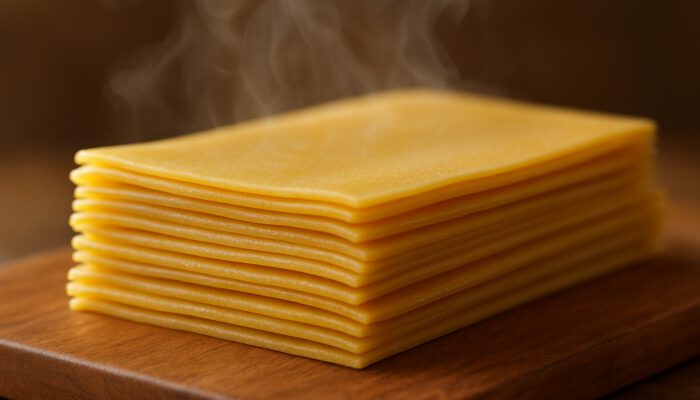

To create a mouthwatering lasagna, it is imperative to choose the right pasta sheets, as they play a vital role in achieving the perfect texture and flavour profile. Opt for high-quality flat pasta sheets, ideally made from semolina flour, which significantly enhances the taste of your dish while ensuring its structural integrity. When possible, fresh pasta sheets are highly recommended, offering an unparalleled mouthfeel and effectively absorbing sauce, which prevents a soggy base. Thicker sheets provide a solid foundation, while thinner varieties introduce a delicate layer that beautifully complements your fillings. Always ensure uniform thickness across your pasta sheets to avoid sections that may overcook or remain underdone.
Choosing the right thickness can make a significant difference in your cooking process and the overall taste experience of your lasagna. The ideal pasta sheets should strike a balance between being robust enough to hold the layers together yet thin enough to allow for a harmonious blend of flavours, creating a delightful culinary masterpiece.
Essential Cheeses and Meats to Enhance Your Lasagna’s Flavor
A well-crafted lasagna is defined by a delightful combination of cheeses and meats that elevate its overall appeal and character. Key cheese selections include ricotta for its creamy texture, mozzarella for its stretchy consistency and mild flavour, and Parmesan for a sharp, finishing touch that rounds out the dish. When it comes to meats, ground beef is a classic choice, adding a hearty depth, but alternatives such as ground pork or Italian sausage can introduce a range of exciting flavour nuances that are sure to surprise and delight your taste buds.
To further elevate the flavour profile of these ingredients, consider incorporating the following seasonings:
- Salt
- Pepper
- Oregano
- Thyme
- Garlic powder
- Red pepper flakes
- Fresh basil
- Parsley
Striking a balance among these flavours is essential in creating a rich, layered dish that pleases the palate, making every bite a delightful experience. Ensuring your lasagna is a crowd-pleaser hinges on the thoughtful selection and combination of these flavourful components, resulting in a dish that everyone will cherish.
Incorporating Vegetables and Herbs for a Flavor Boost
Incorporating vegetables and herbs into your lasagna not only enhances its nutritional value but also establishes a robust flavour base that is both satisfying and wholesome. Fresh ingredients like ripe tomatoes, spinach, and zucchini add vibrant colour and interesting texture to your dish. Meanwhile, herbs such as basil, oregano, and parsley contribute aromatic depth, elevating the overall profile of the meal. Tomatoes, whether layered within the sauce or as part of the filling, provide acidity that cuts through the richness of the cheese and meat, while spinach lends a mild earthiness, and zucchini introduces a subtle crunch. By ensuring a diverse assortment of these components, your lasagna will not only be visually appealing but also possess a well-rounded, aromatic quality that enhances the entire meal experience.
How to Assemble Layers for a Flawless Lasagna?
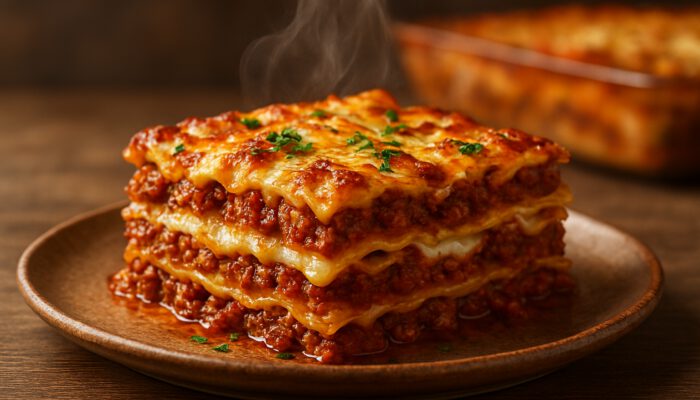
Techniques for Evenly Spreading Sauce for Optimal Flavor
Achieving a perfectly baked lasagna begins with the correct technique for spreading your sauce. Start by applying a thin base layer of sauce in your baking dish; this prevents sticking and establishes a moist foundation for the layers above. Use a spatula to carefully spread the sauce, ensuring it covers the entire base without overwhelming it. This initial layer is crucial for moisture distribution throughout the lasagna, allowing the pasta to absorb just the right amount of sauce without becoming overly soggy. As you build upwards, maintain consistency in your sauce application, ensuring each layer receives adequate coverage for balanced cooking and flavour integration, guaranteeing a satisfying end result.
What is the Correct Order for Layering Components in Lasagna?
The sequence in which you layer your lasagna components significantly impacts the final result. Begin with a layer of sauce, then a sheet of pasta, followed by layers of ricotta, mozzarella, and your chosen meats or vegetables. This systematic approach creates distinct layers, allowing each ingredient to shine while ensuring a cohesive bake. Proper sequencing is essential; for instance, placing the cheese atop the meat helps lock in moisture, while the pasta provides the necessary structure. By methodically layering, you will create a tender yet structured dish that holds together beautifully upon serving, with each mouthful revealing the harmonious blend of flavours and textures that make lasagna so beloved.
How to Avoid Common Assembly Mistakes When Making Lasagna?
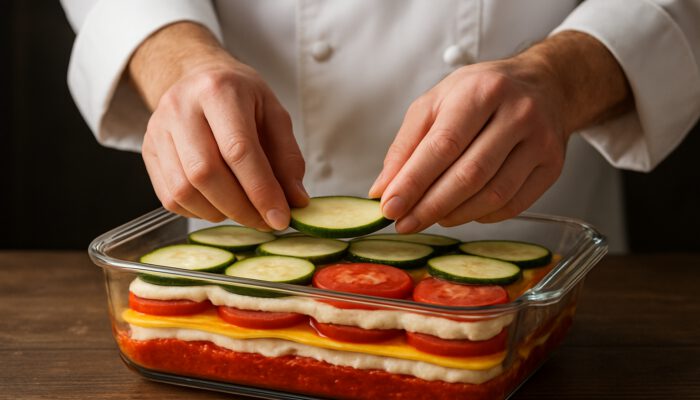
Monitoring portion sizes during assembly is essential for preventing common pitfalls in lasagna preparation. Overloading your layers can lead to overflow during baking, compromising the dish’s integrity and overall presentation. To maintain a polished final product, ensure each layer is not excessively thick, allowing for even cooking and flavour fusion. Additionally, pay attention to the edges of your lasagna; sealing them properly is crucial for preventing leakage. Use the back of a spoon or spatula to lightly press down on the edges of each layer, ensuring they adhere well. This attention to detail will yield a visually appealing and deliciously cohesive dish that is sure to impress everyone around the table.
Choosing the Ideal Thickness for Each Layer of Lasagna
The thickness of each layer in your lasagna is critical for ensuring even cooking and harmonious flavour fusion. Aim for layers that are neither too thick nor too thin; optimal thickness allows for adequate heat penetration while ensuring that flavours meld beautifully. If layers are too thick, you risk having undercooked centres, while overly thin layers may compromise structural integrity and flavour. A general guideline is to keep pasta sheets at approximately 2-3mm thick and fillings to a similar thickness, promoting uniformity throughout the dish. This careful balance enhances the overall dining experience, resulting in a well-rounded and satisfying lasagna that delights the palate.
How to Secure the Edges During Assembly for a Neat Finish?
Securing the edges of your lasagna during assembly is a vital step towards achieving a neat, well-structured dish. Focus on sealing the edges properly to prevent leakage and maintain shape; this detail not only enhances presentation but also ensures even baking throughout. When layering, gently press the edges of the pasta sheets into the sauce to create a seal that holds the layers together. This approach prevents moisture from escaping and promotes a beautifully cohesive bake. By paying attention to the edges, you enhance the overall visual appeal and texture of your lasagna, resulting in a dish that is as delightful to look at as it is to eat.
Expert Tips for Crafting the Ultimate Lasagna from Scratch
Advanced Techniques for Preparing Your Lasagna Dough
While many opt for pre-made pasta, making your own dough offers unrivalled results in texture and flavour. Begin by mixing flour, eggs, and a pinch of salt, kneading the mixture until it achieves a smooth, elastic consistency. Allowing the dough to rest is equally important, as it gives the gluten time to relax, making it easier to roll out. For the best texture, aim for a thickness of around 1-2mm when rolling out the dough. Furthermore, real-world examples suggest that adjusting moisture levels can impact elasticity; if your dough feels too dry, adding a touch of water can help. Expertly prepared dough elevates your lasagna, imparting an artisanal touch that transforms the overall dining experience into something truly special.
How to Optimize Ingredient Ratios for Perfect Flavor Balance?
Achieving a harmonious balance in your lasagna relies on optimising ingredient ratios. Use a straightforward approach by focusing on the primary components: pasta, sauce, cheese, and fillings. A classic ratio might consist of three layers of pasta, two generous layers of sauce, and a well-balanced cheese filling. This method ensures that no single component overshadows another, leading to a well-rounded dish. As you experiment, consider blending different meats or vegetables to uncover unique flavour profiles that can elevate your lasagna to new heights. Striking the right balance is essential; too much cheese can overwhelm, while too little sauce can lead to dryness. Fine-tuning these ratios will help create a lasagna that consistently delights and impresses.
How to Fine-Tune the Resting Process for Enhanced Flavor?
Allowing your lasagna to rest before baking is an often-overlooked step that significantly enhances the melding of flavours. Letting the assembled dish sit for at least 30 minutes allows the layers to integrate fully, ensuring a cohesive taste experience that is utterly satisfying. Cover the dish with foil or a clean cloth to prevent drying out. This technique enables moisture to redistribute evenly, resulting in a more tender outcome. For optimal flavour development, consider resting the lasagna in a cool area, which can amplify richness while preventing excess moisture. By placing emphasis on this resting process, you set the stage for a truly delightful dining experience that your guests will appreciate.
Research-Backed Advantages of Making the Ultimate Lasagna from Scratch
How Does Homemade Sauce Significantly Enhance the Dish?
Homemade sauce is a cornerstone of great lasagna, boosting both flavour and nutritional value. By utilising fresh ingredients, you enhance the dish’s health benefits, as homemade sauces typically contain fewer preservatives and added sugars compared to store-bought alternatives. Research indicates that this freshness improves digestibility and flavour profiles, making meals more enjoyable and satisfying. Additionally, crafting your sauce gives you complete control over seasoning levels, allowing you to adjust flavours according to your personal taste preferences. The result is a lasagna that not only tastes superior but also feels healthier, delivering satisfaction with every mouthful.
What Are the Advantages of Using Fresh Ingredients Over Store-Bought Options?
Utilising fresh ingredients in your lasagna provides numerous advantages compared to using store-bought ones. Fresh components significantly reduce the presence of preservatives, leading to healthier outcomes that are better for you and your family. Studies have shown that meals made with fresh produce retain superior flavour, providing a genuine experience that enhances overall satisfaction. Some key health benefits include:
- Lower sodium content
- Fewer artificial additives
- Increased vitamins and minerals
- Improved flavour retention
- Greater control over ingredients
- Enhanced texture and freshness
- Personalised flavour profiles
- Greater satisfaction from home cooking
By prioritising fresh ingredients, you not only elevate your lasagna but also contribute to a healthier lifestyle, enhancing your overall culinary experience and the enjoyment of your meals.
What Are the Long-Term Benefits of Mastering the Recipe for Lasagna?
Mastering the art of making lasagna from scratch yields numerous long-term rewards that enhance your cooking journey. Consistent practice enhances efficiency and allows you to tailor the recipe to suit your unique tastes. As you refine your skills, you will find that the process becomes quicker and more intuitive, enabling you to whip up a delicious lasagna on a whim. Evidence suggests that frequently preparing this dish fosters culinary skills that translate to increased versatility in the kitchen. Over time, you will build a repertoire of techniques and flavour combinations that enhance your overall cooking prowess, culminating in a satisfying mastery of this beloved dish that you can share with others.
What Are the Best Tips for Perfectly Baking Your Lasagna?
How to Monitor Oven Temperatures Accurately for Optimal Baking?
Accurate oven temperature is vital for achieving a perfectly baked lasagna. Use a reliable thermometer to monitor heat levels, ensuring even cooking throughout the dish. Ideally, your oven should be preheated to approximately 180°C (350°F) for optimal results; this temperature allows for a golden crust while keeping the insides moist and delicious. Be cautious of hot spots in your oven that could lead to uneven cooking. A simple solution is to rotate the lasagna halfway through baking to ensure an evenly baked product. By maintaining precise temperature control, you set the stage for a deliciously satisfying final result that everyone will love and appreciate.
How to Properly Test for Doneness of Your Lasagna?
Determining the doneness of your lasagna is essential for preserving texture and flavour integrity. A reliable method involves inserting a knife or skewer into the centre; if it slides through effortlessly and the cheese is bubbly and golden, your dish is ready for serving. Avoid over-baking, as this can dry out the layers and compromise the overall eating experience. Additionally, examine the edges; they should be crisp and slightly browned, indicating proper cooking. This technique ensures that every layer is cooked to perfection, providing a delightful balance of flavours and textures that will impress your guests upon serving.
How to Adjust for Different Bakeware Options When Baking Lasagna?
Selecting the right bakeware can dramatically affect the outcome of your lasagna. Pans made from materials such as ceramic or glass promote even heat distribution, which is crucial for consistent results. If using metal pans, opt for those with a heavy gauge that retains heat well. Each material behaves differently; for instance, ceramic retains heat longer, while glass allows for easy monitoring of browning. Experimenting with various bakeware options can help you adapt to different kitchen setups, leading to enhanced results tailored to your preferences. Understanding how bakeware impacts the baking process can elevate your lasagna to new heights, ensuring a delightful dining experience that leaves a lasting impression.
Effective Strategies for Storing and Reheating Your Lasagna
Why Does Proper Cooling Matter After Baking Your Lasagna?
Allowing your lasagna to cool properly after baking is essential for setting its structure and retaining moisture. Cooling for about 15-20 minutes allows the layers to firm up, making portions easier to handle and store effectively. If you cut into a lasagna immediately after baking, it may lose its shape and become messy, leading to a less appealing presentation. Additionally, proper cooling helps to prevent bacterial growth if you plan to store leftovers. By taking the time to let your dish cool properly, you ensure a delightful dining experience that preserves the integrity of your hard work and culinary skills, making every serving enjoyable.
What Are the Best Methods for Safe Refrigeration Techniques for Leftover Lasagna?
To keep your lasagna fresh for later enjoyment, it is essential to utilise safe refrigeration techniques. After cooling, transfer leftovers to airtight containers or wrap them tightly with plastic wrap or foil. This prevents exposure to air, which can lead to moisture loss and spoilage. Proper sealing not only extends shelf life but also preserves the dish’s original taste and texture, ensuring it remains just as delicious as when it was first served. It is recommended to consume refrigerated lasagna within 3-4 days for the best quality. By adopting these safe refrigeration methods, you can ensure that your delicious creation remains enjoyable for future meals, allowing you to savour every bite.
Reheating Strategies for Optimal Results with Your Lasagna
When reheating lasagna, aim for strategies that restore warmth without compromising the integrity of the layers. Use low oven heat to warm the dish, ensuring even heat distribution. Cover with foil to trap moisture and prevent drying out, which helps maintain the dish’s original texture. Alternatively, reheating individual portions in the microwave can also be effective; add a splash of water before covering to create steam and enhance moisture retention. By employing these reheating strategies, you can enjoy a fresh-tasting revival of your lasagna each time, making it taste as good as when it was first made, and ensuring satisfaction with every mouthful.
How to Freeze Your Lasagna for Extended Storage?
Freezing your lasagna is an excellent way to extend its shelf life, allowing you to enjoy it for up to 3 months. To freeze effectively, use airtight containers or freezer bags to prevent freezer burn and retain flavours. It’s important to label your containers with dates for easy tracking and ensure even freezing to maintain texture. If you plan to freeze a whole lasagna, consider cutting it into portions before freezing, making it easier to defrost and reheat later on. Proper freezing techniques can help you preserve the delightful taste of your dish while providing convenience for future meals, allowing for easy enjoyment anytime.
What Are the Safe Thawing Methods for Frozen Lasagna?
Thawing your frozen lasagna safely is critical to avoid bacterial growth and ensure food safety. The best method is to place the dish in the refrigerator overnight, allowing it to thaw gradually at a safe temperature. Avoid using room temperature for quick thawing, as this increases the risk of contamination. Once thawed, inspect the lasagna for quality before reheating to ensure it still meets your standards. By following safe thawing methods, you preserve the dish’s original taste and consistency, allowing you to enjoy your homemade creation as if it were freshly baked, making every meal a delight.
Frequently Asked Questions About Lasagna
What Type of Cheese Is Best for Making Lasagna?
The best cheeses for lasagna include ricotta for its creaminess, mozzarella for its stretchiness, and Parmesan for a sharp finish. Combining these cheeses creates a layered effect that enhances both flavour and texture in your dish, making it truly unforgettable and utterly delicious.
Can I Use No-Boil Lasagna Noodles for Convenience?
Yes, no-boil lasagna noodles are a convenient option that can save time and effort in the kitchen. They absorb moisture during baking, but make sure your sauce is sufficiently moist to prevent dryness in the final dish. This ensures a delicious and satisfying outcome that everyone will enjoy.
How Can I Make My Lasagna Spicier for Extra Flavor?
To add spice, incorporate red pepper flakes or fresh chillies into your meat sauce or cheese mixture. Experimenting with spicy sausage can also enhance the heat, transforming your lasagna into a deliciously fiery experience that tantalizes your taste buds and keeps everyone coming back for more.
How Do I Prevent Lasagna from Becoming Soggy During Cooking?
Prevent sogginess by using a thicker sauce and avoiding overloading layers. Ensure the pasta sheets are uniform in thickness and follow proper cooking times to achieve the best results. This careful attention will help maintain the perfect texture throughout the dish, ensuring that every bite is as delightful as the last.
Can I Make Lasagna Ahead of Time for Convenience?
Absolutely! Assembling your lasagna ahead of time allows the flavours to meld beautifully. Store it in the refrigerator for a day or freeze it for longer preservation, ensuring you can enjoy it whenever you like without compromising quality or taste.
What Is the Best Way to Reheat Leftover Lasagna for Fresh Taste?
Reheat leftover lasagna in the oven at a low temperature, covered with foil, to keep it moist and delicious. Microwaving individual portions with a splash of water also works well to restore moisture and flavour, making each bite just as enjoyable as when it was freshly prepared.
How Long Can I Store Homemade Lasagna in the Fridge Safely?
Homemade lasagna can be stored in the fridge for 3-4 days. Ensure it is in an airtight container to maintain its freshness and quality so you can enjoy it later without any loss of flavour or texture, allowing you to savour every delicious bite.
Can I Freeze Lasagna After Baking for Future Use?
Yes, you can freeze baked lasagna. Allow it to cool completely, then wrap it tightly in foil or store it in an airtight container before placing it in the freezer for future enjoyment. This way, you always have a delicious meal ready to go when the craving strikes.
What Vegetables Can I Add to My Lasagna for Extra Nutrition?
Consider adding vegetables such as spinach, zucchini, mushrooms, or bell peppers. These not only contribute flavour but also significantly enhance the nutritional value of your lasagna, making it a more wholesome and satisfying meal for everyone.
Is It Better to Bake Lasagna Covered or Uncovered for the Best Results?
Bake lasagna covered for most of the cooking time to retain moisture, then uncover for the last 10-15 minutes to allow the top to brown and achieve a crispy finish. This technique creates the ideal texture that everyone loves and enjoys, ensuring a beautiful presentation.
Connect with us on Facebook for More Culinary Tips!
The post How to Make the Ultimate Lasagna from Scratch appeared first on https://cookinggods.com
The Article Ultimate Lasagna Recipe: Make It from Scratch Today Was Found On https://limitsofstrategy.com
No responses yet